The commercial cleaning industry is experiencing a major transformation, making 2025 a turning point for cleaning contractors and the businesses that depend on them. As organizations adapt to new challenges in hygiene, sustainability, and efficiency, the right cleaning contractors are more critical than ever.
This comprehensive guide explains how to hire, manage, and get the most value from cleaning contractors in 2025. You will discover key industry trends, what to look for when choosing a partner, the impact of technology, compliance essentials, cost factors, and strategies for building strong, productive partnerships.
Prepare to navigate new expectations, seize emerging opportunities, and ensure your business achieves outstanding results with cleaning contractors.
The Evolving Role of Cleaning Contractors in 2025
The landscape for cleaning contractors is transforming rapidly as we approach 2025. Businesses now expect more than just routine cleaning; they demand specialized expertise, sustainability, and measurable value. Understanding these shifts is key for companies looking to partner with the right cleaning contractors and ensure their facilities meet the highest standards.
Industry Trends and Market Growth
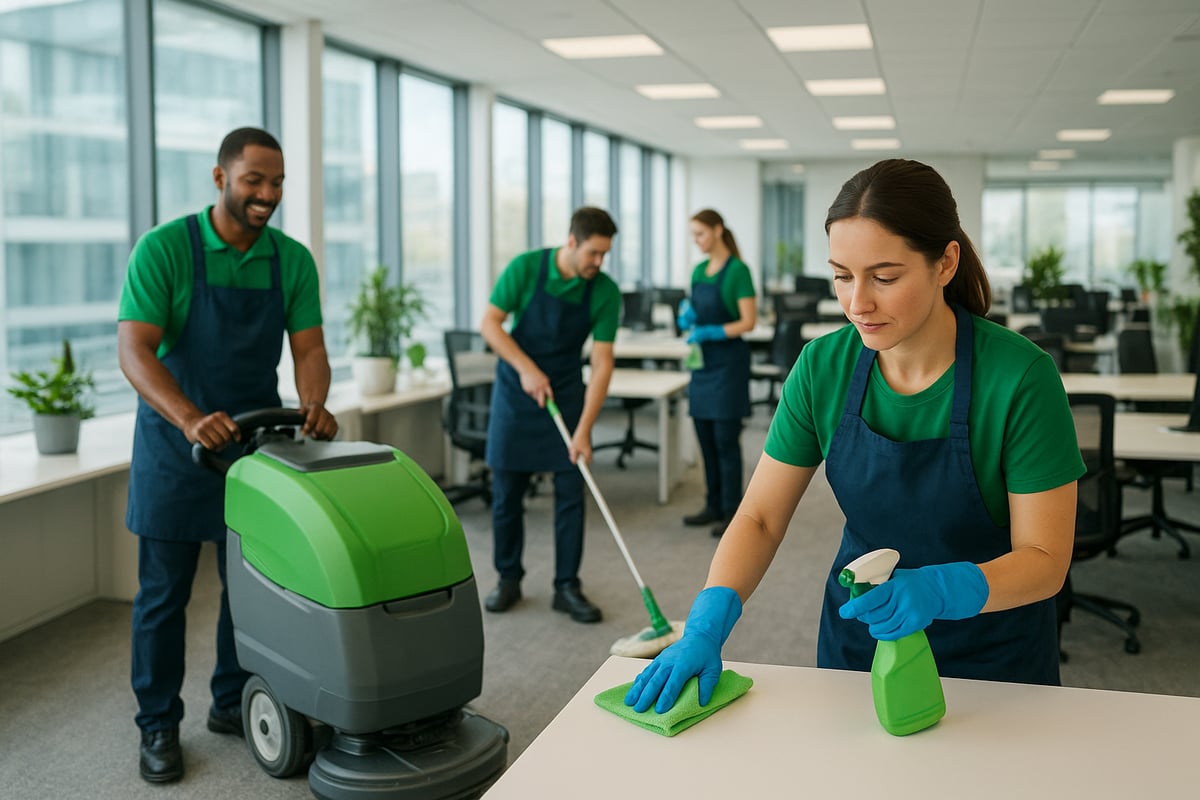
Commercial cleaning contractors are experiencing a surge in demand as businesses prioritize health and cleanliness post-pandemic. According to recent 2025 Commercial Cleaning Industry Insights, the market is set to grow significantly, with specialized cleaning for sectors like healthcare, education, and hospitality leading the way.
Sustainability is now a central focus. Many cleaning contractors are adopting green cleaning solutions, reducing waste, and using eco-friendly products to align with client values. Service offerings are expanding, with contractors providing not just basic cleaning but also full facilities management. This includes maintenance of common areas, waste management, and hygiene services.
Hybrid workspaces are also reshaping the industry. Businesses require flexible contracts to accommodate fluctuating occupancy, leading cleaning contractors to offer on-demand and scalable services. Integration of technology, such as automated scheduling and IoT-enabled equipment, is making operations more efficient and transparent. These trends shape the expectations and capabilities of cleaning contractors in 2025.
New Expectations from Businesses
Today’s businesses expect much more from their cleaning contractors than ever before. Transparency in processes, flexible service models, and measurable outcomes are now the norm. Clients increasingly request proof of disinfection protocols, especially in high-traffic environments such as offices and schools.
Health and safety compliance is a top priority. Cleaning contractors must demonstrate rigorous staff training and adherence to regulations. Many organizations require contractors to integrate with building management systems, allowing seamless coordination of cleaning schedules and facility operations.
There’s also a rising demand for 24/7 availability and rapid response to incidents. Clients want cleaning contractors that can adjust quickly to unexpected needs, ensuring minimal disruption to daily operations. By meeting these new expectations, cleaning contractors can build long-term, trusted partnerships with commercial clients.
How to Select the Right Cleaning Contractor
Choosing the right cleaning contractors is crucial for maintaining a safe, healthy, and productive workspace. An effective selection process helps businesses ensure quality results, compliance, and value for money. Here is a step-by-step approach to guide your decision.
Defining Your Cleaning Needs
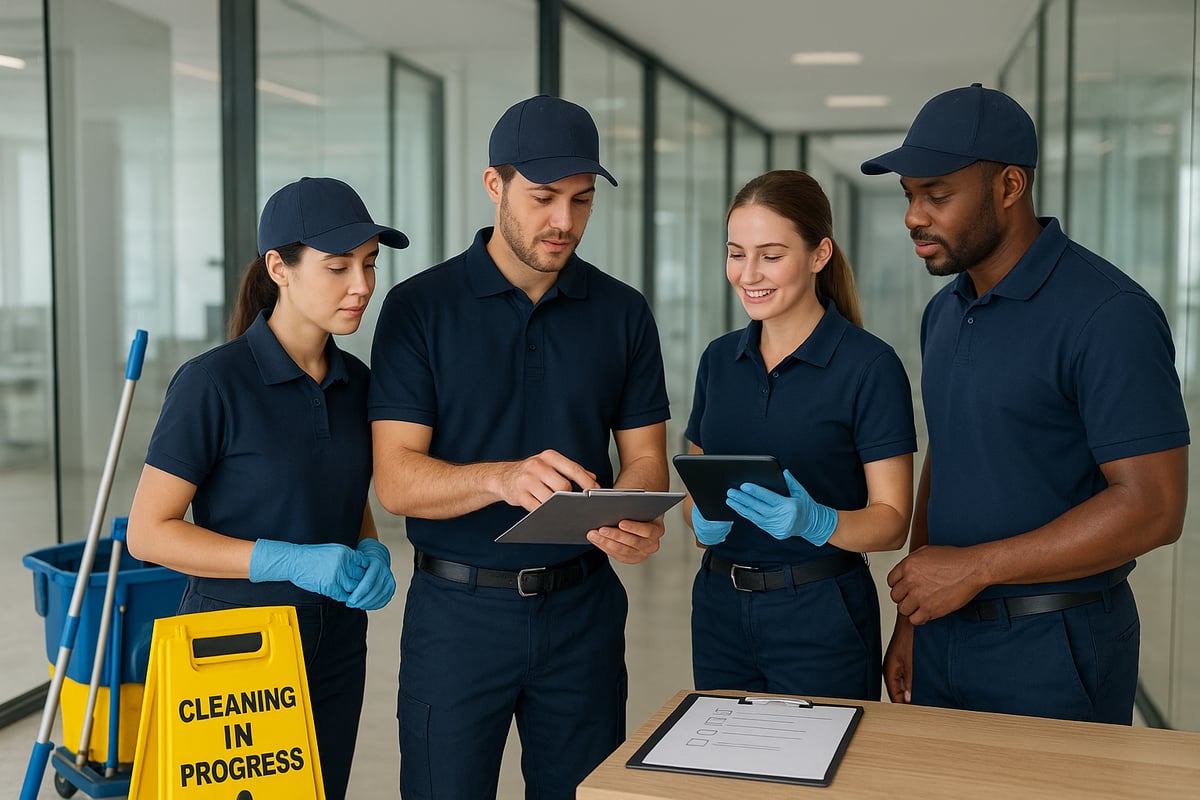
Start by clearly identifying what your business requires from cleaning contractors. Consider the type of environment—office, industrial, educational, or healthcare—as each has unique standards and regulations.
Next, determine how often cleaning is needed. Some businesses prefer daily cleaning, while others opt for weekly or after-hours services. If your company operates across multiple locations, you may need tailored schedules for each site.
Specialized needs are another key factor. For example, you might require deep carpet cleaning, window washing, or disinfection services. A multi-site business may need contractors who can adapt to varying schedules and service requirements, ensuring consistent results at every location.
Evaluating Contractor Credentials
Once you have defined your needs, evaluate the credentials of potential cleaning contractors. Look for certifications such as ISO or Safe Contractor, which demonstrate adherence to industry standards. Verify that contractors carry adequate insurance and have all necessary accreditations.
Staff training is vital. Well-trained teams are more likely to deliver reliable and safe services. Check for evidence of ongoing staff development and up-to-date health and safety training.
Review the contractor’s track record by reading client testimonials and requesting references. If possible, conduct site visits to see their work firsthand. According to recent surveys, over 70% of businesses prioritize certified cleaning contractors when making their choice.
Comparing Proposals and Pricing
When reviewing proposals from cleaning contractors, transparency is essential. Seek itemized lists of services, clear descriptions of what is included, and flexibility to adjust as needs change.
Understand the different pricing models: some contractors charge per hour, others by square foot, or on a contract basis. Always clarify what is included to avoid hidden fees. Comparing two contractors’ quotes side by side can reveal important differences in value and clarity. For a comprehensive overview of what to expect from reputable providers, visit the Commercial cleaning contractors overview.
A simple comparison table can help:
| Contractor | Services Included | Pricing Model | Flexibility | References Provided |
|---|---|---|---|---|
| Contractor A | Detailed | Per Hour | High | Yes |
| Contractor B | Basic | By Contract | Medium | Yes |
Thoroughly assessing each proposal will help you choose cleaning contractors who deliver both quality and value.
Compliance, Health & Safety, and Legal Considerations
Staying compliant is critical for cleaning contractors in 2025. With increased scrutiny from clients and regulators, businesses must ensure their contractors meet all legal, health, and safety obligations. Failing to do so can lead to operational disruptions, fines, or reputational damage.
Regulatory Requirements in 2025
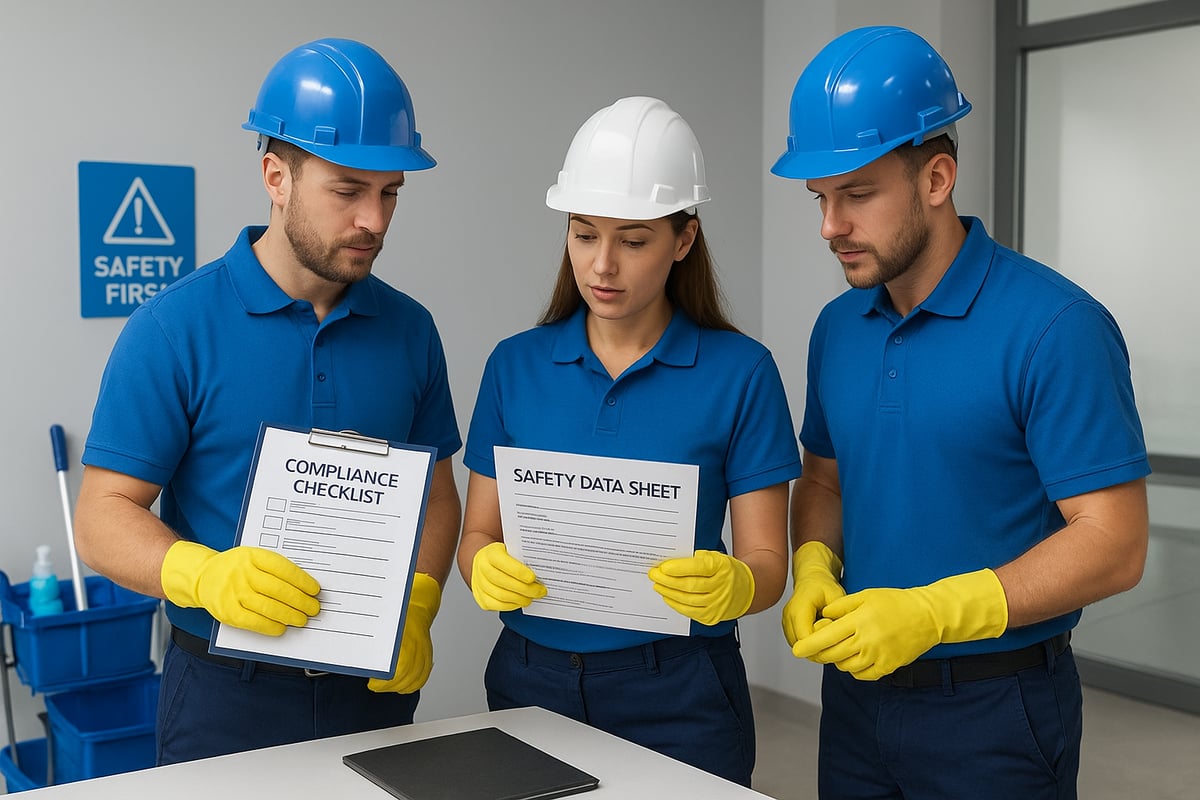
Commercial cleaning contractors face a complex landscape of regulations in 2025. Core requirements include the Control of Substances Hazardous to Health (COSHH), local health codes, and industry-specific standards. Contractors must ensure all cleaning agents and processes comply with safety guidelines to protect both staff and building occupants.
Proper staff training is non-negotiable. Every member must understand safe chemical handling, equipment use, and emergency procedures. Regular risk assessments and method statements are essential, forming part of the documentation that businesses should request from their cleaning contractors.
New regulations introduced after 2020 have elevated expectations, especially around infection control and environmental sustainability. For example, many clients now require documented proof of disinfection protocols and sustainable product usage as standard practice.
All these requirements mean that only well-prepared cleaning contractors can consistently deliver safe, legal, and high-quality service. Reviewing a contractor’s documentation upfront is a key step in the selection process.
Ensuring Contractor Compliance
Verifying that cleaning contractors remain compliant is an ongoing responsibility. Businesses should request evidence of regular audits, up-to-date certifications, and comprehensive insurance coverage. Site visits and reference checks can further validate a contractor’s commitment to compliance.
Ongoing staff training is equally vital. Contractors must update their teams as regulations evolve, ensuring best practices are always followed. Handling incidents—such as chemical spills or workplace injuries—requires clear reporting procedures and swift corrective action.
Data from industry reports show that common compliance failures, like poor documentation or inadequate training, can lead to lost contracts and increased liability. Partnering with providers known for their transparency and commitment to compliance, such as those highlighted in reputable office and commercial cleaning services, can help businesses avoid costly pitfalls.
Regular communication and performance reviews will further support a culture of safety and compliance, protecting both staff and business reputation.
Integrating Technology and Innovation in Cleaning Contracts
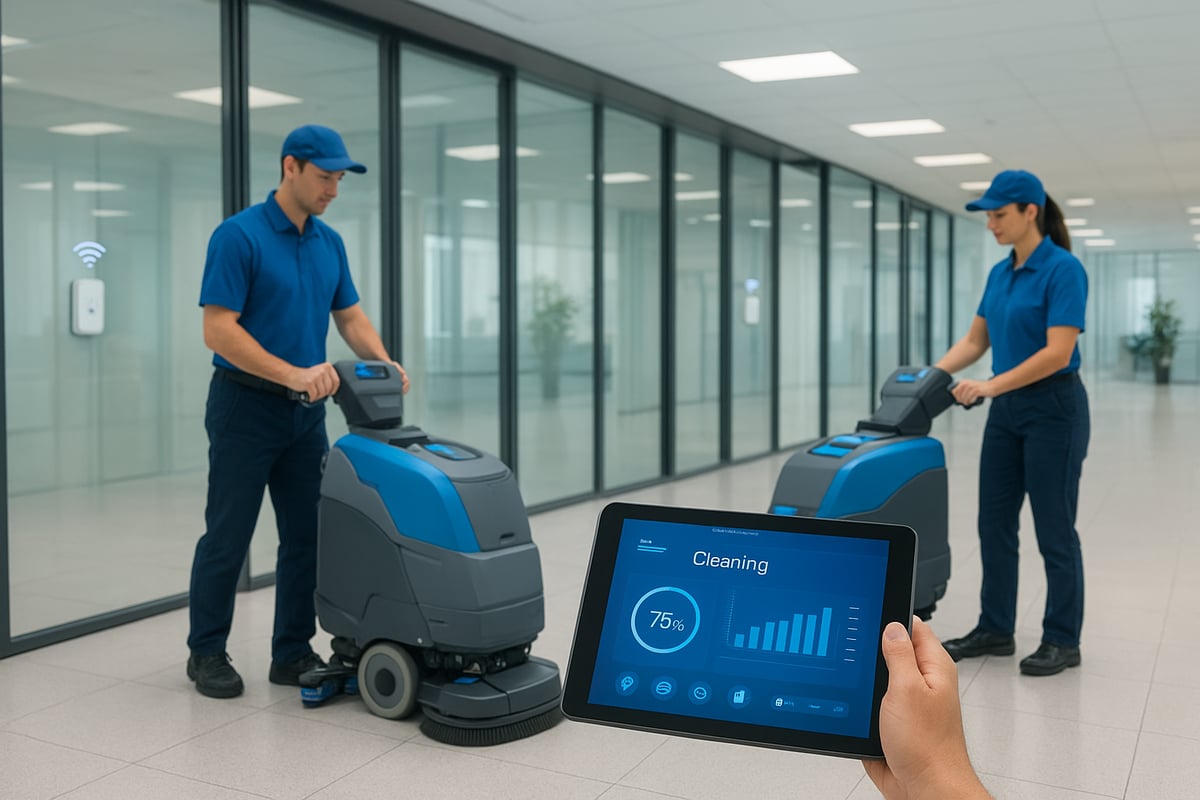
Commercial cleaning contractors are transforming how businesses maintain their environments in 2025. Technology is now central to delivering efficient, reliable, and measurable results. Companies working with cleaning contractors expect more than just routine services—they seek innovation, transparency, and data-driven accountability.
Emerging Cleaning Technologies
Innovative cleaning technologies have become a defining feature for leading cleaning contractors. Robotics and automated equipment are now common, allowing teams to handle repetitive tasks more efficiently and reduce manual labor. IoT-enabled devices, such as smart dispensers and connected vacuum systems, gather real-time data to optimize cleaning schedules and supply usage.
Smart sensors monitor cleanliness levels, triggering targeted cleaning only where needed. This approach helps cleaning contractors deliver measurable results and ensures resources are used effectively. Data analytics platforms allow for performance tracking, providing actionable insights to improve operations and demonstrate value to clients.
For an in-depth look at these advancements, you can review Emerging Commercial Cleaning Trends 2025, which highlights how automation and analytics are shaping the industry.
The benefits of adopting these technologies include increased efficiency, cost savings, and enhanced accountability. Cleaning contractors leveraging innovation are better equipped to meet the evolving demands of commercial spaces.
Digital Communication and Reporting
Digital tools have revolutionized how cleaning contractors interact with clients and manage contracts. Online platforms now streamline contractor selection, communication, and performance reviews, making the entire process more transparent. Automated reporting systems generate detailed dashboards, allowing businesses to monitor service quality and compliance in real time.
Clients can access on-demand reports, track KPIs, and address concerns quickly through these platforms. This level of transparency builds trust and enables cleaning contractors to provide consistently high standards across multiple sites. Digital solutions also facilitate rapid issue resolution and proactive management, further enhancing the client experience.
Adoption rates for these technologies are rising, with cleaning contractors recognizing that digital innovation is essential for long-term success. As expectations continue to grow, businesses should prioritize working with partners who invest in these tools and can demonstrate measurable improvements.
Cost Factors and Budgeting for Cleaning Services
Budgeting for cleaning contractors in 2025 requires a clear understanding of the variables that impact service costs. With commercial cleaning needs evolving, businesses must evaluate both direct and indirect expenses to ensure value for money.
What Influences Cleaning Contractor Pricing?
Several factors contribute to the pricing structure of cleaning contractors. Labor costs remain the largest component, especially in regions where wages are rising. Materials and equipment also add to the total, particularly when eco-friendly products or advanced machinery are used. The frequency and timing of services, such as daily cleaning or after-hours work, can influence labor allocation and therefore the overall cost.
Specialized services, like deep cleaning or hazardous material handling, require additional expertise and may involve premium charges. Regional differences play a significant role, as cleaning contractors in cities like London often charge more than those in smaller areas. For instance, according to Professional cleaning services in Devon, regional expertise can lead to more competitive rates outside major metropolitan hubs.
Market competition also affects pricing, with some contractors offering discounts to secure long-term contracts. Here is a simple comparison:
| City | Average Cost per Hour (£) | Specialized Services Surcharge (%) |
|---|---|---|
| London | 18–25 | 15 |
| Manchester | 15–20 | 10 |
| Devon | 13–18 | 8 |
Understanding these factors helps businesses make informed decisions when hiring cleaning contractors.
Strategies for Cost-Effective Cleaning Contracts
To maximise value, businesses should explore strategies that align with their cleaning contractors' offerings. Bundling multiple services—such as daily cleaning, window washing, and floor care—often results in better rates than purchasing services separately. Negotiating flexible contracts, whether seasonal or on-demand, enables companies to adjust service levels based on occupancy or shifting needs.
Monitoring contractor performance is crucial. Regular reviews ensure that the agreed standards are met and allow for timely adjustments. Data from industry reports show that bundled contracts can save companies up to 20% annually compared to piecemeal arrangements.
Clear communication of expectations, combined with periodic cost assessments, ensures that businesses continue to receive value from their cleaning contractors. By following these best practices, organisations can maintain high standards of cleanliness without overspending.
Best Practices for Working with Cleaning Contractors
Building a strong, reliable relationship with cleaning contractors is essential for maintaining a clean, healthy commercial environment. Businesses benefit from a structured approach that fosters collaboration and accountability while adapting to new industry standards.
Building Productive Partnerships
The foundation of a successful partnership with cleaning contractors starts with clear expectations. Define the scope of work, service levels, and measurable KPIs from the outset. This ensures both parties understand deliverables and standards.
- Establish regular communication channels, such as scheduled check-ins or digital platforms
- Provide detailed feedback, both positive and constructive, to foster continuous improvement
- Set up periodic performance reviews to measure results and adjust as needed
Modern businesses are increasingly leveraging digital tools to streamline contractor management and reporting. Staying updated on facility management and cleaning trends for 2025 can help companies adopt best practices and innovative solutions. For example, a facility that implemented monthly reviews with its cleaning contractors saw a marked improvement in cleanliness scores and occupant satisfaction.
Strong partnerships also provide flexibility, allowing for quick response to changing business needs or unforeseen challenges. Investing time in this relationship pays off in operational efficiency and workplace morale.
Handling Issues and Continuous Improvement
Even with effective planning, challenges may arise in the day-to-day management of cleaning contractors. Establish a straightforward process for addressing complaints or service gaps. Encourage open dialogue so issues can be resolved quickly and constructively.
- Document concerns and share them with the contractor promptly
- Collaborate on corrective actions and agree on timelines for resolution
- Use complaints as opportunities for learning and process refinement
Encouraging innovation is key. Invite cleaning contractors to suggest new methods, technologies, or products that could enhance results or efficiency. Their industry expertise can drive ongoing improvements and ensure your facility remains at the forefront of hygiene and safety standards.
Data shows that businesses with proactive contractor management report higher workplace satisfaction and lower incident rates. By nurturing a culture of continuous improvement, companies can maximize the value and impact of their cleaning contractors.
The Future of Commercial Cleaning Contractors: What to Expect Beyond 2025
The landscape for cleaning contractors is set to change dramatically as we look beyond 2025. Businesses will need to stay agile and informed to leverage new opportunities in commercial cleaning. Understanding what lies ahead is vital for leaders aiming to future-proof their facilities and maintain high standards of cleanliness.
Anticipated Industry Changes
The future for cleaning contractors promises significant transformation driven by technology and evolving client needs. Automation will reshape the workforce as robotics and AI-driven solutions take over routine tasks, allowing staff to focus on specialized services and quality control. Sustainability will become a non-negotiable requirement, with clients demanding eco-friendly products and transparent supply chains.
Integrated facilities management will emerge as the standard, with cleaning contractors offering comprehensive packages that go beyond basic cleaning. Early adopters are already piloting AI-powered scheduling and smart sensor systems that monitor cleanliness in real time. According to 2025 Cleaning Industry Trends and Insights, demand for data-driven performance and measurable results is rising, with clients expecting detailed reporting and proactive problem-solving.
Expect to see growing pressure for transparency in every aspect of service delivery, from labor practices to environmental impact. Companies that invest in upskilling their teams and adopting innovative solutions will lead the market for cleaning contractors.
Preparing Your Business for the Future
To thrive in this new era, businesses should take proactive steps in selecting and managing cleaning contractors. Stay updated on industry trends and regulatory changes by subscribing to reputable resources and participating in professional networks. Build long-term relationships with contractors who demonstrate adaptability, a commitment to sustainability, and a willingness to invest in new technology.
Consider the following strategies for future readiness:
- Regularly review and update cleaning protocols to align with industry best practices.
- Invest in staff training and digital tools that improve efficiency and accountability.
- Collaborate with cleaning contractors to explore integrated service models and flexible contracts.
By prioritizing innovation and open communication, you can ensure your organization benefits from the next generation of cleaning contractors. As the market grows and evolves, those who act early will gain a competitive edge, positioning their businesses for success in the years to come.
As you look ahead to 2025, it's clear that choosing the right cleaning contractor is more than just ticking a box—it's about ensuring your business stays safe, compliant, and welcoming for everyone who walks through the door. With evolving industry standards, innovative technology, and the need for reliable 24 7 support, having an experienced partner makes all the difference. If you're ready to put these best practices into action and want guidance tailored to your unique needs across Devon and beyond, contact the team today. We're here to help you get the most out of your cleaning contractor partnership.