
Commercial construction sites face unprecedented security threats, with theft and vandalism costing the industry over one billion dollars each year. As criminals adopt more advanced tactics, traditional site protection methods often fall short.
For construction firms, the consequences go beyond financial loss. Delays, equipment shortages, and safety risks can jeopardize entire projects and put workers at risk.
To meet these challenges, adopting modern construction security solutions is no longer optional. Effective protection now demands a proactive, technology-driven approach.
In this article, discover 8 essential construction security strategies designed to shield your assets, minimize losses, and keep your projects on track in 2025.
The Evolving Landscape of Construction Site Security in 2025
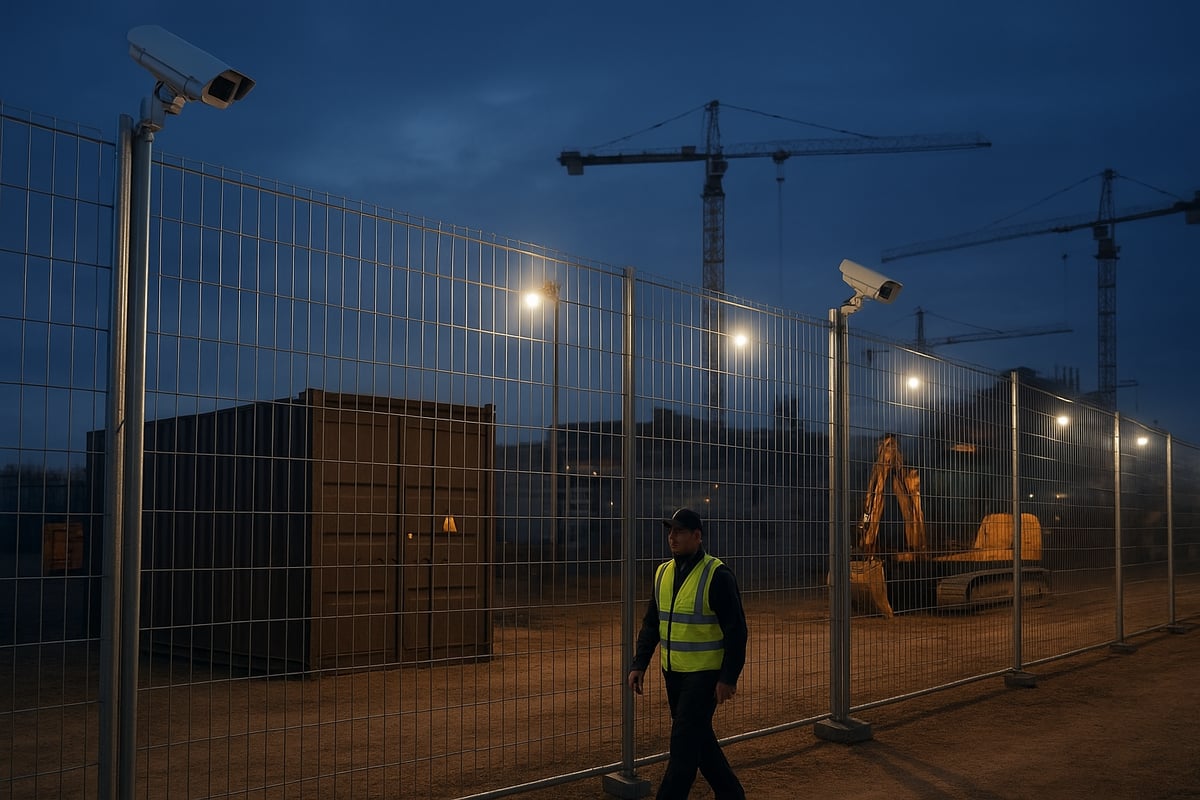
Construction security is facing unprecedented challenges as theft and vandalism surge across commercial job sites. Recent reports reveal a dramatic increase in incidents, with criminals specifically targeting high-value equipment, copper wiring, and essential materials. The economic climate and ongoing labor shortages have made sites more vulnerable, as fewer workers are available to monitor and protect assets. Longer lead times for replacing stolen equipment now mean that a single incident can set a project back by weeks or even months. For example, a widely publicized case in Howard County saw authorities recover over $5 million in stolen tools, highlighting the enormous risk facing construction security. According to the BauWatch Crime Report 2025, these threats are only expected to rise in the coming year.
The Rising Threats to Construction Sites
The scale of threats facing construction security is growing rapidly. Large commercial sites are often left unattended overnight, making them attractive targets for organized criminal groups. Thieves are not only after tools but also expensive machinery and valuable metals that can be quickly resold. Economic pressures have pushed more individuals toward opportunistic theft, while vandalism and trespassing remain persistent problems. Each incident can disrupt project timelines, increase costs, and introduce safety hazards for workers. The industry’s response must be proactive and robust to address these escalating risks.
Key Security Challenges Facing Construction Firms
Construction security is complicated by the very nature of commercial projects. Sites are typically expansive, with multiple access points that are hard to monitor consistently. The temporary setup of most projects means security infrastructure must be flexible and rapidly deployable. Coordination adds another layer of complexity, as subcontractors and third-party vendors frequently enter and exit the site. Balancing the need for strong security with the imperative to maintain productivity is a persistent challenge. Firms must also navigate evolving regulations and insurance requirements to ensure compliance and adequate protection.
The Shift Toward Integrated, Technology-Driven Solutions
To keep pace with evolving threats, construction security is rapidly adopting advanced technology. AI-powered surveillance systems now provide real-time monitoring, using smart sensors to detect unusual activity instantly. Many firms are integrating physical and digital security, creating comprehensive layers of protection that address both on-site and remote risks. Data analytics tools help identify patterns in incidents, enabling teams to predict and prevent future threats. Cloud-based access control and mobile management platforms streamline security operations, making it easier to monitor multiple sites from a single dashboard. Real-time GPS tracking is becoming standard for equipment and personnel, reducing the risk of loss and ensuring accountability. These integrated, technology-driven solutions are setting a new standard for construction security in 2025, enabling firms to stay ahead of increasingly sophisticated criminals and protect every aspect of their operations.
8 Essential Construction Security Strategies for 2025
Protecting commercial projects in 2025 requires a proactive, multi-layered construction security approach. Each strategy below is designed to address specific vulnerabilities, harnessing both technology and human expertise to keep your assets, materials, and personnel safe. By integrating these strategies, construction security becomes a central pillar of project management and risk mitigation.
1. Conduct Comprehensive Risk Assessments
The foundation of effective construction security is a thorough risk assessment tailored to each project and site location. Begin by identifying unique vulnerabilities, such as isolated areas, high-value materials, and local crime trends. Evaluate risks from theft, vandalism, unauthorized access, and safety hazards that may impact operations.
Use historical data and incident reports to inform your risk profile. Engage key stakeholders, including project managers, security professionals, and insurance providers, to ensure diverse perspectives. Schedule regular reassessments as the project evolves, especially when site layouts change or new subcontractors join.
Develop actionable mitigation plans based on assessment findings. For example, sites that conduct regular risk assessments often reduce theft incidents by up to 50 percent. Document your findings and communicate them clearly to all team members. This systematic process ensures your construction security measures remain relevant and robust throughout the project lifecycle.
2. Implement Advanced Access Control Systems
Controlling who enters and exits commercial construction sites is vital for construction security. Deploy electronic gates, turnstiles, and smart card readers at all entry points to monitor movement. For areas requiring heightened security, use biometric authentication such as fingerprint or facial recognition, ensuring only authorized personnel gain access.
Integrate access control systems with time-tracking and attendance software to streamline operations. Restrict entry to sensitive zones and set up alerts for after-hours access attempts. Maintain real-time logs to monitor who is on-site at any given time.
Regularly review and update access permissions, especially as teams change. Sites using advanced access control have reported a significant drop in unauthorized entries. Ensure your systems comply with GDPR and other data privacy regulations to protect personal information. By prioritizing access control, you minimize risk and maintain operational efficiency.
3. Enhance Perimeter Security and Physical Barriers
A strong perimeter is a frontline defense for construction security. Install robust fencing, anti-climb barriers, and reinforced gates to deter intruders. Secure all entry points with tamper-proof locks and regularly inspect for weaknesses or signs of tampering.
Display clear warning signage around the perimeter to discourage unauthorized access. Combine physical barriers with monitored alarm systems for immediate response to breaches. Landscaping with thorny bushes or dense shrubbery can serve as a natural deterrent.
Schedule routine inspections and maintenance of all barriers, especially after severe weather or major site changes. Sites employing layered perimeter security experience far fewer break-ins compared to those relying on a single solution. Integrating physical and electronic measures creates a comprehensive shield for your assets.
4. Deploy AI-Powered Surveillance and Monitoring
Modern construction security leverages advanced surveillance to provide real-time situational awareness. High-definition CCTV cameras equipped with night vision and motion detection capture every angle, reducing blind spots. AI analytics can identify unusual activity, sending instant alerts to site managers or security teams.
Integrate video feeds with mobile devices for remote monitoring. Store footage securely in the cloud for later review or evidence. Drones offer aerial surveillance, especially useful for large or complex sites. According to recent advancements showcased at AI-Powered Construction Site Safety at ISC West 2025, AI-based systems can reduce false alarms by up to 70 percent, improving efficiency and response times.
Ensure all cameras are positioned to cover high-risk areas and regularly test your monitoring systems. This proactive approach transforms surveillance from passive recording to active threat prevention.
5. Secure Valuable Equipment and Materials
Construction security must focus on protecting high-value assets. Equip machinery, tools, and materials with GPS tracking devices or RFID tags to monitor their location at all times. Store expensive items in lockable containers or designated secure zones when not in use.
Schedule just-in-time deliveries to reduce excess on-site inventory, lowering the temptation for theft. Maintain detailed digital inventories and conduct regular audits to reconcile records with physical assets. Implement check-in and check-out procedures for all tools and equipment.
Sites using GPS tracking have a 90 percent higher recovery rate for stolen items. These measures not only deter theft but also help with insurance claims and project planning. Proactive asset management is a cornerstone of effective construction security.
6. Invest in Professional Security Personnel and Mobile Patrols
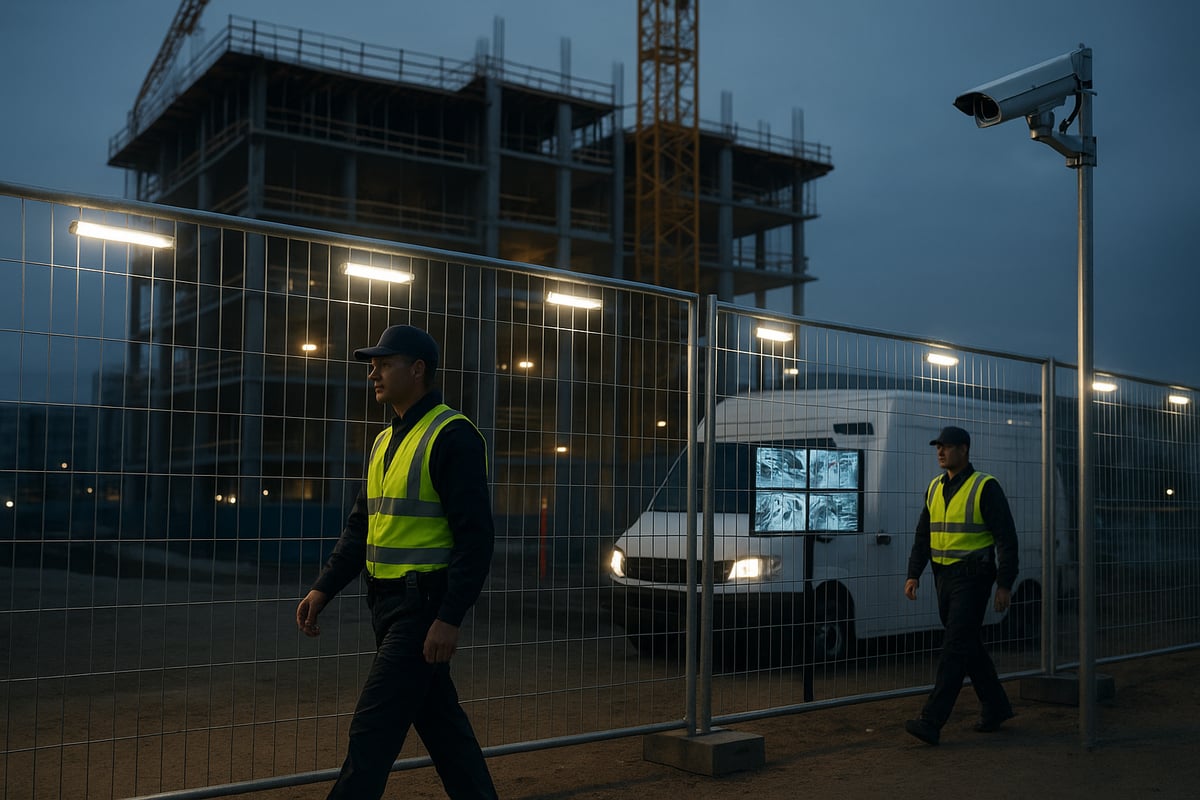
Human presence remains critical in construction security, complementing technology with real-time judgment and deterrence. Hire licensed, trained security guards to maintain a visible presence on-site. Schedule both random and routine mobile patrols, especially after hours or on weekends.
Equip security personnel with reliable communication devices and digital incident reporting tools. Integrate their efforts with your surveillance and access control systems for seamless coordination. Foster a culture of vigilance across all levels, encouraging workers and contractors to stay alert.
Sites with visible, active security staff see a marked decrease in opportunistic theft and vandalism. Provide ongoing training on emerging threats and protocols, ensuring your team can adapt to new risks as they arise.
7. Leverage Smart Lighting and Alarm Systems
Effective lighting is a simple yet powerful construction security tool. Install motion-activated LED lighting to eliminate dark zones that attract trespassers. Smart alarm systems with real-time notifications alert site managers and local authorities instantly when triggered.
Integrate lighting and alarms with surveillance for coordinated response. Test and maintain these systems regularly, ensuring reliability in all conditions. For remote or off-grid sites, solar-powered lighting offers an eco-friendly solution.
Customize alarm triggers for different zones based on risk level. Well-lit sites report up to 60 percent fewer trespassing incidents. Smart lighting and alarms not only deter crime but also enhance safety for workers during early or late hours.
8. Foster a Security-First Culture and Staff Engagement
Sustainable construction security relies on engaged teams who prioritize safety and vigilance. Provide regular security training for all site personnel, including subcontractors. Encourage the reporting of suspicious activity through anonymous channels to foster open communication.
Display clear security policies and emergency procedures throughout the site. Recognize and reward proactive behavior to motivate staff participation. Hold security briefings at key project milestones and after any incident to reinforce best practices.
When everyone understands their role in construction security, response times improve and risks are minimized. Make security a shared responsibility, embedding it into the fabric of your organizational culture.
Integrating Security with Construction Site Operations
Integrating construction security with daily site operations is essential for keeping projects on track and assets protected. As threats grow more complex, firms must ensure security measures work seamlessly with construction workflows, not against them.
Balancing Security and Productivity
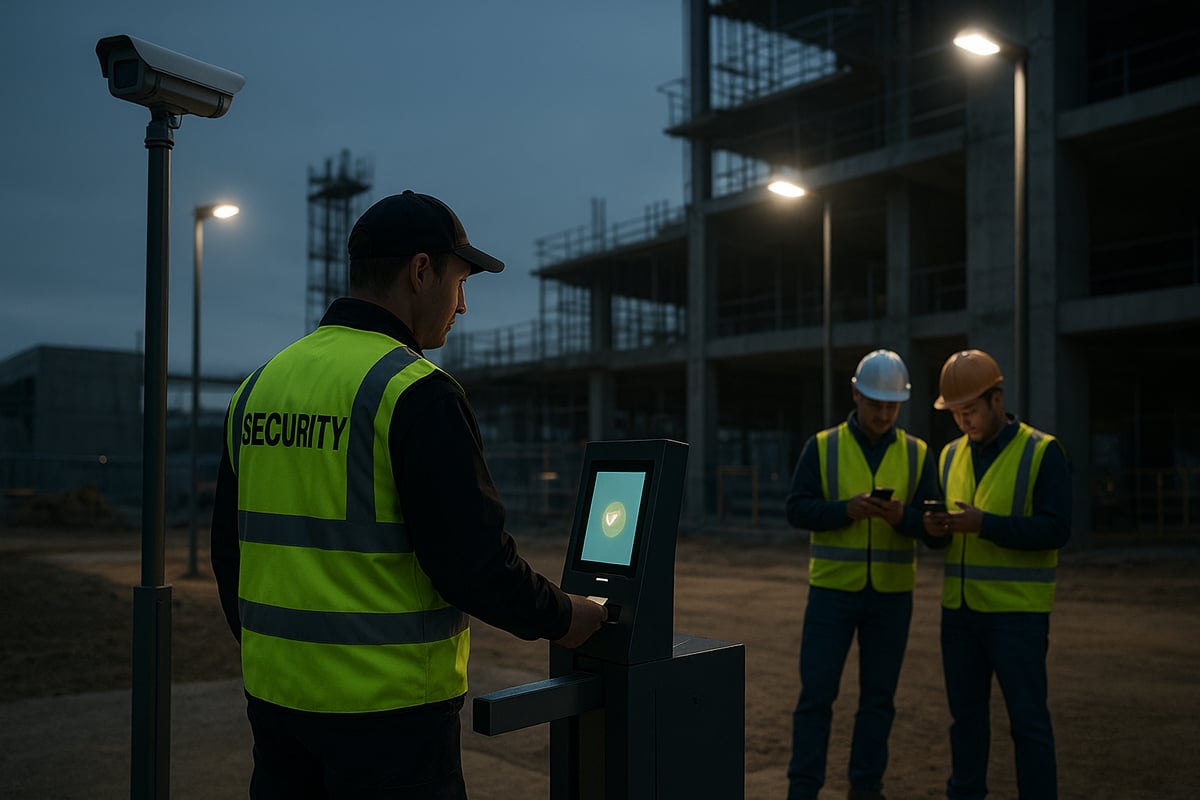
Striking the right balance between construction security and productivity is crucial. Overly restrictive measures can slow down work, while lax protocols put assets at risk. To address this, many sites use digital check-ins and mobile access, allowing workers to enter quickly without causing bottlenecks.
Collaboration between security teams and site supervisors ensures protocols are tailored to the project's unique needs. For example, integrating mobile access apps reduces wait times at gates, letting crews start work on schedule. By aligning construction security processes with operational flow, firms avoid disruptions and maintain efficiency.
The Role of Technology in Site Management
Technology is transforming how construction security supports site management. Centralized platforms now combine security data with operational metrics, empowering managers to make informed decisions in real time. Automated security checks and incident reporting streamline compliance and response.
Integrating security tools with project management software allows for seamless coordination across teams. Cloud-based dashboards, for instance, offer instant visibility into site status and alerts. To see how comprehensive solutions can enhance site protection and efficiency, explore site security solutions. This approach ensures construction security is a core part of daily operations, not an afterthought.
Measuring Security ROI and Continuous Improvement
Measuring the return on investment for construction security involves tracking incident rates, response times, and reductions in losses. Regular feedback from site staff helps refine protocols and address evolving risks.
Continuous improvement keeps security aligned with operational goals, ensuring sites remain both productive and protected.
Future Trends in Construction Security for 2025 and Beyond
Emerging technologies are rapidly transforming how commercial construction sites approach security. As we move into 2025, construction security is evolving beyond traditional measures, embracing digital innovation to outpace increasingly sophisticated threats.
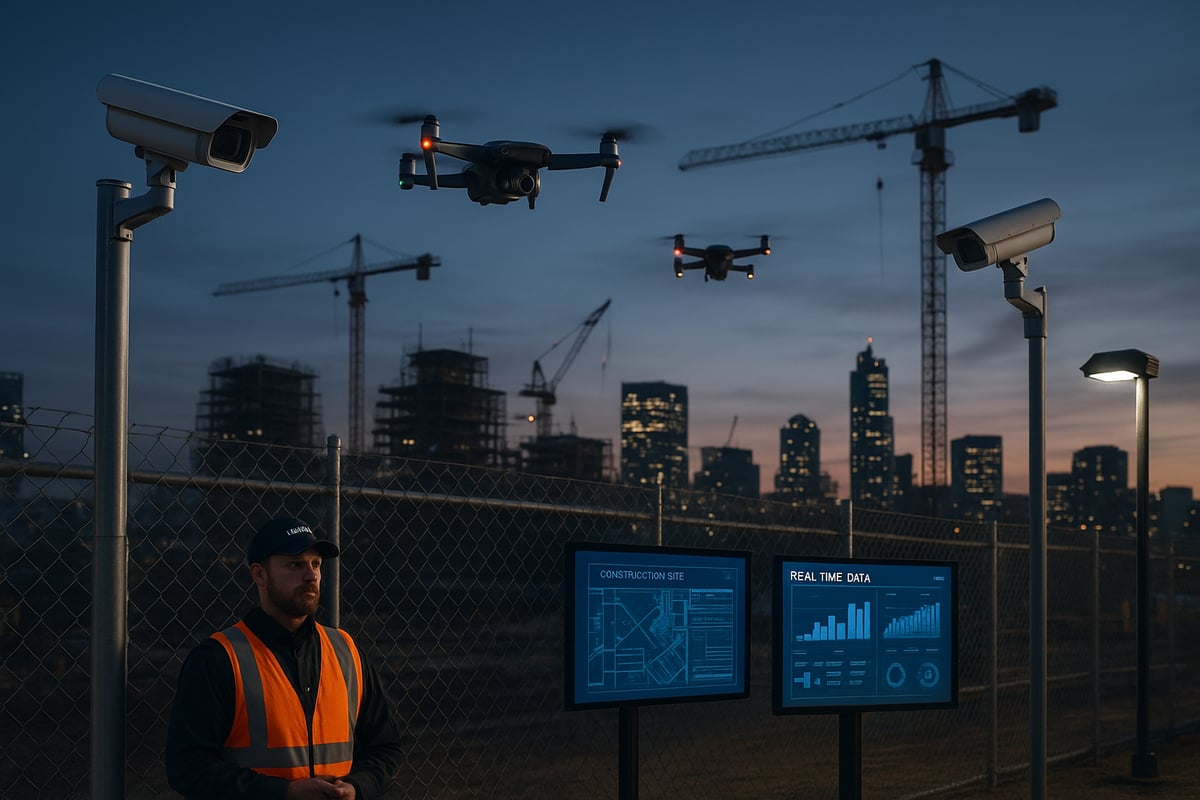
Several trends are shaping the future of construction security:
- AI and Automation: AI-powered surveillance systems are now equipped to detect suspicious activities in real time. New initiatives, like OpenConstruction: Visual Datasets for AI in Construction Monitoring, support advanced threat identification and event analysis.
- Drones and Robotics: Automated drone patrols are becoming standard for large commercial sites. These systems, such as EdgeAI Drone for Autonomous Construction Site Surveillance, deliver aerial views and instant alerts, filling gaps that static cameras cannot cover.
- IoT Integration: Connected sensors monitor not only security breaches but also environmental hazards, like fire or flooding. This holistic approach ensures that safety and security are managed together.
- Cybersecurity: As construction security systems become more connected, protecting digital infrastructure from cyberattacks is critical. Firms are investing in encrypted communications and rigorous access controls.
- Sustainability: Solar-powered lighting, eco-friendly materials, and energy-efficient surveillance tools are rising priorities for security infrastructure.
- Predictive Analytics: Using historical data, construction security strategies are shifting from reactive to proactive, anticipating incidents before they occur.
- Industry Collaboration: Sharing intelligence with authorities and industry groups helps firms stay ahead of evolving threats and regulatory changes.
Staying informed and adaptable is essential. By embracing these trends, companies can ensure their construction security strategies remain robust, future-proof, and aligned with the demands of a dynamic commercial environment.
Now that you’ve explored the essential construction security strategies for 2025, you understand how vital it is to protect your sites from evolving risks while keeping your projects on track. At Ablou Facilities, we bring over 30 years of expertise in security, cleaning, and maintenance across Devon and surrounding areas. Our qualified team operates around the clock, delivering tailored solutions that fit your site’s unique needs. If you’re ready to take the next step in safeguarding your investments and ensuring peace of mind for your team and stakeholders, contact the team to discuss how we can help.