
Commercial sites are facing unprecedented risks in 2025, as criminals adopt smarter tactics and regulations become stricter. Businesses, property managers, and site operators need a proactive approach to site security to safeguard assets, comply with new rules, and avoid costly incidents.
This essential guide explores the latest threats, key components of a strong site security strategy, advanced technologies shaping the industry, and compliance requirements every commercial site must meet. Discover what’s at stake, understand the consequences of inadequate protection, and learn how to build a future-proof plan with practical, expert-backed steps.
Stay ahead of challenges and secure your site with confidence.
The Evolving Threat Landscape for Site Security in 2025
The landscape for site security is shifting rapidly as commercial sites face a surge in both physical and digital threats. Operators must stay alert as criminals adopt new tactics, regulations become stricter, and the stakes for compliance and protection rise. Understanding these evolving risks is the first step to building a proactive site security strategy that truly safeguards assets and operations.
Rising Crime and Intrusion Trends
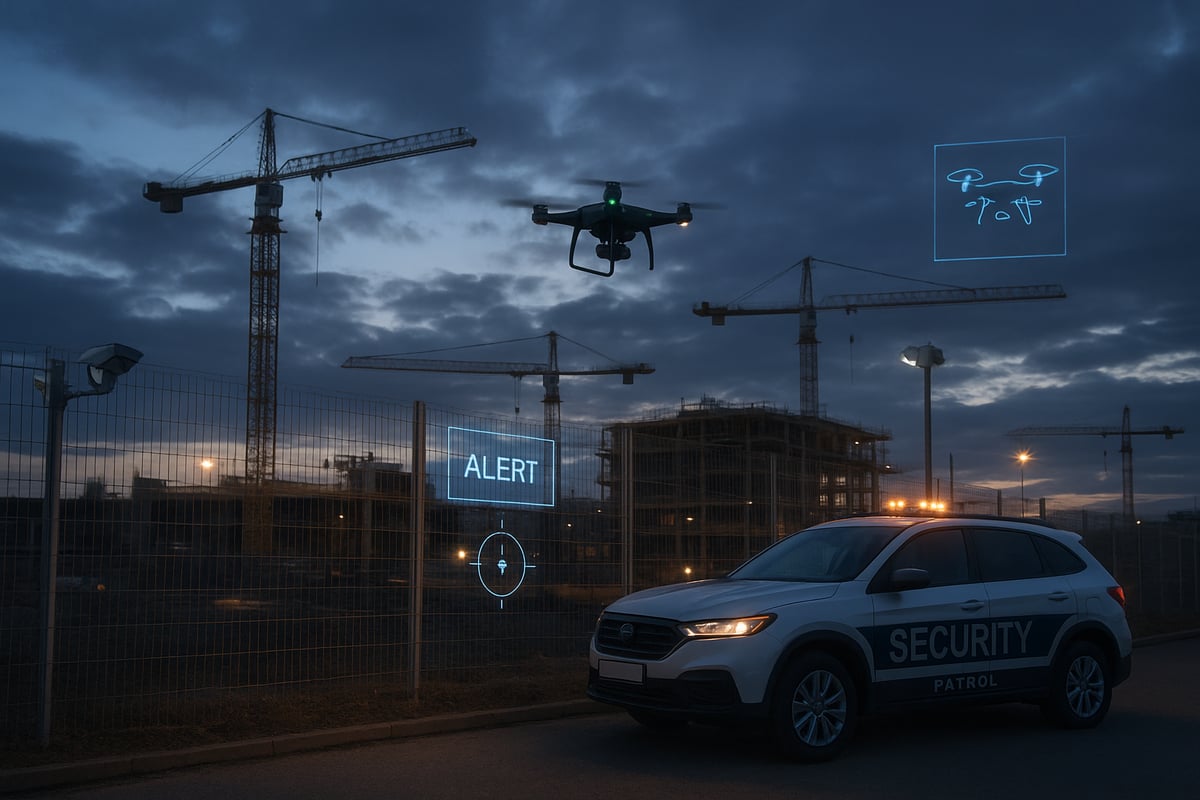
Commercial sites are experiencing a notable increase in theft, vandalism, and unauthorised access incidents. In the UK alone, construction sites lost over £800 million to theft in 2023, according to UK construction site theft statistics 2023. Criminals are leveraging sophisticated methods, including drones for surveillance, AI-powered tools to bypass systems, and coordinated group attacks.
Cyber-physical threats are also on the rise, with attackers targeting site technology, access controls, and surveillance infrastructure. Recent high-profile breaches in the construction and infrastructure sectors highlight the urgent need for robust site security measures.
Emerging Risks: Technology and Human Factors
Modern site security must now address vulnerabilities introduced by connected devices and human behaviour. IoT equipment, if not properly secured, can serve as entry points for cyberattacks. Social engineering tactics, such as phishing or impersonation, put site staff and contractors at risk.
Insider threats are a growing concern, with employees or contractors misusing access for theft or sabotage. Risks escalate during off-hours, weekends, and holidays. For example, a recent breach involved a compromised access card, allowing unauthorised entry and significant data loss. Addressing these factors is essential for comprehensive site security.
Regulatory and Insurance Pressures
The regulatory environment for site security is tightening, particularly in the UK and EU. New compliance standards, such as BSI EN50518:2019 for alarm receiving centres, set higher expectations for monitoring and response. Insurers now require robust physical and cyber protections as a condition of coverage.
Failure to comply with evolving regulations or meet insurer benchmarks can result in fines, penalties, or denied claims. For commercial operators, aligning site security practices with legal and insurance requirements is critical for operational continuity and risk mitigation.
Core Components of a Robust Site Security Strategy
A robust site security strategy is essential for protecting commercial assets and ensuring business continuity. As threats evolve, a layered approach is key. This includes comprehensive risk assessment, physical barriers, advanced surveillance, and effective incident response. For a detailed overview of integrated solutions, visit the Professional Security Services Overview. By focusing on these core components, businesses can proactively address vulnerabilities and maximize their investment in site security.
Comprehensive Site Risk Assessment
The foundation of effective site security is a tailored risk assessment. Every commercial site has unique assets and vulnerabilities. Start by identifying valuable equipment, mapping all access points, and reviewing past incident reports. Evaluate local crime data and consult professional risk consultants for expert insight.
Key steps include:
- Asset identification and valuation
- Vulnerability mapping
- Review of historical incidents
- Assessment of local crime trends
By using crime intelligence tools and in-depth evaluations, businesses ensure that site security investments are targeted and deliver maximum ROI.
Physical Security Measures and Access Control
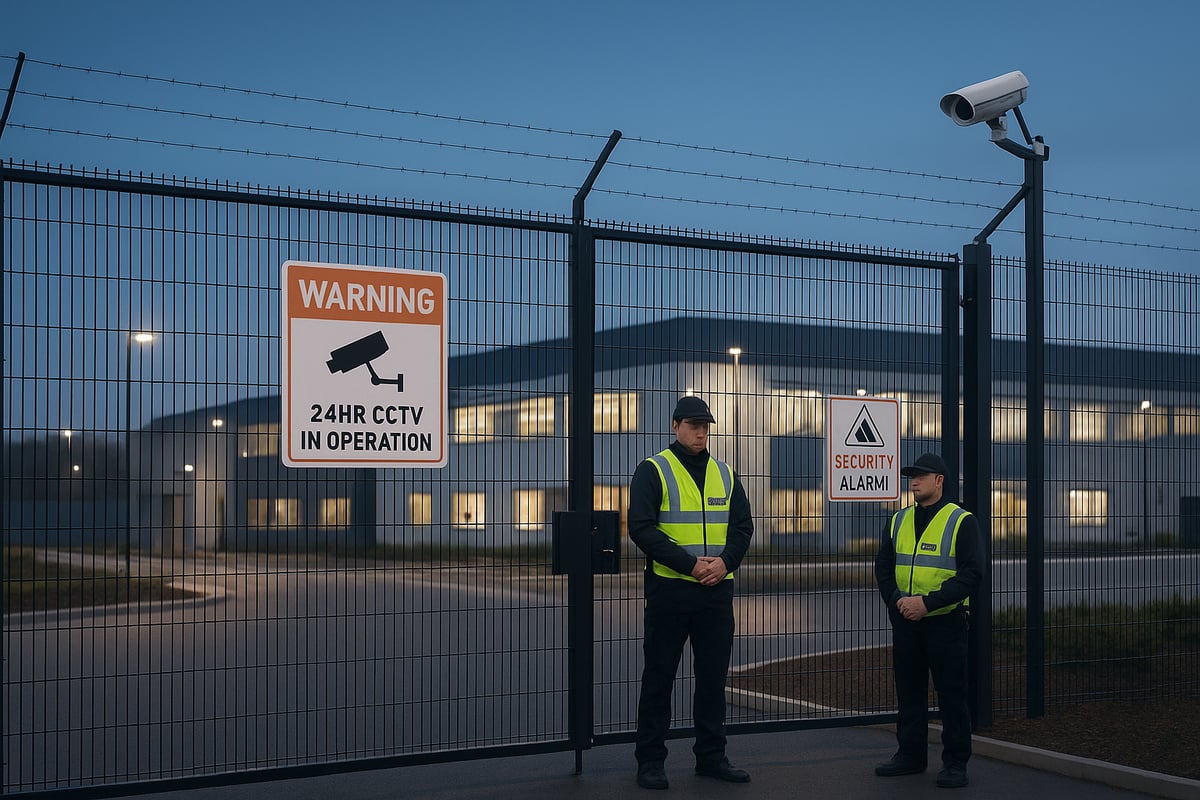
Physical security forms the first line of defense for any commercial site. Secure fencing, barriers, and controlled access points prevent unauthorized entry. Install turnstiles, gates, and monitored entry systems for added protection. SIA-licensed security guards and mobile patrols provide a visible deterrent and rapid response capability.
Enhance site security by:
- Implementing CCTV-monitored gates
- Integrating barriers with alarm systems
- Employing trained security staff
Combining physical measures with technology ensures robust site security at every perimeter.
Surveillance and Monitoring Solutions
Advanced surveillance is central to modern site security. Deploy 24/7 CCTV systems with remote monitoring and integrate alarms for immediate response. Wireless, rapid-deployment cameras offer flexibility for changing site layouts.
Partner with BSI EN50518:2019 approved monitoring centers for compliance and reliability. AI-powered analytics help detect threats and minimize false alarms. For example, construction site CCTV has enabled rapid police response and prevented major losses.
A multi-layered surveillance approach strengthens site security and ensures incidents are addressed swiftly.
Incident Response, Reporting, and Key Holding
A proactive incident response plan is critical for site security. Establish clear protocols for alarms, secure key holding, and rapid on-site response. Digital incident logs and audit trails improve compliance and transparency.
Key elements include:
- Staff training on emergency procedures
- Regular drills and escalation path reviews
- Secure storage and management of site keys
Mobile patrols and professional alarm response ensure that any breach is handled quickly, minimizing risk and maintaining site security at all times.
Advanced Technologies and Innovations in Site Security
The rapid evolution of technology is reshaping site security for commercial properties. Staying ahead of criminal tactics now requires advanced tools and intelligent systems that respond in real time. As 2025 approaches, businesses are leveraging new innovations to safeguard sites, assets, and personnel more effectively than ever before. According to the 2025 UK construction trends report, integrating these technologies is no longer optional—it is essential for robust site security.
AI and Automation in Surveillance
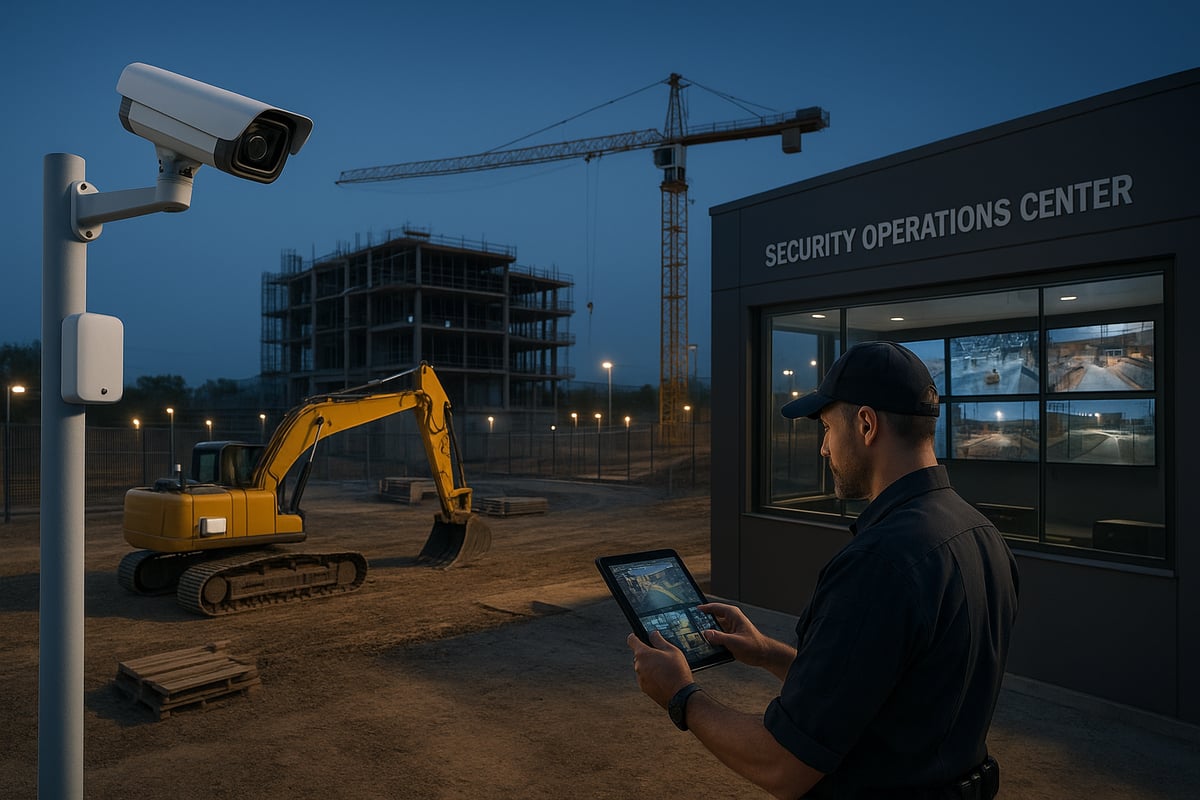
Artificial intelligence is transforming surveillance across commercial sites. AI-powered cameras now detect unusual movement, unauthorized access, and potential threats in real time. Facial recognition and behavioral analytics help identify risks before incidents occur.
Automated alerts are sent directly to security teams, reducing response times and ensuring swift intervention. These systems also minimize false alarms by distinguishing between genuine threats and harmless activity. For example, many commercial sites have implemented AI analytics to monitor after-hours activity, resulting in faster police responses and improved outcomes.
By integrating AI with cloud-based monitoring, site security becomes both proactive and adaptive to emerging risks.
Smart Sensors and IoT Integration
Modern site security strategies rely on a network of smart sensors and IoT devices. Wireless sensors monitor motion, vibration, temperature, and environmental conditions throughout the site. They provide instant alerts if equipment is tampered with or if a perimeter breach occurs.
IoT-enabled asset tracking allows managers to oversee valuable tools and machinery remotely. Secure network protocols are critical, as poorly protected devices can become entry points for cyber threats. On many construction sites, deploying smart sensors has significantly reduced theft and improved asset management.
Integrating these technologies ensures that site security covers both physical and digital vulnerabilities.
Remote Monitoring and Mobile Management
Remote monitoring platforms have revolutionized site security for multi-site operations. Cloud-based dashboards provide real-time visibility into site status, incident alerts, and security system health.
Security staff can use mobile apps to access live camera feeds, review incident reports, and configure system settings from anywhere. This flexibility allows for rapid response, even across geographically dispersed sites. Some providers offer nationwide deployment with setup times as fast as 72 hours.
Centralized control and mobile management mean that commercial sites remain protected around the clock, regardless of location or scale.
Forensic Marking and Asset Protection
Forensic marking is a powerful deterrent against theft in commercial environments. Solutions like SmartWater chemically tag high-value assets, making stolen items traceable and aiding in recovery.
Asset tagging and integration with police databases improve the chances of retrieving stolen property and securing convictions. Many businesses have seen marked equipment returned and criminals prosecuted due to these advanced measures.
Forensic marking not only strengthens site security but also helps meet insurance requirements and supports claims with clear evidence.
Compliance, Standards, and Insurance for Site Security
Commercial sites face a rapidly changing environment of regulatory, insurance, and industry standards. Adhering to best practices is not just about protection; it is essential for legal compliance and business continuity. Here is what you need to know to keep your site security strategy ahead of the curve.
Legal and Regulatory Frameworks
The legal landscape for site security is evolving quickly in the UK and EU. Regulations now require strict controls for surveillance, alarm systems, and site access. The BSI EN50518:2019 standard for alarm receiving centres sets the benchmark for alarm response, demanding robust monitoring processes.
GDPR impacts how surveillance footage is handled, with strict requirements for data storage and privacy. Construction and infrastructure sites must also meet local authority rules, plus industry-specific standards such as HSE and SIA licensing. Staying compliant ensures your site security measures are both effective and legally sound.
Insurance Requirements and Risk Mitigation
Insurance providers are raising the bar for commercial site security. Many now require physical and electronic protections, including monitored alarms and secure access controls, as part of coverage eligibility. Sites lacking these features may face higher premiums or reduced coverage.
To align with insurer expectations:
- Conduct professional risk assessments
- Implement documented protocols for incidents
- Ensure 24/7 monitoring for high-value sites
- Maintain up-to-date records of all site security measures
Meeting these requirements can reduce risk, streamline claims, and potentially lower insurance costs.
Accreditation and Certification
Working with accredited security partners is crucial for maintaining trust and compliance. Look for providers certified by SIA, BSI, Safe Contractor, and ISO, as these accreditations validate expertise and reliability. Regular third-party audits and ongoing compliance checks help keep site security strategies up to date.
| Accreditation | Benefit |
|---|---|
| SIA | Licensed and vetted staff |
| BSI | Adherence to industry standards |
| Safe Contractor | Proven health and safety record |
| ISO | Quality management assurance |
Choosing certified partners provides peace of mind and demonstrates your commitment to robust site security.
Step-by-Step Guide to Building a Future-Proof Site Security Plan
Every commercial site needs a clear, actionable plan to ensure site security remains strong against evolving threats. This step-by-step guide breaks down the process into manageable actions, making it easier to protect assets, people, and business continuity. Whether managing a single location or multiple sites, following these steps will help future-proof your site security approach.
Step 1: Conduct a Site Security Audit
A comprehensive site security audit is the crucial first step. Begin by walking the entire site and mapping out all entry points, high-value assets, and current security measures. Engage professional consultants for an unbiased evaluation, ensuring nothing is overlooked.
Gather local crime data, review recent incidents, and document any vulnerabilities. Prioritize risks based on threat levels and business impact. For inspiration, explore Success Stories in Site Security to see how targeted audits have transformed real commercial operations. This foundation ensures your site security plan is built on accurate, actionable intelligence.
Step 2: Design a Layered Security Solution
With audit results in hand, develop a tailored, multi-layered site security system. Combine physical barriers, surveillance, and robust access controls. Integrate alarms, smart sensors, and 24/7 monitoring to cover all angles.
Select technologies that match your site's unique risk profile. Plan for redundancy, so if one layer is breached, others remain effective. For example, many commercial sites achieve optimal protection by deploying CCTV, mobile patrols, and advanced intrusion detection as part of their site security strategy.
Step 3: Implement, Test, and Train
Rapid deployment is essential, particularly for sites with urgent security needs. Aim to implement your site security measures within 72 hours where possible. Test every component, from alarms to cameras, to uncover any gaps in coverage.
Train all staff and contractors on protocols, emergency responses, and reporting procedures. Regular drills keep everyone prepared. Leveraging professional key holding and alarm response services further strengthens your incident response, ensuring your site security plan is fully operational.
Step 4: Monitor, Review, and Update Regularly
Site security is not a one-time project but an ongoing process. Use advanced monitoring platforms for real-time oversight and maintain digital incident logs for compliance and analysis.
Schedule regular audits and quarterly reviews to adapt to emerging threats and regulatory changes. Gather feedback from site staff to identify practical improvements. Reviewing success stories and past security incidents helps refine your site security plan, keeping your business protected as risks evolve.
Choosing the Right Site Security Partner
Selecting the right site security partner is a pivotal decision for every commercial operation. A reliable provider safeguards your assets, ensures business continuity, and keeps you compliant with evolving regulations. The right choice brings peace of mind and measurable value.
Criteria for Selecting a Security Provider
When evaluating site security partners, prioritize experience, expertise, and accreditations. Look for providers with a strong track record in commercial environments and a deep understanding of local risks.
Key criteria include:
- Proven industry experience and knowledge of commercial site security challenges
- SIA-licensed, fully vetted staff for professionalism and compliance (SIA-Licensed Security Guards)
- Ability to deliver rapid deployment and tailored solutions
- 24/7/365 support and real-time incident response
- Integrated cleaning and security options for complex sites
A provider who meets these standards will help you build a resilient site security solution aligned with your risk profile.
Questions to Ask Potential Partners
Before committing to a site security provider, ask targeted questions to assess their suitability. Understanding their capabilities and approach ensures your needs are met.
Essential questions include:
- What accreditations and certifications do your teams hold?
- Can you provide references from similar commercial projects?
- How do you adapt site security solutions for unique site requirements?
- What is your incident response and escalation process?
- Do you offer case studies from construction or business park clients?
These questions help clarify if a provider can deliver site security solutions that match your operational demands.
Ablou Facilities: Trusted Commercial Site Security in Devon and the South West
Ablou Facilities brings over 30 years of experience delivering commercial site security across Devon, Exeter, Torquay, Plymouth, and the wider South West. Their team provides SIA-licensed guards, mobile patrols, alarm response, and secure key holding for business and public sector clients.
Service highlights:
- Accredited by Safe Contractor and BSI for industry-leading compliance
- 24/7/365 rapid response for maximum site security
- Free consultations to assess and design custom site security plans
- Focus on commercial properties, not residential work
Ablou Facilities is committed to robust site security, helping clients meet the highest standards and regulatory requirements.
After exploring the latest security threats and proven strategies for protecting your site in 2025, it’s clear that staying ahead means more than just installing cameras or alarms—you need a partner who truly understands your unique risks. That’s where Ablou Facilities comes in, bringing decades of experience, local expertise, and a commitment to keeping your business secure day and night. If you’re ready to take the next step and create a custom security plan that actually works for you, let’s start the conversation.
Contact the team today and see how we can help safeguard your site’s future.