
Recent high-profile incidents have shown that businesses face more complex threats than ever before. With risks evolving rapidly in 2025, organizations cannot afford to overlook the importance of static security.
This guide delivers practical, up-to-date strategies to help you strengthen static security across your commercial sites. We will define what static security means, explore the latest threat landscape, and outline the essential tactics for robust protection.
Discover how technology, skilled staff, regulatory compliance, and effective implementation can empower your business to safeguard assets, people, and operations. Ready to take action? Let’s get started.
What is Static Security? Defining the Fundamentals
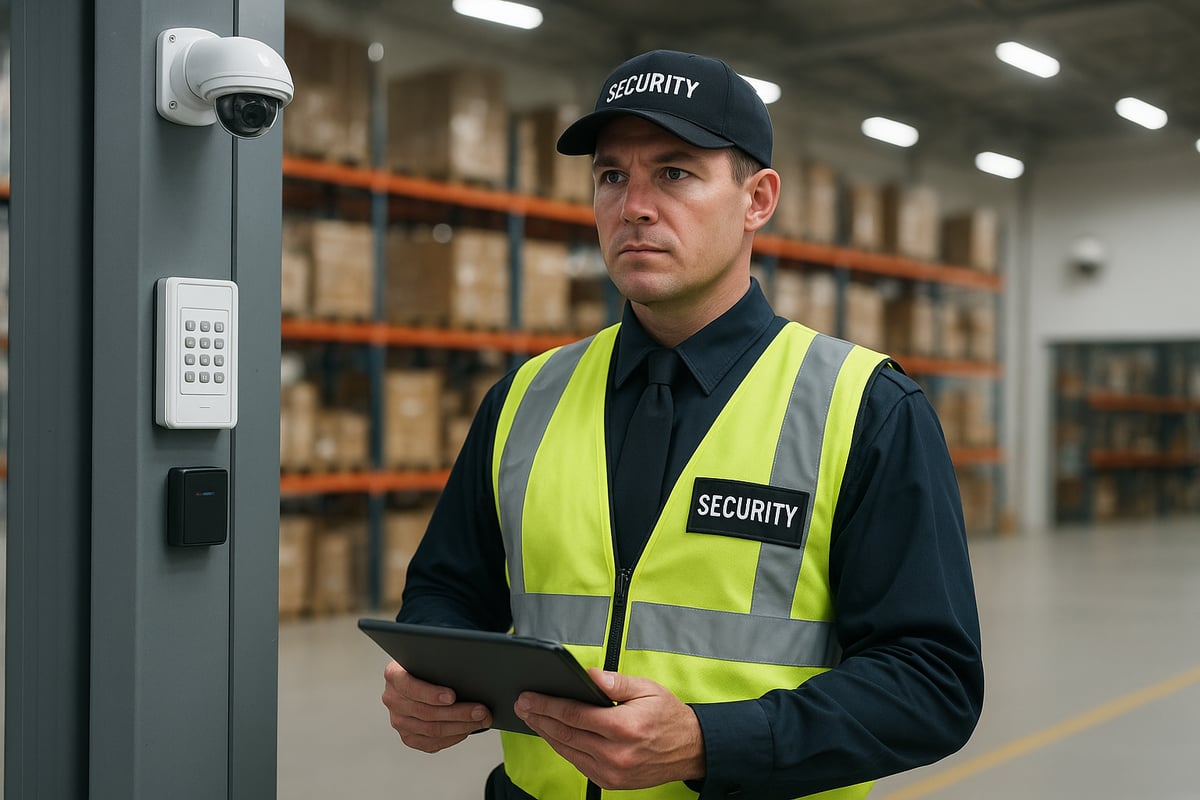
Static security is a cornerstone of commercial protection strategies. Unlike mobile patrols, which involve security professionals moving between locations, static security places guards at fixed positions throughout a site. This approach ensures constant, vigilant oversight of entry points, sensitive areas, and high-value assets.
Key Responsibilities and Environments
The core responsibilities of static security include access control, continuous monitoring, incident response, and customer service. Guards verify credentials, oversee visitor logs, and keep a watchful eye on surveillance systems. They are quick to respond to emergencies, whether it be a fire alarm or an unauthorized entry attempt.
Commercial offices, warehouses, retail outlets, and industrial facilities all benefit from static security. A visible presence deters crime and reassures both staff and visitors. For a detailed breakdown of these duties, see the security guard services overview.
Real-World Impact and Comparison
A recent example highlights the value of static security: after deploying dedicated guards at a UK warehouse, theft incidents dropped significantly. This success story demonstrates how static security acts as the first line of defense. The average UK salary for a static security guard is £27,000 per year, reflecting the growing demand for skilled professionals in commercial sectors.
To understand how static security compares to other methods, consider the following:
| Feature | Static Security | Mobile Security |
|---|---|---|
| Coverage | Fixed, continuous | Intermittent, mobile |
| Deterrence | High (visible presence) | Moderate |
| Response Time | Immediate (on-site) | Delayed (off-site) |
| Best For | Entry points, sensitive areas | Perimeter, large sites |
While mobile patrols offer broad coverage, static security provides unparalleled vigilance and peace of mind. It forms the foundation for integrated commercial security solutions, supporting advanced surveillance and facility management systems.
The 2025 Threat Landscape: Why Static Security is Essential
The security landscape for commercial properties is rapidly changing as we approach 2025. Businesses face new risks, stricter regulations, and rising expectations for safe workplaces. Static security solutions have become indispensable, offering a proactive approach to safeguarding assets and people. Let us explore why static security is more critical than ever for commercial environments.
Evolving Security Risks for Businesses
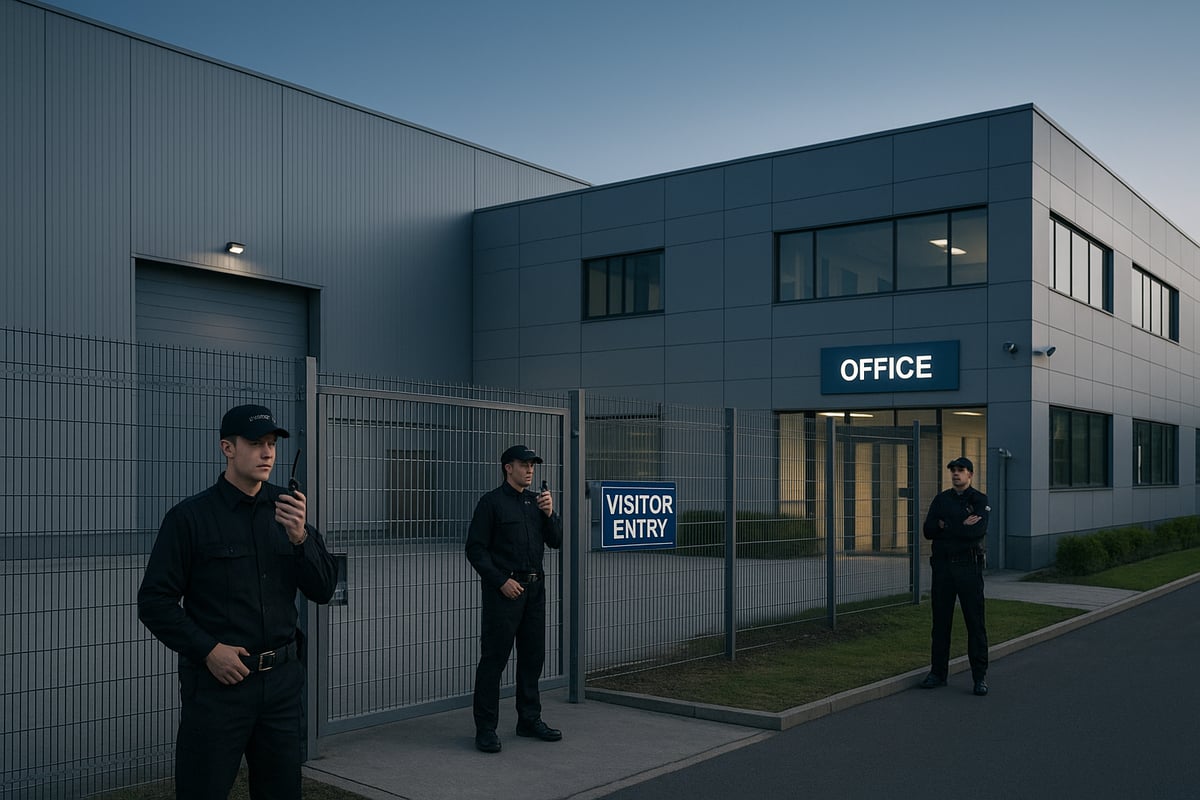
In 2025, businesses contend with increasingly sophisticated threats. Organised theft, vandalism, and unauthorized access attempts are on the rise, especially in commercial sites like warehouses and offices. Economic uncertainty and social unrest contribute to higher crime rates, compelling companies to prioritize static security.
Insider threats are also escalating, making on-site monitoring essential. For example, during the recent economic downturn, UK warehouses reported a marked increase in theft. According to the CrowdStrike 2025 Threat Report, organisations with a visible static security presence experienced significantly fewer incidents compared to those relying solely on remote monitoring.
Static security teams provide continuous oversight, deterring opportunistic crime and responding to suspicious activity in real time. Their presence reassures stakeholders and forms a vital part of any comprehensive risk management strategy.
Regulatory and Compliance Pressures
Commercial security is subject to evolving regulations in 2025. New standards for surveillance, data protection, and workforce licensing are shaping static security requirements. For UK businesses, SIA licensing ensures only qualified guards are deployed, while GDPR governs the handling of surveillance footage.
Non-compliance can result in heavy fines and reputational damage. One case saw a business shutdown after failing to meet regulatory standards for access monitoring and data storage. Robust static security protocols help businesses maintain compliance, support audit trails, and demonstrate due diligence to authorities.
Partnering with accredited providers ensures commercial sites meet all legal and ethical obligations. This reduces risk and builds trust with clients and employees.
The Human Factor: Staff and Visitor Safety
Employee and visitor safety is a growing priority for commercial organizations. Static security guards play a crucial role in maintaining a secure environment. Their responsibilities extend beyond vigilance—they are often first responders during emergencies such as fire alarms or medical incidents.
For instance, when a fire alarm sounded at a busy business park, static guards managed an orderly evacuation, assisting visitors and ensuring everyone’s safety. Their training in emergency response and communication is vital for protecting people and minimizing disruption.
Strong static security also enhances customer service. Guards assist with visitor queries, manage building access, and uphold a welcoming yet controlled atmosphere. This dual focus on safety and service strengthens an organization’s reputation and operational resilience.
Essential Static Security Strategies for 2025
To protect commercial assets in 2025, businesses must deploy essential static security strategies that address evolving threats and operational challenges. These strategies form the backbone of any effective security plan, combining technology, human vigilance, and tailored protocols. By understanding and implementing the following approaches, organizations can ensure their static security framework is resilient, compliant, and responsive.
Access Control and Perimeter Security
Robust access control is fundamental to static security in commercial settings. Organizations should implement systems like ID badges, biometric scanners, and digital visitor logs to manage entry and exit. Static security guards play a crucial role by verifying credentials, enforcing sign-in protocols, and monitoring entry points.
Layered perimeter security is equally vital. Combining physical barriers such as gates and bollards with surveillance technology creates multiple lines of defense. For example, a logistics hub reduced unauthorized entries by introducing a multi-tiered access system, integrating static security at key choke points.
| Access Control Methods | Pros | Cons |
|---|---|---|
| ID Badges | Easy to implement, scalable | Can be lost or shared |
| Biometrics | High security, non-transferable | Costly, privacy concerns |
| Visitor Logs | Good for tracking | Manual entry errors |
Static security is most effective when these methods are tailored to site-specific risks. For further insights on protecting business premises, see the detailed site security strategies page.
Surveillance and Monitoring Best Practices
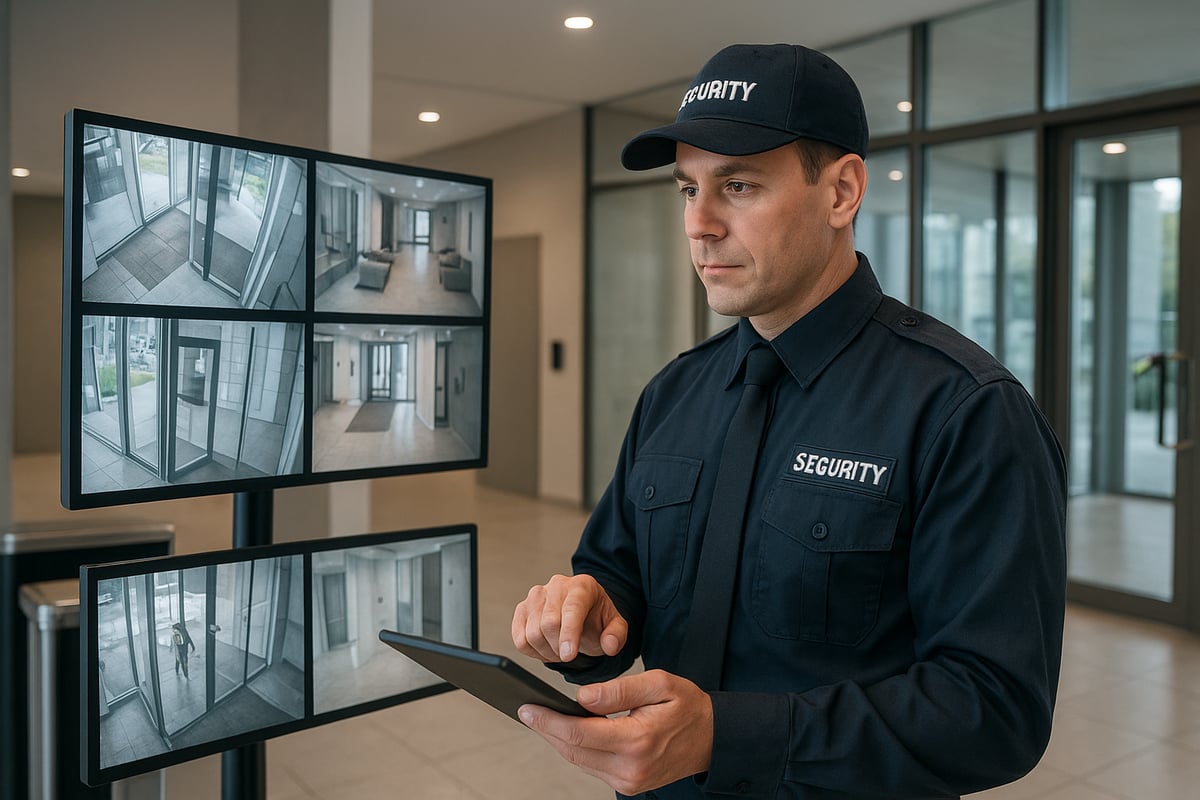
Surveillance is a cornerstone of static security. Modern sites rely on CCTV, motion sensors, and alarm systems to supplement on-site guards. Integration enables real-time monitoring, allowing static security personnel to quickly identify and respond to incidents.
Best practices include regular system checks, clear camera placement, and defined protocols for incident escalation. Static security guards should be trained to leverage analytics and AI tools, which can highlight unusual activity or potential threats faster than manual observation.
CCTV monitoring remains a core responsibility for static security teams. Using digital checklists and automated alerts improves vigilance and ensures incidents are documented accurately. This approach not only deters criminal behavior but also provides valuable evidence during investigations.
Incident Response and Emergency Preparedness
Effective incident response is a hallmark of professional static security. Organizations must develop comprehensive emergency plans covering scenarios such as fires, medical incidents, and lockdowns. Static security guards are often the first responders, tasked with taking decisive action to protect people and property.
Routine drills and scenario-based training ensure that static security staff can react confidently in emergencies. Communication protocols should be established, enabling guards to coordinate with emergency services and internal stakeholders without delay.
A recent evacuation drill at a commercial office demonstrated the value of well-prepared static security. The team managed a swift, orderly response, minimizing disruption and ensuring occupant safety. Continual review and improvement of these procedures keep static security effective in the face of new risks.
Leveraging Technology: The Future of Static Security
Technology is reshaping static security in commercial environments, bringing new tools and capabilities that help businesses stay ahead of risks. In 2025, integrating advanced systems is no longer optional—it is essential for effective protection and operational efficiency.
Smart Surveillance and AI Integration
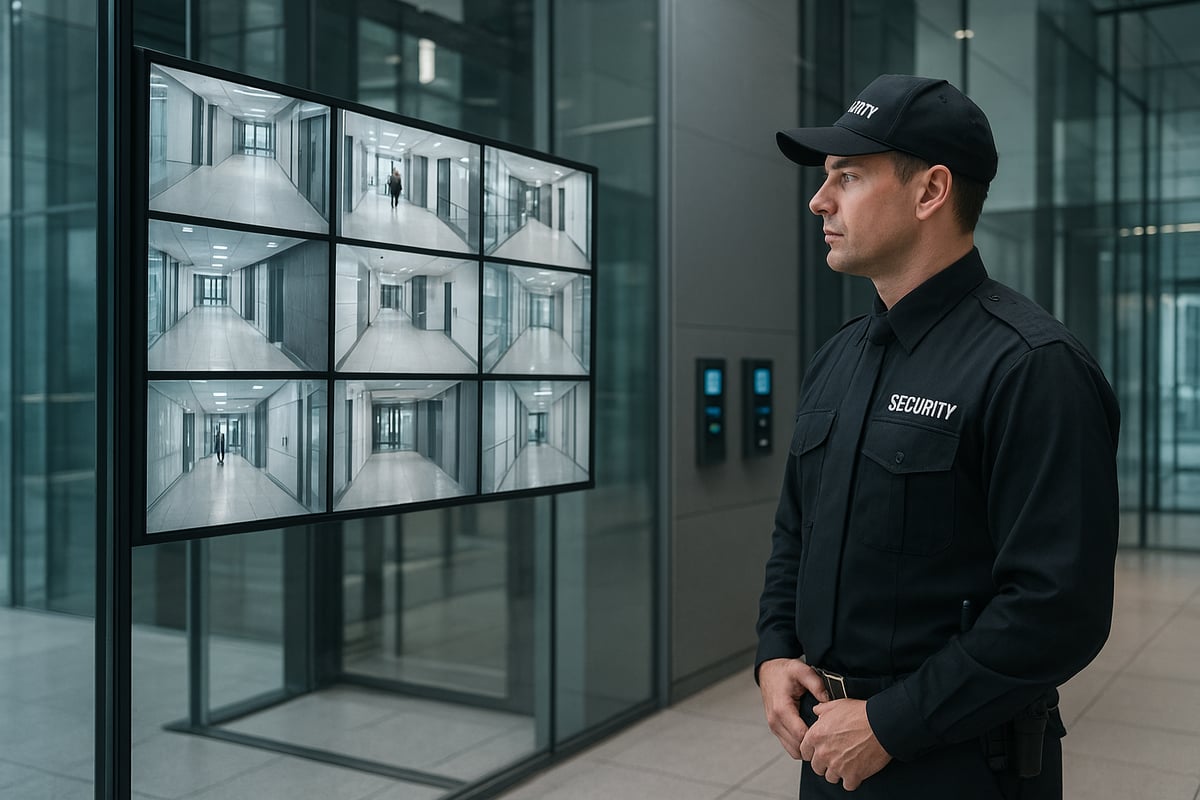
Modern static security now leverages AI-powered cameras and analytics to detect threats more quickly and accurately than ever before. These systems monitor live video feeds, flagging unusual behavior or unauthorized access attempts in real time. For example, AI analytics can identify loitering, tailgating, or suspicious movements at entry points, giving static guards the information they need to respond immediately.
The rise of AI in security is also fueled by the broader surge in automated cyberthreats and physical breaches. As highlighted in this AI-driven surge in cyberthreats report, automation is making threats more sophisticated, which means static security must adapt with equally advanced solutions.
Importantly, AI does not replace the human element. Instead, it empowers static security professionals to make faster, better decisions and focus on areas where human judgment is critical.
Mobile Apps and Real-Time Reporting
Mobile technology is another game-changer for static security teams in commercial settings. Guards now use secure mobile apps to log incidents, conduct digital check-ins, and communicate instantly with supervisors or emergency services.
Digital shift reports and incident logs streamline compliance and accountability, reducing paperwork and errors. Real-time reporting ensures that issues are addressed promptly and that all activity is documented for future review.
With these tools, static security staff can respond faster, share updates instantly, and maintain a clear record of every event. This agility directly improves both security outcomes and client satisfaction.
Integrating Security with Facility Management Systems
Today’s commercial properties benefit from integrating static security into broader facility management platforms. Centralized dashboards bring together security monitoring, cleaning schedules, and maintenance alerts, making it easier to coordinate responses and allocate resources efficiently.
For example, when a static security guard identifies a maintenance issue during patrol, they can log it directly into the system, triggering an immediate response from the facilities team. This integrated approach reduces downtime and ensures that safety and operational needs are addressed together.
By embracing these technologies, businesses strengthen their static security, improve efficiency, and deliver a safer environment for staff and visitors.
Training, Staffing, and Professional Standards
In commercial environments, the quality of your static security depends on robust recruitment, ongoing training, and unwavering professional standards. Ensuring each static security officer meets high expectations is essential for protecting assets, people, and reputation.
Recruitment and Vetting Best Practices
Effective static security starts with careful recruitment. Every candidate should undergo comprehensive background checks and must hold valid SIA licenses. This ensures only trustworthy and qualified individuals join your team.
Regular vetting is not a one-time event. Ongoing performance reviews and compliance checks help maintain high standards. For example, a distribution center avoided insider threats by consistently reviewing staff credentials and monitoring behavior.
Partnering with a provider that maintains top-tier accreditations, such as those outlined in the best security company credentials, reinforces your static security program. These credentials demonstrate commitment to compliance and industry standards, providing added assurance for your business.
Continuous Training and Skills Development
Ongoing training is vital for static security officers to keep pace with evolving risks. Mandatory modules should cover conflict management, first aid, and the latest technology used on site.
Scenario-based drills, such as simulated evacuations or emergency response exercises, prepare guards for real-life incidents. Refresher courses are key to maintaining sharp skills and adapting to new threats.
Data consistently shows that static security professionals with advanced training deliver better outcomes and command higher salaries. Investing in skills development translates directly into improved safety and service quality.
Customer Service and Communication Skills
Today's static security officers must excel in both protection and customer service. They serve as the first point of contact for visitors, clients, and staff, making communication skills essential.
Key customer service skills for static security include:
- Professional, approachable demeanor
- Clear verbal and written communication
- Effective de-escalation techniques
- Ability to manage queries and provide assistance
A recent example from a commercial office saw positive visitor feedback after guards handled a stressful situation with calm professionalism. When static security teams balance vigilance and hospitality, they help create a welcoming, safe environment for everyone.
Implementing a Static Security Plan: Step-by-Step Guide
Establishing a robust static security plan is crucial for safeguarding commercial properties in 2025. A systematic approach ensures your business is protected from evolving threats and remains compliant with regulations. The following step-by-step guide outlines how to effectively design, deploy, and refine a static security strategy suited for your unique environment.
Risk Assessment and Site Survey
The first step in any static security plan is a thorough risk assessment. Begin by surveying your site, focusing on entry points, blind spots, and areas with high-value assets. Walk the property with a checklist to document vulnerabilities such as poor lighting, unsecured doors, or outdated surveillance.
Key actions include:
- Mapping all access points and asset locations
- Reviewing incident history and recent threats
- Consulting with staff and facility managers for insights
For example, a recent security audit at a business park uncovered gaps in access control, which led to immediate upgrades. Taking this proactive approach allows you to prioritize measures that address your most pressing risks and lay a strong foundation for static security.
Customizing Security Protocols
Once risks are identified, tailor your static security protocols to match the specific needs of your commercial site. Develop clear procedures for access control, visitor management, and emergency response. Assign roles and escalation paths so every team member knows their responsibility in the event of an incident.
Consider collaborating with facilities management to ensure security measures align with cleaning and maintenance schedules. This holistic coverage prevents operational blind spots. Reviewing comprehensive security services can also help integrate static security with broader solutions, maximizing efficiency.
Checklist for customization:
- Define site-specific procedures for each risk
- Set up credential verification and visitor logging
- Establish communication channels for emergencies
Monitoring, Review, and Continuous Improvement
Static security is not a set-and-forget solution. Ongoing monitoring and regular reviews are essential for maintaining effectiveness. Set key performance indicators (KPIs) such as incident response times, access control success rates, and customer service feedback.
Monthly reviews of protocol performance can reveal trends or areas for improvement. For instance, a business that conducted monthly performance reviews found that adjusting guard deployment reduced response times and improved coverage. Adopting principles from Continuous Threat Exposure Management supports proactive identification of new vulnerabilities and ensures your static security plan evolves with changing risks.
Key steps for improvement:
- Analyze incident data and adjust protocols
- Update training based on review findings
- Communicate changes to all stakeholders
With a structured approach to risk assessment, protocol customization, and continuous monitoring, your organization can achieve a resilient static security posture that adapts to the demands of 2025.
[Why Choose Professional Static Security Services?] (If Relevant)
Choosing a professional static security provider is a strategic investment for any commercial business. In 2025, the risks facing offices, warehouses, and retail environments demand skilled, reliable protection that only qualified experts can deliver.
Ablou Facilities brings proven expertise in static security across Devon and the South West, including Exeter, Torquay, and Plymouth. Our team consists of fully qualified, SIA-licensed static guards who understand the unique demands of commercial sites.
Our static security services include:
- 24/7 on-site presence for maximum deterrence
- Seamless integration with cleaning and facilities management
- Rapid incident response and real-time reporting
Compliance is our top priority. We ensure all security staff meet the latest regulatory standards, so your business avoids costly fines and reputational risks. Our guards are trained not just in protection, but also in customer service, providing a safe and welcoming environment for staff and visitors.
For tailored static security solutions that protect your people, property, and operations, contact Ablou Facilities Ltd for a free consultation. We are committed to your safety every step of the way.
As we’ve explored, effective static security in 2025 is about more than just having a visible presence—it’s about combining skilled people, smart technology, and a tailored plan that addresses your site’s unique risks. If you’re ready to strengthen your business’s protection and want guidance from a trusted team with decades of experience across Devon, we’re here to help. You deserve solutions that are proactive, compliant, and seamlessly integrated with your operations. Let’s work together to make your environment safer and more secure—Contact the team today to get started.