A spotless retail environment is no longer just a preference—it is a decisive factor for customer loyalty in 2025. Recent surveys reveal most shoppers now expect visible cleanliness, and many choose where to shop based on hygiene standards. With new regulations and higher expectations, finding the right retail cleaning service has never been more critical.
This guide explores the evolving demands of retail cleaning, regulatory changes, essential cleaning processes, the latest technologies, tips for choosing a provider, and sustainable practices. Ready to raise your standards? Discover how to upgrade your cleaning protocols and exceed customer expectations in the coming year.
The Evolving Landscape of Retail Cleaning in 2025
Retail cleaning service expectations are transforming in 2025 as both customers and regulators demand higher standards than ever before. Retailers must adapt their cleaning protocols to remain competitive and compliant. Let us examine the key trends shaping this vital sector.
Changing Customer Expectations
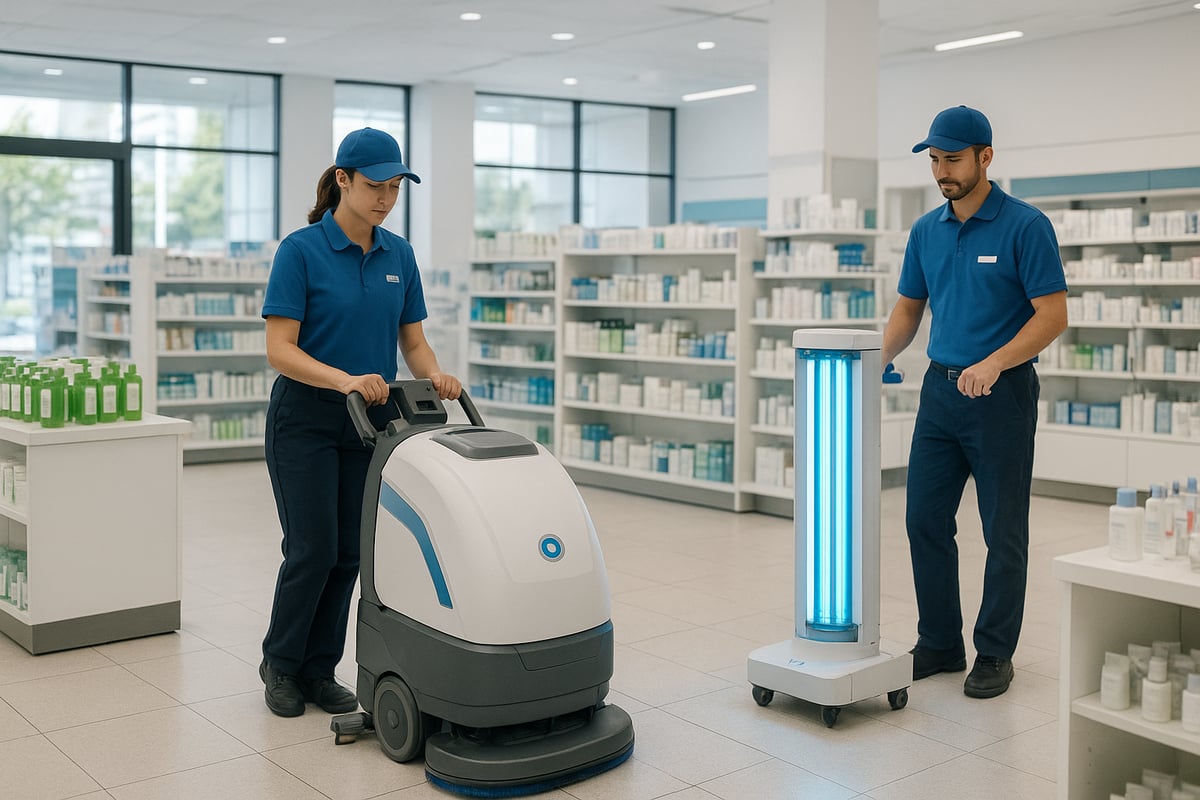
Since the pandemic, hygiene is now a top priority for shoppers. Customers want to see cleaning teams in action, which directly boosts trust and shopping frequency. In fact, 72% of shoppers say they are more likely to return to stores where the retail cleaning service is visible and active. According to the Q1 2025 Cleaning and Hygiene Market Snapshot, this visible commitment to cleanliness is now a key competitive advantage.
Regulatory and Compliance Updates
Retail cleaning service providers in the UK and EU face stricter regulations in 2025. Health and safety requirements for commercial spaces have expanded, requiring documented cleaning schedules and chemical safety compliance. Non-compliance can lead to financial penalties, legal action, or even temporary closure, making it essential for every retailer to stay updated and audit their practices regularly.
Advances in Cleaning Standards
Industry standards for retail cleaning service delivery have risen sharply. Organizations like BICSc and Safe Contractor are setting benchmarks for cleaning high-traffic zones. COSHH compliance is now critical for managing cleaning chemicals safely. Retailers must ensure protocols are updated to align with these evolving standards, protecting both staff and customers.
Impact of Technology on Retail Cleaning
Smart cleaning equipment is revolutionizing how retail cleaning service teams operate. IoT-enabled devices monitor cleanliness levels and automate schedules for better efficiency. UV-C disinfection robots are increasingly common in major UK retail chains, delivering consistent, thorough sanitation and freeing up staff for other tasks.
Staff Training and Professionalism
Continuous training is now a must for every retail cleaning service team. Professional accreditations, such as through BICSc, are often required. Well-trained staff not only ensure higher cleaning standards but also represent the retailer’s commitment to health and safety. Investing in regular upskilling is essential for maintaining compliance and customer satisfaction.
Cost Implications and Value
Retailers are experiencing rising costs for cleaning supplies and labour. To maximise value from a retail cleaning service, consider:
- Balancing quality with budget constraints
- Evaluating ROI for premium services
- Tracking cost savings from improved efficiency
Prioritising high standards protects your brand and delivers measurable returns.
Step-by-Step Retail Cleaning Service Process
Maintaining a spotless retail environment is a multi-stage process that requires organization, expertise, and strict adherence to standards. An effective retail cleaning service follows a series of structured steps to ensure every area meets both regulatory and customer expectations.
Initial Assessment and Planning
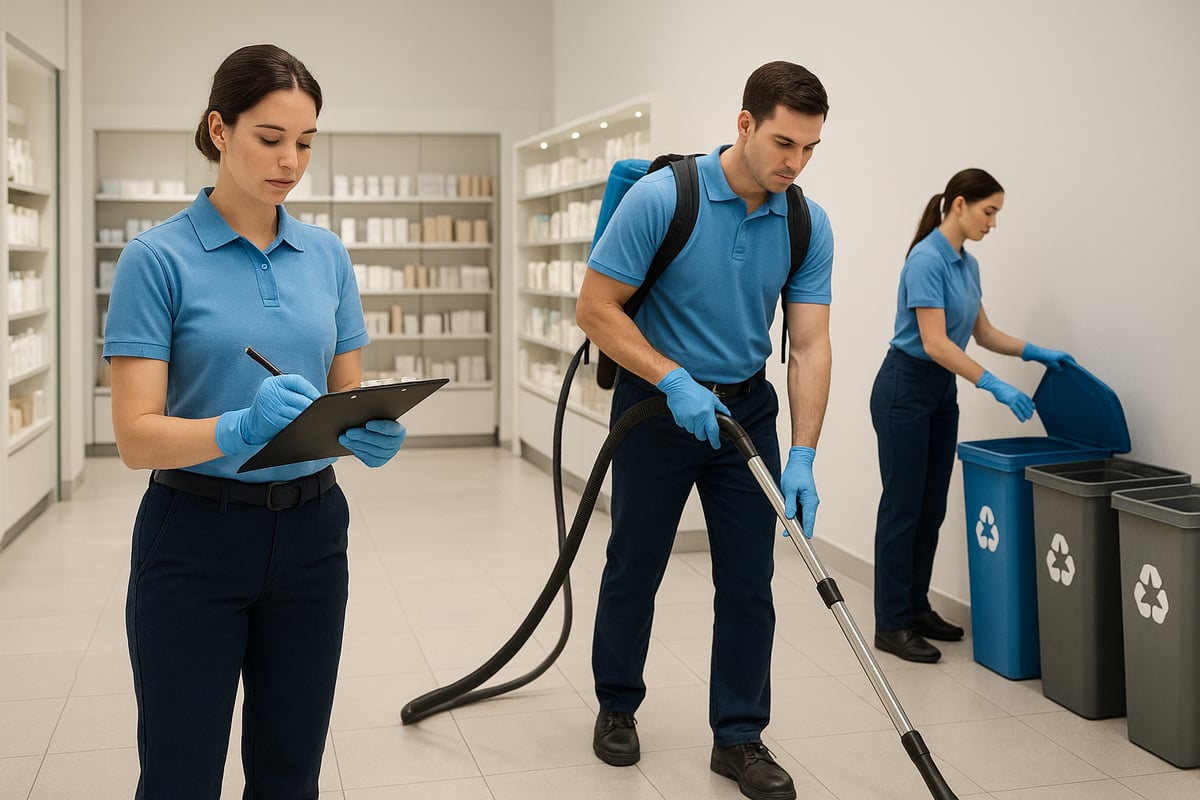
Every retail cleaning service begins with a comprehensive site survey and risk assessment. Professionals identify high-traffic and high-touch zones, such as entrances, checkouts, and restrooms, which require focused attention.
A tailored cleaning plan is then developed, factoring in the store layout and trading hours to minimize disruption. This stage also reviews compliance needs and safety protocols. For a deeper look at how these processes are structured in commercial settings, see cleaning services for commercial buildings.
Daily Cleaning Procedures
Routine tasks form the backbone of a reliable retail cleaning service. Daily procedures include sweeping, mopping, vacuuming, and dusting all open areas. Surfaces like door handles, payment terminals, and shelving are disinfected regularly to reduce cross-contamination.
Restroom cleaning is prioritized, with protocols ensuring all fixtures are sanitized, supplies are replenished, and floors remain dry and safe. These daily routines keep the retail space welcoming and compliant.
Periodic Deep Cleaning Tasks
Beyond daily routines, a retail cleaning service schedules periodic deep cleans. These sessions target flooring, carpets, and upholstery with specialist equipment designed to lift embedded dirt and stains.
Windows, facades, and signage are also cleaned to maintain the store’s curb appeal. Deep cleaning may be scheduled during off-hours to prevent interference with business operations and customer experience.
Waste Management and Recycling
Effective waste management is a cornerstone of any retail cleaning service. Staff segregate waste into general, recyclable, and hazardous categories, ensuring compliance with local regulations.
Recycling initiatives are promoted, with retailers often reducing landfill waste significantly by adopting improved protocols. Proper waste handling not only supports sustainability goals but also maintains a safe, clean environment for customers and staff.
Quality Assurance and Inspections
Regular audits are essential to verify that all cleaning standards are met. Retail cleaning service providers use checklists and digital inspection tools to document each task, ensuring accountability.
Feedback processes with store management help identify areas for improvement. This ongoing review cycle upholds quality and supports continuous service enhancement.
Emergency and Incident Response
Unexpected incidents, such as spillages or biohazards, require immediate action. Retail cleaning service teams are trained to respond quickly, containing hazards and documenting incidents thoroughly.
Rapid response minimizes risks, prevents accidents, and helps retailers avoid legal issues. Having a dedicated response protocol ensures the business can maintain operations even during emergencies.
Essential Technologies and Innovations in Retail Cleaning
The retail cleaning service sector in 2025 is experiencing rapid transformation, driven by new technologies and shifting business priorities. Retailers are adopting cutting-edge solutions to deliver superior hygiene, efficiency, and transparency. Let’s explore the essential innovations shaping professional retail cleaning service delivery.
Automated and Robotic Solutions
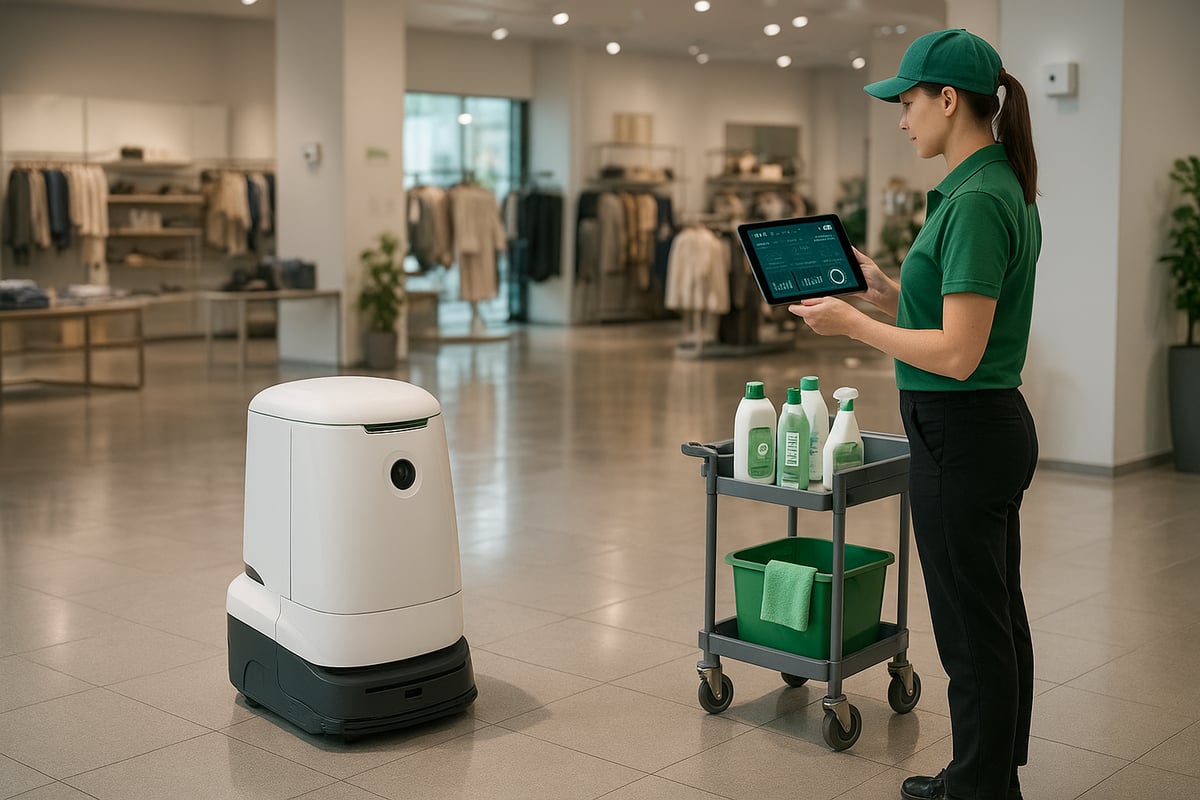
Autonomous cleaning robots are revolutionizing the retail cleaning service landscape. Major chains now deploy robotic scrubbers and vacuums to maintain floors in high-traffic areas throughout the day.
Robotic solutions deliver consistent cleaning, reduce manual labor, and allow staff to focus on detailed tasks. For example, Tesco’s adoption of robotic cleaners has increased operational efficiency and reduced downtime.
Retailers using automated systems benefit from reliable performance and real-time monitoring, ensuring that cleaning standards are always met.
Eco-Friendly Cleaning Products
Sustainability is at the forefront of every modern retail cleaning service. Retailers are moving away from harsh chemicals, opting for green, non-toxic cleaning agents that are safer for both staff and customers.
Regulatory requirements and consumer demand are driving this shift. In fact, 40 percent of UK retailers have already transitioned to eco-certified products. For a deeper dive into these trends, see The Top 10 Cleaning Industry Trends You Should Know In 2025.
By integrating eco-friendly products, retailers improve indoor air quality and demonstrate their commitment to environmental responsibility.
IoT and Smart Monitoring Systems
Smart monitoring systems are redefining how retail cleaning service teams manage their operations. IoT sensors track cleanliness levels, restroom supply inventory, and equipment usage in real time.
These systems send instant alerts when attention is needed, ensuring fast response and minimizing disruption. Integration with facility management software streamlines reporting and scheduling.
Retailers adopting IoT solutions gain greater visibility, enabling proactive maintenance and reducing the risk of issues escalating.
Data Analytics for Cleaning Optimization
Data analytics is becoming indispensable for optimizing retail cleaning service routines. By analyzing footfall patterns and cleaning performance metrics, managers can predict peak times and allocate resources efficiently.
Performance dashboards help supervisors monitor team productivity and identify areas for improvement. In multi-site operations, analytics have reduced cleaning costs by up to 15 percent.
Leveraging data leads to smarter decisions, better budgeting, and measurable gains in hygiene outcomes.
UV-C and Electrostatic Disinfection
Advanced disinfection methods are now standard in the retail cleaning service industry. UV-C robots and electrostatic sprayers deliver rapid, thorough decontamination of surfaces, especially in high-touch zones.
These technologies require specialized training and strict adherence to safety protocols. For example, flagship London stores have implemented electrostatic spraying to ensure comprehensive coverage.
Deploying these innovations sets a new bar for hygiene and reassures both staff and shoppers.
Mobile Apps for Team Coordination
Retail cleaning service teams rely on mobile apps for seamless coordination. These platforms enable staff to receive schedules, report completed tasks, and communicate incidents instantly.
Apps enhance accountability, support faster response to emergencies, and provide real-time updates for management. Digital documentation also simplifies compliance and performance reviews.
By using smart tools, cleaning teams can deliver consistent, high-quality results across every retail location.
Choosing the Right Retail Cleaning Service Provider
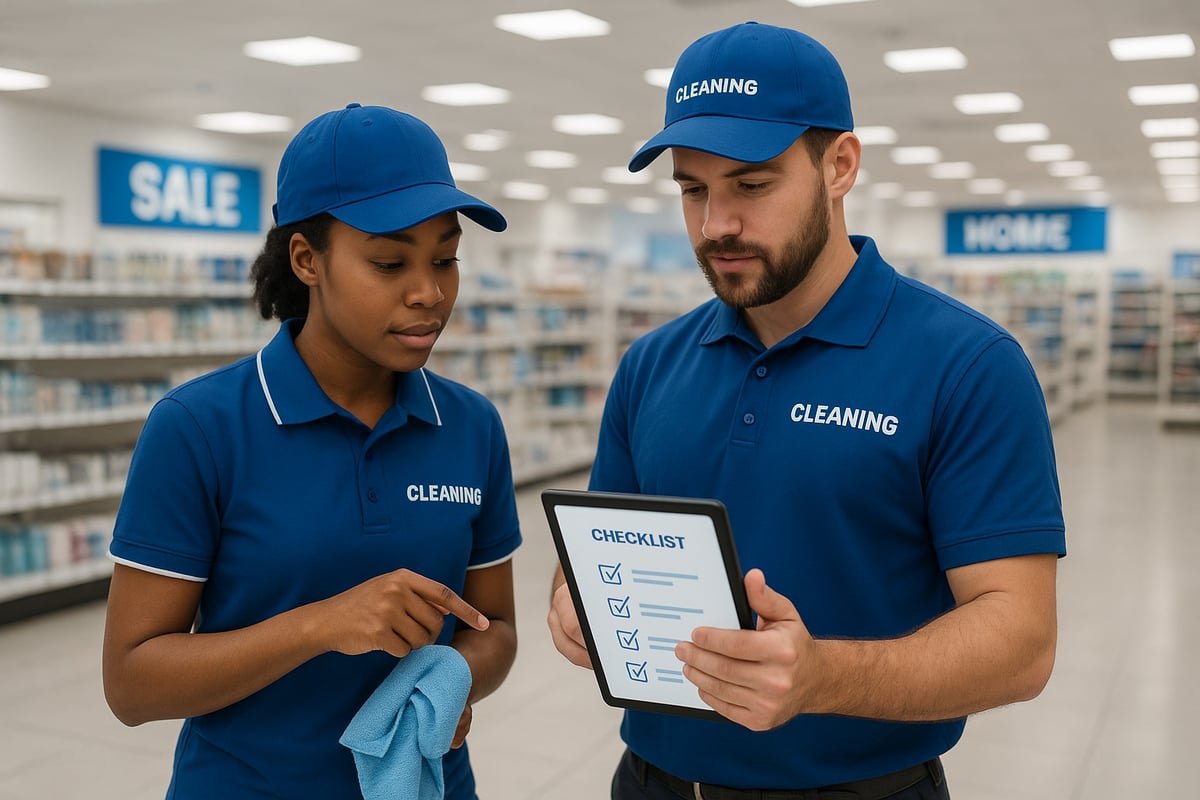
Selecting a retail cleaning service is a critical decision for any retailer aiming for spotless, compliant, and inviting environments. The right partner ensures cleaning excellence and supports business goals. Here is how to make a confident choice.
Key Evaluation Criteria
Begin by assessing a provider’s experience in commercial and retail settings. Look for relevant accreditations such as BICSc and Safe Contractor, and confirm COSHH compliance for chemical safety. Flexibility to clean outside trading hours is essential for minimal disruption. Choosing a professional cleaning service for businesses ensures your retail operation benefits from tailored expertise, up-to-date practices, and regulatory alignment.
Customization and Scalability
Your retail cleaning service must adapt to your store’s unique size, layout, and customer traffic. The best providers offer scalable solutions, increasing resources during peak trading periods or events. National chains, for example, often require seamless multi-site coordination. Custom plans should address specific zones and business hours, ensuring consistent quality across all locations.
Staffing, Training, and Vetting
A reputable retail cleaning service invests in thorough background checks for staff and provides ongoing professional training. Accreditations and certifications demonstrate commitment to industry standards. Cleaning staff should also possess strong customer service skills, creating a positive impression on shoppers while maintaining high hygiene levels.
Service Level Agreements and KPIs
Defining clear service level agreements (SLAs) is essential. These documents outline measurable cleaning standards, emergency response times, and complaint resolution processes. Regular performance reviews and reporting keep both parties accountable, ensuring the retail cleaning service consistently meets your expectations.
Cost Transparency and Value
Understand how your retail cleaning service structures pricing, whether per hour, per square foot, or as package rates. Scrutinize for hidden fees and clarify what is included. Investing in a high-standard provider often delivers strong ROI through reduced risks and enhanced customer satisfaction, making quality just as important as cost.
Sustainability and Green Cleaning Practices for Retailers
Retailers are increasingly prioritizing sustainability in their retail cleaning service strategies. Sustainable cleaning not only reduces environmental impact but also enhances a retailer’s reputation. By integrating green practices, businesses can create healthier spaces for shoppers and staff. Achieving certifications such as ISO 14001 signals a true commitment to environmental stewardship, which resonates with eco-conscious consumers.
Benefits of Sustainable Cleaning
Embracing sustainability in a retail cleaning service brings measurable benefits. Retailers reduce their carbon footprint and boost their corporate image, attracting environmentally aware customers. Healthier cleaning methods lead to improved indoor air quality, benefiting both staff and shoppers. For example, many retailers now highlight their ISO 14001 certification as proof of their green commitment, helping them stand out in a competitive market.
Eco-Friendly Products and Equipment
Selecting eco-friendly agents and equipment is a core part of a modern retail cleaning service. Retailers look for products with third-party certifications, such as EU Ecolabel, to ensure safe, non-toxic cleaning. Energy-efficient machinery, like low-water scrubbers and microfiber technology, further reduces resource usage. According to Trends Shaping the $56B+ Professional Cleaning Products Industry 2025-2034, nearly 40% of UK retailers have switched to eco-certified products, demonstrating a clear industry shift.
Waste Reduction and Recycling Initiatives
Modern retail cleaning service protocols emphasize waste reduction and recycling. Retailers implement closed-loop recycling systems and train staff on proper segregation. Many have seen landfill waste drop by 25% or more through these programs. By focusing on recycling and reusing materials, companies not only meet regulatory requirements but also save on disposal costs and appeal to eco-minded shoppers.
Water and Energy Conservation
Water and energy conservation are essential components of sustainable retail cleaning service delivery. Retailers are adopting low-water cleaning methods, such as spray-and-vac systems, and scheduling cleaning during off-peak energy hours. This approach reduces utility expenses and environmental impact. Night cleaning also takes advantage of lower energy rates, supporting a more sustainable operation.
Staff Engagement in Sustainability
A successful retail cleaning service relies on staff engagement. Training programs teach teams how to use eco-friendly products and conserve resources. Some retailers incentivize green behaviors with recognition awards. When cleaning staff are invested in sustainability, they are more likely to follow best practices, reinforcing the company’s environmental goals and creating a culture of responsibility.
Communicating Sustainability to Customers
Retailers must communicate their sustainability efforts to maximize impact. In-store signage, digital updates, and customer newsletters highlight green initiatives. Sharing details about a retail cleaning service’s eco-friendly practices helps build trust and differentiates the brand in a crowded marketplace. Informed customers are more likely to support stores that share their values.
As we look ahead to 2025, maintaining a spotless, safe retail environment is more essential than ever—customers expect visible cleaning routines, regulations are evolving, and innovative technologies are reshaping the industry. If you want to ensure your retail space not only meets but exceeds these new standards, our experienced team at Ablou Facilities is here to help. We understand the unique challenges retailers face, from sustainability goals to rapid response needs, and tailor our solutions to fit your exact requirements. If you’re ready to elevate your cleaning protocols, Contact the team today.