Spotless shared spaces are more important than ever in 2025, as businesses strive to meet rising standards and expectations. Communal area cleaning is not just about appearances—it actively protects health, ensures safety, and strengthens your business’s professional image.
This article shares practical, current advice for maintaining pristine communal areas in offices, retail, and commercial buildings. You will discover seven essential tips, with insights on smart scheduling, sustainable cleaning, and leveraging new technology.
Ready to transform your commercial environment? Explore proven strategies that keep your shared spaces inviting, hygienic, and future-ready.
The Importance of Communal Area Cleaning in Commercial Spaces
Maintaining high standards of communal area cleaning is more than a matter of appearance; it directly affects the health and safety of everyone in a commercial building. Shared spaces like office lobbies, corridors, and kitchens see constant use, making them hotspots for germs and potential hazards. Consistent cleaning reduces the risk of illness and prevents accidents such as slips or trips, ensuring a safer environment for staff and visitors alike.
A spotless communal area also plays a critical role in shaping a business’s reputation. Clients, customers, and prospective partners form rapid impressions based on cleanliness. In fact, research confirms that clean environments contribute to higher employee productivity and greater customer satisfaction. For a deeper look at these benefits, review the Impact of Clean Environments on Productivity.
In 2025, regulatory expectations for communal area cleaning have grown even stricter. Post-pandemic standards demand visible, thorough cleaning, with legal and industry guidelines that require regular audits and documentation. Businesses that meet or exceed these standards not only avoid penalties but also demonstrate a commitment to the well-being of everyone who enters the space.
Regular maintenance of communal areas is also a smart financial decision. Ongoing cleaning prevents the buildup of grime and damage, reducing the need for expensive restorative work. For example, routine disinfection in shared office kitchens can help prevent outbreaks, while prompt attention to lobby floors minimizes slip hazards. Ultimately, investing in communal area cleaning fosters a sense of pride and shared responsibility among employees and visitors, reinforcing a positive and professional atmosphere.
7 Essential Communal Area Cleaning Tips for 2025
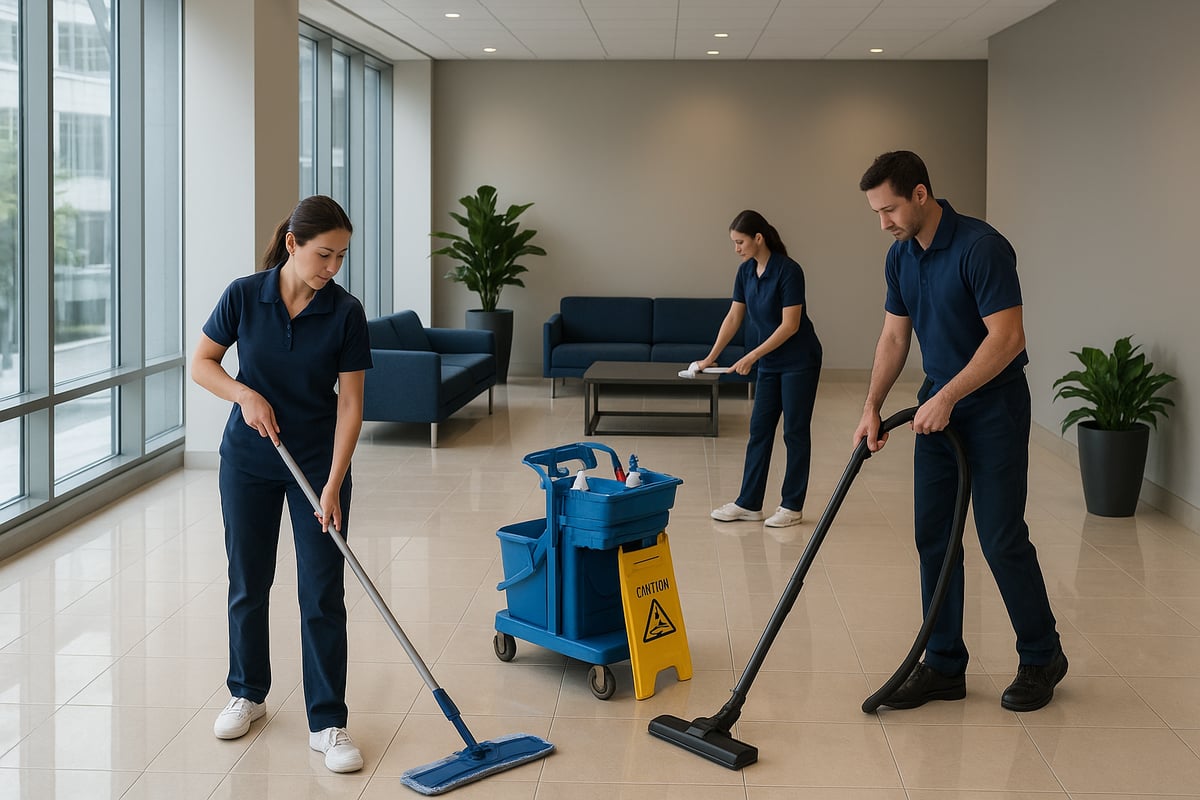
Keeping up with communal area cleaning in commercial environments has become more complex and critical than ever. In 2025, expectations for hygiene, sustainability, and efficiency are at an all-time high. The following seven tips will help you maintain spotless, healthy, and welcoming shared spaces, ensuring your business stays competitive and compliant.
1. Establish a Smart Cleaning Schedule
A well-structured cleaning schedule is the foundation of effective communal area cleaning. Start by breaking down daily, weekly, and monthly tasks to cover every aspect of your commercial space.
Use digital scheduling tools or apps to assign responsibilities and track progress. This approach ensures accountability among cleaning staff or teams. Adjust the frequency of tasks based on foot traffic and seasonal trends. For instance, lobbies and entryways often need more frequent cleaning than conference rooms due to higher usage.
A smart schedule reduces the risk of missed tasks and supports consistency. By leveraging technology, you can streamline communal area cleaning routines and respond to changes quickly. For more on tailored cleaning solutions, see the Commercial cleaning services overview.
2. Prioritize High-Touch and High-Traffic Areas
Focusing on high-touch and high-traffic spaces is essential for communal area cleaning. Identify hotspots like door handles, elevator buttons, reception desks, and shared equipment, as these surfaces are common vectors for germs.
Implement checklists to ensure these areas are disinfected regularly. Use EPA-approved disinfectants compliant with 2025 standards for maximum safety. Data consistently show that high-touch surfaces contribute significantly to the spread of illness in workplaces.
For example, access control panels in office buildings should be wiped down daily. This targeted approach to communal area cleaning not only limits germ transmission but also reassures occupants and visitors of your commitment to health.
3. Implement Eco-Friendly and Sustainable Cleaning Practices
Sustainability is now a central pillar of communal area cleaning. Transition to green cleaning products with recognized certifications, such as the EU Ecolabel, to minimize environmental impact.
Switch out single-use plastics for reusable microfiber cloths and install refill stations for cleaning solutions in janitorial closets. These changes improve indoor air quality and reduce your facility’s ecological footprint.
Surveys indicate that 70 percent of businesses are ramping up sustainability initiatives by 2025. Making eco-friendly choices in communal area cleaning not only benefits the environment but also appeals to clients and employees who value corporate responsibility.
4. Leverage Technology and Automation
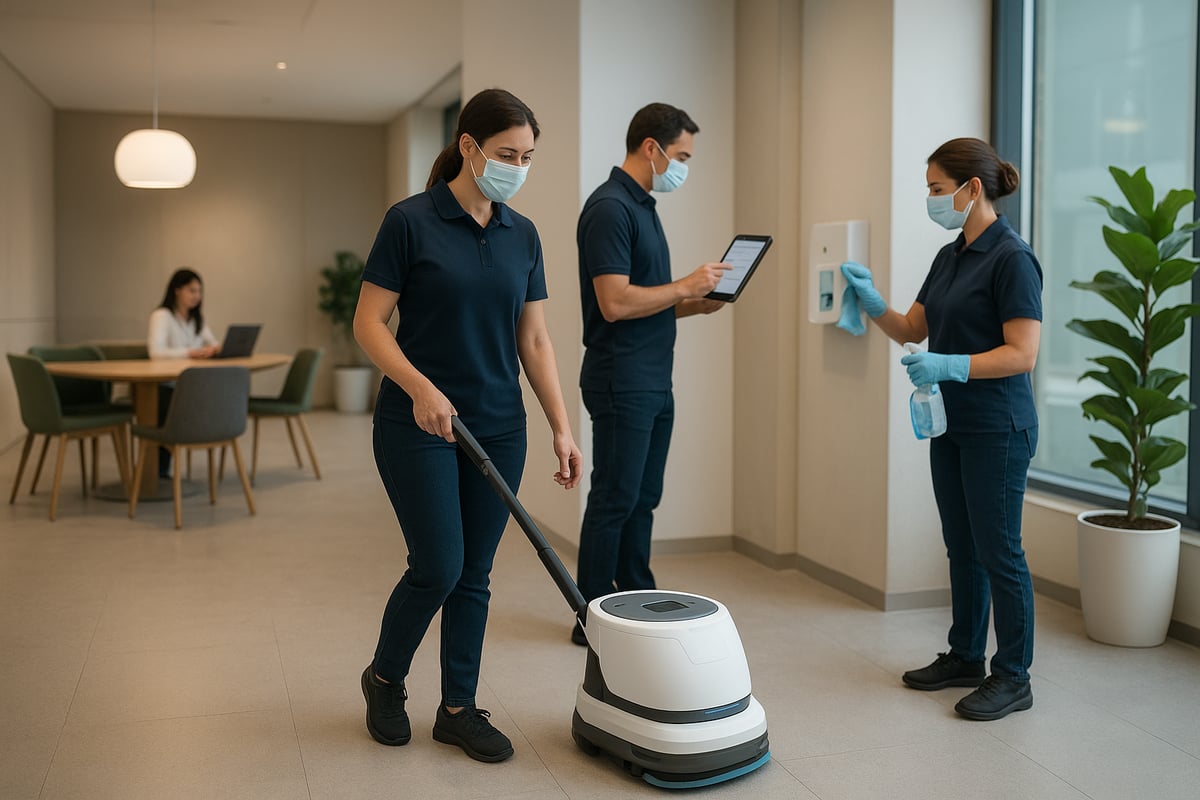
Modern technology is revolutionizing communal area cleaning. Incorporate robotic floor cleaners and automated dispensers to boost efficiency and free up staff for more detailed tasks.
Utilize IoT sensors to monitor supply levels and occupancy, enabling you to tailor cleaning routines to actual usage patterns. Integrating digital cleaning logs with building management systems provides real-time transparency and facilitates performance tracking.
Smart bins that alert staff when they need emptying are just one example of how automation supports communal area cleaning. These innovations reduce labor costs while ensuring high standards of cleanliness and accuracy.
5. Engage Occupants in Communal Cleanliness
Effective communal area cleaning involves everyone in the building. Launch awareness campaigns and display clear signage to encourage shared responsibility for cleanliness.
Place accessible sanitation stations with hand sanitizer and wipes throughout communal spaces to empower occupants. Implement easy reporting systems—such as QR codes or mobile apps—so staff can quickly flag issues.
“Clean Desk” policies in co-working environments exemplify how occupant engagement can sustain high levels of cleanliness. When everyone participates in communal area cleaning, the results are more consistent and long-lasting.
6. Adapt Cleaning Protocols for Emerging Health Risks
The public health landscape is always evolving, so communal area cleaning protocols must remain flexible. Stay informed about the latest guidelines and adapt your procedures to meet new requirements.
Train cleaning teams on emerging disinfectants and personal protective equipment standards. Prepare rapid response plans for potential outbreaks or contamination events, ensuring your facility can react swiftly and effectively.
For example, enhanced cleaning during flu season or in response to local health alerts demonstrates proactive risk management. This adaptability keeps your communal area cleaning compliant and safeguards the well-being of all occupants.
7. Regularly Audit and Review Cleaning Performance
Continuous improvement is vital for communal area cleaning success. Schedule regular inspections using digital audit tools, which provide transparency and accountability.
Collect feedback from building occupants and adjust cleaning protocols in response to concerns. Track key performance indicators, such as response times, complaint resolution rates, and cleanliness scores, to measure effectiveness.
Case studies reveal that consistent auditing can boost service quality by up to 30 percent. Monthly walk-throughs with facility managers and cleaning supervisors help maintain high standards and reinforce a culture of excellence in communal area cleaning.
Choosing the Right Commercial Communal Area Cleaning Provider
Selecting the right partner for communal area cleaning is crucial to maintaining a spotless commercial environment. The right provider not only ensures a consistently high standard but also adapts to your unique business needs. Here is how to make an informed choice for your facility.
What to Look for in a Professional Cleaning Company
When evaluating commercial cleaning providers, prioritize those with recognized industry certifications and proven compliance with 2025 health and safety standards. Experience in communal area cleaning, especially in busy environments, is a strong indicator of reliability.
Seek out companies that offer tailored cleaning plans and flexible scheduling to match your building’s requirements. Transparent pricing, clear contract terms, and a history of positive references are essential. A provider with a track record in communal area cleaning will help safeguard your business reputation and daily operations.
Questions to Ask Potential Providers
Before hiring a cleaning company, ask about their eco-friendly practices and the certifications of their products. Inquire how they train and vet their staff to ensure professionalism and safety in communal area cleaning.
Find out what technologies they use for efficiency and communication, such as digital cleaning logs or automated scheduling. Ask how they measure quality and if they can share relevant case studies or client testimonials. By focusing on these questions, you ensure your communal area cleaning needs are met with accountability and modern solutions.
Why Choose a Commercial Specialist Like Ablou Facilities
Ablou Facilities brings over 30 years of expertise in communal area cleaning across offices, leisure centers, and commercial spaces. Their fully trained, COSHH-compliant staff operate 24/7 throughout Devon and the South West, offering unmatched flexibility.
They provide customizable cleaning schedules, advanced digital reporting, and eco-friendly solutions tailored to each client. Trusted by leading organizations, Ablou Facilities is renowned for reliability and professionalism in communal area cleaning. Book a free consultation to assess your cleaning requirements and experience the difference.
Scheduling, Frequency, and Customizing Cleaning for Your Space
Creating an effective cleaning strategy begins with understanding what makes each commercial space unique. The right communal area cleaning schedule depends on factors like foot traffic, how each area is used, and the nature of your business operations.
High-traffic zones such as lobbies or corridors in office buildings usually need daily attention. Meanwhile, meeting rooms or staff lounges may only require weekly or bi-weekly cleaning. Leisure facilities and retail spaces, with fluctuating visitor numbers, benefit from flexible plans that adjust to seasonal peaks or special events.
Customizing your communal area cleaning routine ensures that every space is maintained to the highest standard. Many organizations now opt for tailored plans, which can be developed by working with providers who understand the demands of commercial environments. For businesses seeking expert support, office and business cleaning expertise can deliver fully personalized solutions.
Here’s a quick reference for typical cleaning frequencies:
| Area Type | Suggested Frequency | Notes |
|---|---|---|
| Lobby | Daily | High visibility, heavy use |
| Meeting Room | Weekly | Adjust for usage volume |
| Staff Kitchen | Daily | Hygiene-sensitive |
| Restrooms | 2x Daily | Essential for safety |
| Storage Areas | Monthly | Deep clean recommended |
Flexibility is key. Adjust schedules for events, seasonal surges, or unexpected needs. Facilities that implement customized communal area cleaning plans report higher satisfaction among employees and visitors, all while balancing cost with consistent results.
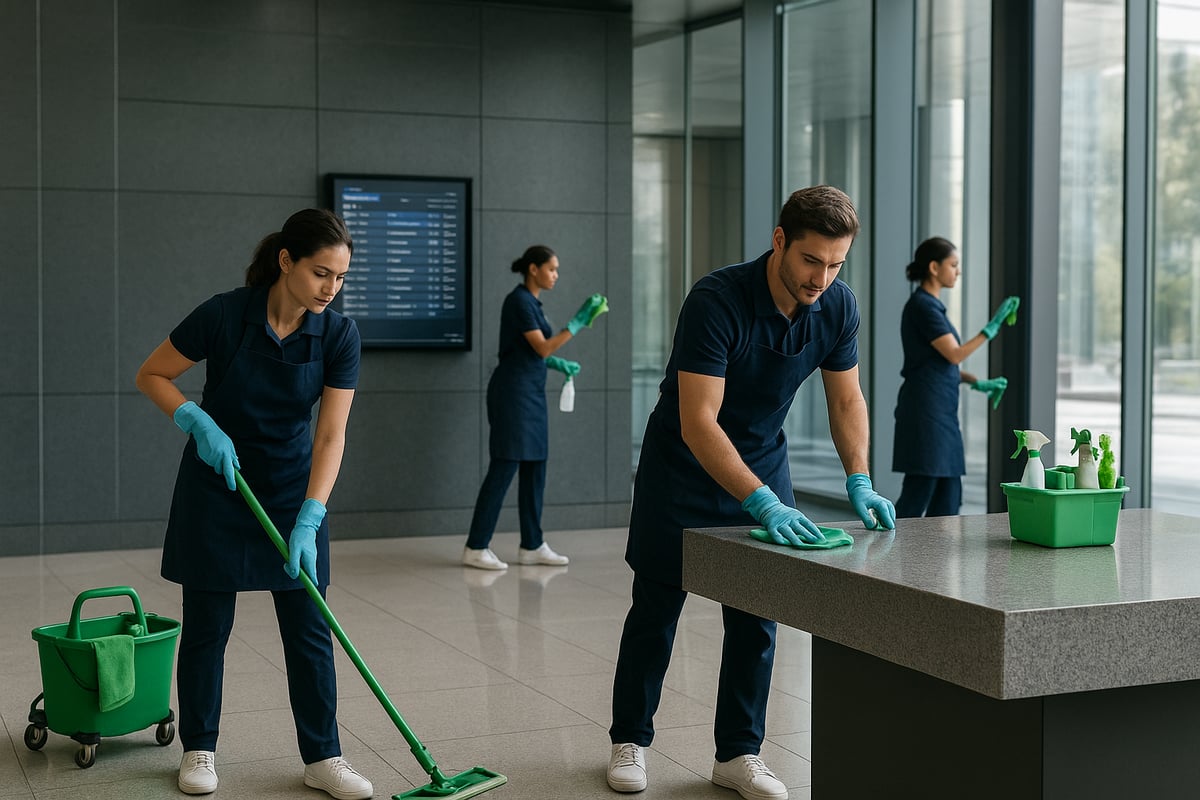
The Future of Communal Area Cleaning: Trends to Watch in 2025
The landscape of communal area cleaning is evolving rapidly in 2025, driven by emerging technologies and heightened expectations. Businesses are now prioritizing smarter, more sustainable cleaning strategies to keep pace with regulatory changes and occupant demands.
A major trend is the rise of AI-powered, data-driven solutions. Smart sensors and automated equipment enable real-time monitoring, optimizing cleaning routines and resource allocation. Transparency is also in high demand, with digital reporting systems offering instant updates on cleanliness levels and task completion. According to experts, touchless entry, UV-C disinfection, and advanced air purification systems are becoming standard in modern commercial spaces. For a deeper look at these innovations, see Emerging Technologies in Eco Cleaning.
Sustainability is at the forefront, with more companies adopting green products and earning eco-certifications. This shift not only benefits the environment but also supports occupant health and well-being. As outlined in the Top 10 Cleaning Trends for 2025, keeping up with communal area cleaning advancements is essential for maintaining compliance and creating value. Staying proactive ensures your facility remains both safe and competitive.
As we look ahead to 2025, keeping communal areas spotless is more important than ever for health, safety, and your business’s reputation. By following these essential cleaning tips—like using smart schedules, focusing on high-touch zones, and embracing eco-friendly methods—you’re already on the right path to a cleaner, more welcoming space. If you’d like tailored advice or professional support to elevate your cleaning standards, we’re here to help. Let’s work together to create a spotless environment that leaves a lasting impression—Contact the team today to discuss your communal area cleaning needs.