Maintaining high standards of cleanliness in commercial buildings is more critical than ever for health, safety, and business reputation in 2025. As industry standards rise and cleaning technologies evolve, expectations for hygienic workspaces continue to increase in the post-pandemic era. Professional cleaning services for commercial buildings help organizations meet regulatory requirements, support staff well-being, and create positive client impressions. This guide explores everything you need to know about cleaning services for commercial buildings, including service types, benefits, emerging trends, how to choose a provider, cost factors, and best practices for optimal results.
Understanding Commercial Cleaning Services
Commercial cleaning services for commercial buildings play a critical role in maintaining healthy, safe, and productive work environments. Unlike residential cleaning, which focuses on private homes, these services are tailored specifically for businesses and public facilities with unique needs and higher traffic.
Definition and Scope
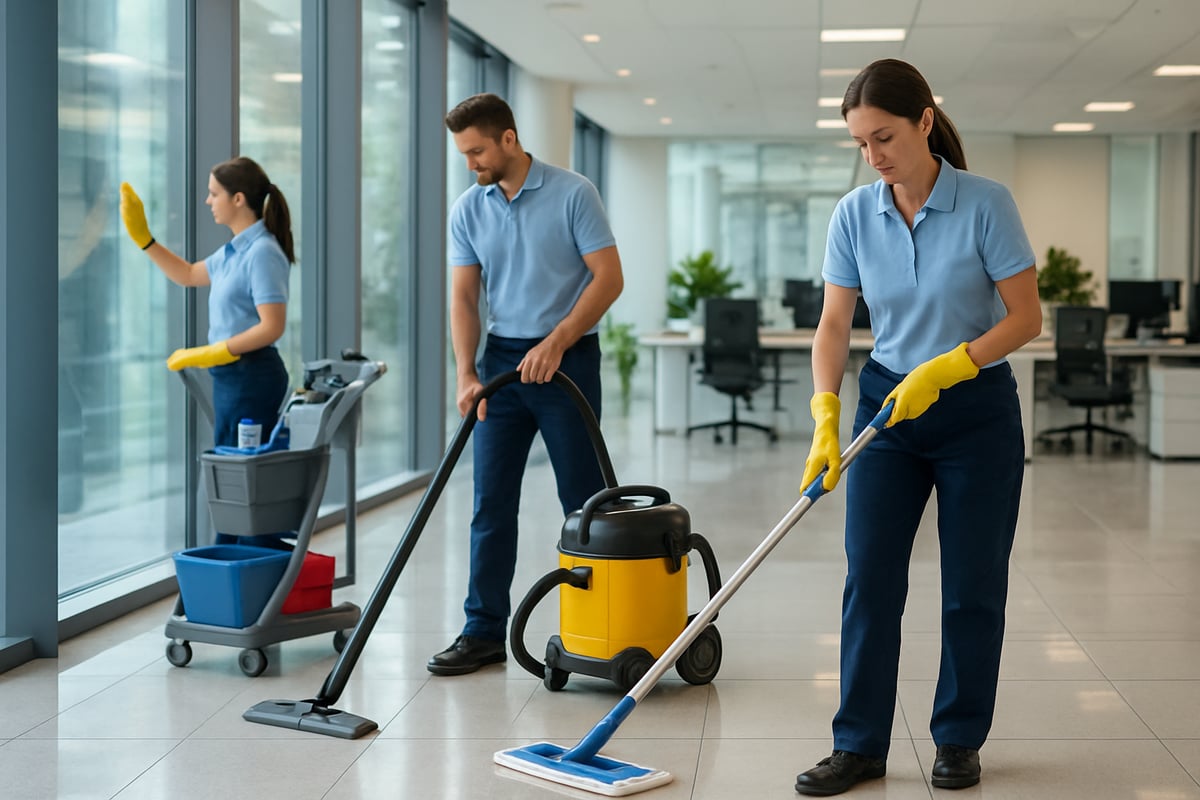
Cleaning services for commercial buildings encompass a broad range of solutions designed for business and institutional environments. These services differ from residential cleaning by addressing larger areas, stricter hygiene standards, and specialized compliance requirements.
Core services typically include:
- Daily office cleaning, such as dusting, vacuuming, and trash removal
- Carpet and floor care, including polishing and maintenance
- Window cleaning for both interior and exterior glass
- Restroom sanitation and supply restocking
- High-touch surface disinfection to reduce the spread of germs
Specialized offerings extend to:
- Deep cleaning for seasonal or periodic needs
- Eco-friendly cleaning that uses biodegradable products and reduces chemical exposure
- Emergency response cleaning after spills, accidents, or outbreaks
Clients for cleaning services for commercial buildings are diverse. They include:
- Corporate offices and headquarters
- Retail stores and shopping centers
- Healthcare facilities and clinics
- Educational institutions like schools and universities
- Industrial sites and warehouses
For example, a large office building may require daily cleaning of workspaces and common areas, with deep cleans scheduled quarterly to maintain hygiene and extend asset life. According to Statista, the global commercial cleaning market is projected to reach $468.2 billion by 2027, reflecting the growing demand for these essential services. To learn more about the range of available solutions, see Office and commercial cleaning services.
Key Benefits of Professional Cleaning
Investing in cleaning services for commercial buildings delivers measurable advantages. A clean environment supports employee productivity and morale, reducing absenteeism linked to illness or poor air quality.
A professionally cleaned facility enhances company image, creating a positive impression for clients, partners, and visitors. Compliance with health and safety regulations, such as COSHH and OSHA, is easier to achieve with expert cleaning teams who understand industry standards.
Preventive maintenance reduces long-term costs by protecting flooring, fixtures, and equipment from premature wear. For instance, a company that implemented regular disinfection protocols saw a significant decrease in sick days among its staff, highlighting the impact of consistent cleaning on overall well-being.
Latest Trends and Innovations in Commercial Cleaning 2025
Staying ahead of the curve is vital for any business relying on cleaning services for commercial buildings. The industry is evolving rapidly, with new approaches, smarter technologies, and stricter hygiene protocols shaping the way facilities are maintained. In 2025, these trends are driving higher standards and better outcomes for organizations of all sizes.
Green and Sustainable Cleaning
Sustainability is now a top priority for companies choosing cleaning services for commercial buildings. Businesses increasingly demand eco-friendly cleaning products, biodegradable supplies, and processes that minimize chemical use. LEED-certified and environmentally conscious buildings require strict adherence to green cleaning protocols.
A recent survey found that 70% of businesses prioritize sustainability when selecting cleaning contracts. Using green cleaning not only supports environmental goals but also ensures a healthier indoor environment for staff and visitors. For example, switching to non-toxic disinfectants and microfiber mops can significantly reduce a facility's carbon footprint. These practices are now a core expectation in the industry.
Technology Integration
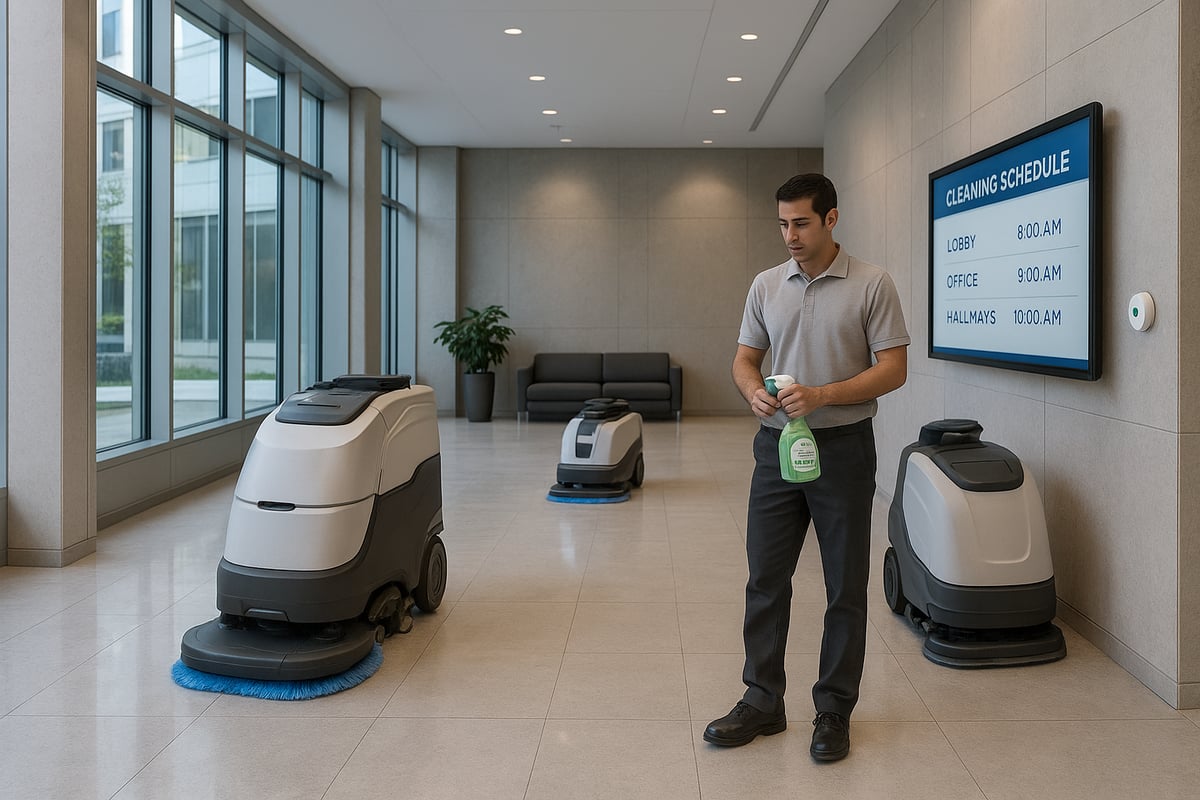
The integration of technology into cleaning services for commercial buildings is transforming efficiency and quality. Automation tools such as robotic vacuums and floor scrubbers are now common in large facilities. Smart sensors monitor cleanliness in real time, alerting teams when high-traffic areas need attention.
Digital apps streamline scheduling and quality control, allowing facility managers to track performance instantly. For instance, sensors in restrooms can trigger cleaning alerts based on usage data. The rise of robotics and artificial intelligence in cleaning is highlighted in Commercial Cleaning Industry Trends 2025, which showcases how these technologies are shaping the future of commercial cleaning.
Post-Pandemic Hygiene Standards
The pandemic has permanently raised expectations for cleaning services for commercial buildings. Enhanced disinfection protocols are now standard, especially for high-touch and high-traffic areas. Touchless cleaning technologies, like electrostatic sprayers, are widely adopted to minimize cross-contamination risks.
Ongoing staff training in infection control is crucial. Regulatory bodies like the CDC and HSE regularly update guidelines, making compliance a moving target. Facility managers must ensure cleaning teams receive continuous education on new procedures and products. This commitment builds trust among building occupants and visitors alike.
Data-Driven Cleaning
Facility managers now rely on analytics to optimize cleaning services for commercial buildings. Smart devices and software track occupancy patterns, revealing peak usage times and high-risk zones. This data enables teams to allocate resources more effectively and adjust schedules based on actual needs.
For example, analytics might show that certain meeting rooms require more frequent attention during busy hours. According to recent reports, 60% of facility managers use data-driven insights to fine-tune cleaning operations. This approach results in better cleanliness, resource savings, and improved satisfaction for everyone using the space.
How to Choose the Right Commercial Cleaning Provider
Selecting the right cleaning services for commercial buildings is a critical decision for any facility manager. The ideal provider will ensure your space remains healthy, safe, and welcoming, while meeting your unique operational needs. Below, you’ll find a step-by-step approach to guide your selection process.

Assessing Your Facility’s Needs
Begin with a thorough audit of your facility. Walk through each area, making note of cleaning requirements for offices, restrooms, kitchens, meeting rooms, and high-traffic zones. Identify spaces that require specialized attention, such as medical suites or food preparation areas.
Determine the frequency and timing of cleaning services for commercial buildings. Some spaces may need daily attention, while others require weekly deep cleans. For example, healthcare facilities benefit from daily disinfection, while standard offices may only need periodic intensive cleaning.
Create a list of high-priority areas and any unique needs. This ensures your cleaning plan is tailored for optimal hygiene and compliance with regulations.
Evaluating Provider Credentials
When researching cleaning services for commercial buildings, always verify the provider’s qualifications. Look for certifications such as ISO or Safe Contractor, which demonstrate adherence to industry standards. Check that the company carries adequate insurance and that all staff undergo background checks and professional training.
Ask for client testimonials and review case studies to gauge the provider’s track record. If your facility operates across multiple sites, select a company experienced in multi-site management. For a comprehensive overview of what to expect from qualified providers, review this commercial cleaning services company overview.
A reputable company will be transparent about their staff vetting process, ongoing training, and ability to adapt to changing requirements.
Comparing Proposals and Contracts
Request detailed proposals from several cleaning services for commercial buildings. Compare pricing models, such as per square foot, per service, or bundled packages. Ensure all costs are clearly outlined to avoid unpleasant surprises.
Carefully review Service Level Agreements and Key Performance Indicators. These documents set expectations for quality, response times, and flexibility in scaling services. Be wary of providers with hidden fees or vague documentation.
Clear communication and well-defined contracts protect your interests and ensure a smooth, professional relationship.
Step-by-Step Guide to Implementing Commercial Cleaning Services
Implementing effective cleaning services for commercial buildings is an organized process that maximizes hygiene, compliance, and cost efficiency. This step-by-step guide outlines how to select, launch, and optimize your cleaning program for lasting results.
Step 1: Needs Assessment and Planning
Begin by conducting a comprehensive walkthrough of your facility. Identify all cleaning zones, from high-traffic entryways to specialized areas like kitchens and restrooms. List specific requirements for each space, such as frequency of disinfection or special equipment needs.
Set measurable cleanliness benchmarks tailored to your industry. Compliance with health and safety standards should be a priority. For cleaning services for commercial buildings, this initial planning phase ensures nothing is overlooked and provides a foundation for accountability.
Step 2: Selecting the Right Provider
Gather proposals from multiple vendors specializing in cleaning services for commercial buildings. Interview candidates and verify credentials, focusing on certifications, insurance, and relevant experience.
Check references and evaluate each provider’s ability to meet your facility’s unique needs, whether you operate a single office or multiple locations. This careful selection process reduces risk and aligns your expectations with the provider’s capabilities.
Step 3: Customizing the Cleaning Plan
Collaborate with your chosen provider to develop a tailored cleaning schedule. Define roles, responsibilities, and clear communication channels. Address contingency plans for emergencies or outbreaks to ensure business continuity.
For cleaning services for commercial buildings, customization allows for flexibility as your operational needs evolve. A detailed plan should specify tasks, timing, and escalation protocols for immediate response to issues.
Step 4: Onboarding and Staff Training
Introduce cleaning staff to your facility layout and safety protocols during onboarding. Provide ongoing training on new cleaning products, advanced equipment, and updated regulations.
Monthly briefings on infection control updates keep staff informed and prepared. Well-trained personnel are essential for maintaining consistent standards and adapting to emerging challenges.
Step 5: Monitoring and Quality Control
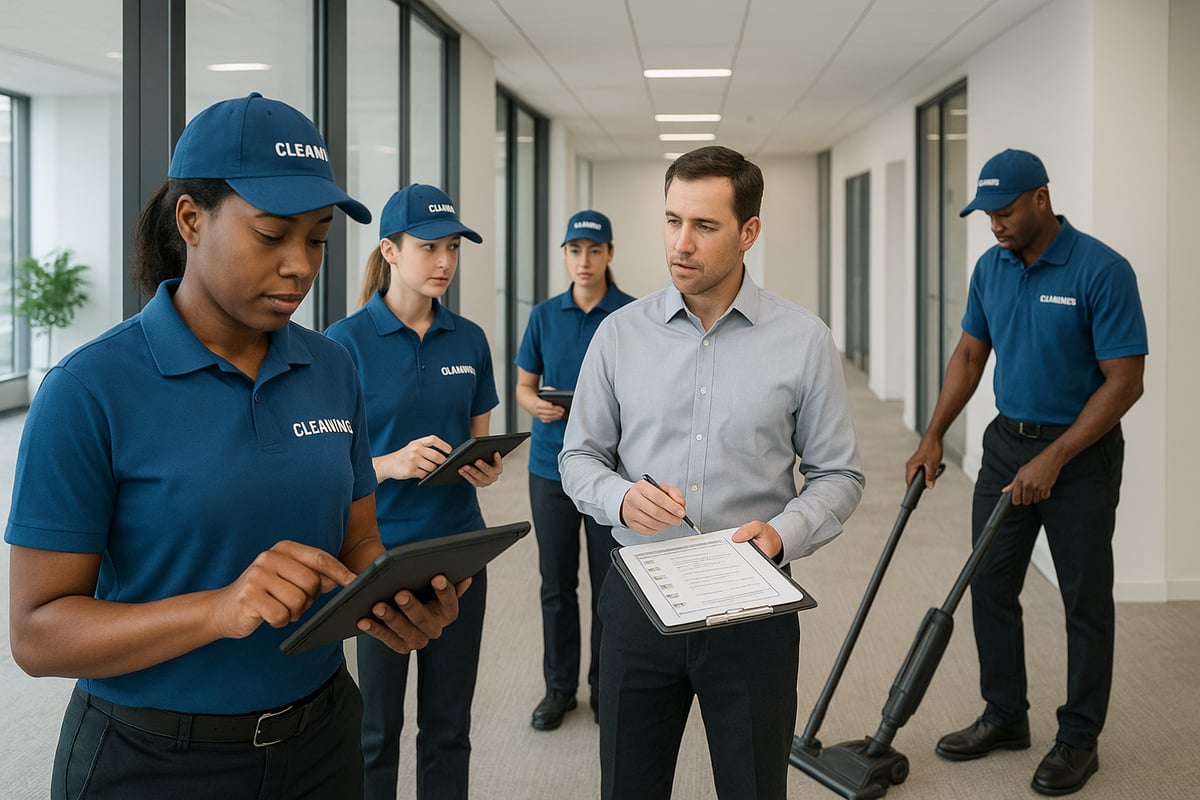
Implement regular inspections and audits using checklists and digital reporting tools. Leverage feedback systems to identify and resolve issues quickly.
Modern facilities benefit from innovations like sensors and smart devices that monitor cleanliness in real time. For more on how technology can improve cleaning outcomes, see Technological Advancements in Cleaning. Continuous monitoring ensures standards are met and adjustments are made promptly.
Step 6: Continuous Improvement
Schedule regular review meetings with your provider to discuss performance and adapt the cleaning plan based on feedback and operational changes. Track industry best practices and encourage a culture of improvement within your facility.
For cleaning services for commercial buildings, ongoing evaluation helps maintain a healthy environment and positions your business ahead of regulatory and industry trends.
Cost Considerations and Budgeting for Commercial Cleaning
Managing expenses for cleaning services for commercial buildings requires a strategic approach. With diverse facility needs, specialized requirements, and evolving industry standards, understanding cost drivers and budgeting effectively is essential for maintaining a clean, healthy environment without overspending.
Factors Affecting Pricing
The price of cleaning services for commercial buildings is shaped by several critical factors. Facility size and layout directly impact the scope of work, with high-rise buildings often demanding more resources than single-floor offices. The complexity of spaces, such as open-plan areas versus segmented rooms, also plays a role.
Frequency and level of service influence costs—routine cleaning differs from periodic deep cleaning or specialized tasks like medical-grade disinfection. Location and accessibility can further affect pricing, especially in urban centers or buildings with strict access controls.
For example, a high-rise office may require daily cleaning and quarterly deep cleans, resulting in a different cost structure compared to a low-rise facility. Understanding these variables helps facility managers anticipate and justify the investment in cleaning services for commercial buildings.
Budgeting Strategies
Developing a sound budget for cleaning services for commercial buildings starts with comparing fixed cost models, such as monthly contracts, against variable options based on service usage. Preventive maintenance can reduce long-term expenses, as regular cleaning minimizes repair needs and extends asset life. In fact, preventive cleaning can lower repair costs by up to 30% (Building Operating Management, 2024).
Bundling services, like combining floor care and restroom sanitation, often results in savings. Organizations focused on sustainability also benefit from eco-friendly approaches, which can be cost-effective over time. For insights on cost-saving sustainable practices, see Sustainable Cleaning Practices 2025.
Getting the Best Value
To maximize value from cleaning services for commercial buildings, balance quality with budget. Insist on clear contracts that detail all services, frequencies, and deliverables. Request detailed invoices to ensure transparency and catch any unexpected charges.
Avoid hidden costs by asking providers to explain all fees and service terms up front. Client testimonials and case studies can help assess a provider’s consistency and reliability. For a practical example of transparent and professional cleaning solutions, review Cleaning services in Exeter to see how clear communication and tailored offerings support better outcomes.
Best Practices for Maintaining Clean and Healthy Commercial Spaces
Maintaining the highest standards of cleanliness is essential for modern commercial environments. Prioritizing best practices not only ensures a safer workspace but also supports the reputation and operational efficiency of your business. Let’s explore the key elements that elevate cleaning services for commercial buildings.
Establishing Cleaning Protocols
Clear cleaning protocols are the foundation of effective cleaning services for commercial buildings. Start by defining which zones need daily, weekly, or deep cleaning. Use color-coded tools for different areas, such as separate mops for restrooms and kitchens, to prevent cross-contamination. Establish detailed cleaning schedules and standards for each space.
Routine checklists help maintain consistency. For example, high-touch surfaces like door handles and elevator buttons should be sanitized multiple times daily. Consistent protocols minimize risks and ensure compliance with industry regulations.
Staff Engagement and Training
Empowering staff is critical to the success of cleaning services for commercial buildings. Provide ongoing training on hygiene practices, proper use of equipment, and new cleaning products. Encourage employees to report cleanliness issues promptly, creating a proactive culture.
Hand hygiene stations placed throughout the facility make it easy for everyone to participate in maintaining a healthy environment. Regular briefings keep staff updated on best practices and regulatory changes, reinforcing high standards.
Leveraging Technology and Innovation
Modern cleaning services for commercial buildings benefit greatly from technology and innovation. Digital checklists and monitoring apps streamline quality control and allow for real-time adjustments. QR codes placed in restrooms or common areas let occupants request cleaning services instantly.
Data analytics help optimize cleaning schedules and resource allocation, as outlined in Data-Driven Cleaning Strategies. These tools ensure cleaning efforts target the busiest areas, improving both efficiency and satisfaction.
Regular Review and Adaptation
Ongoing evaluation is essential for continuous improvement. Schedule periodic assessments to review cleaning outcomes, gather feedback from staff and visitors, and update protocols as needed. Stay informed about the latest cleaning products and regulatory developments.
For more detailed guidance on maintaining shared spaces, reference Communal area cleaning best practices. Adapting your approach ensures your facility meets the evolving demands of cleaning services for commercial buildings.
Now that you have a clearer understanding of what sets exceptional commercial cleaning apart—from the latest green innovations to the crucial role of tailored maintenance—why not take the next step for your own facility? If you want a team with over 30 years of expertise, dedicated to the safety and cleanliness of spaces across Devon and beyond, we’re here to help. Let’s discuss how we can create a solution that perfectly fits your needs and keeps your workplace ahead of industry standards.
Contact the team to get started.