Maintaining high standards of cleanliness in commercial buildings is more critical than ever for health, safety, and business reputation in 2025. As industry standards rise and cleaning technologies evolve, expectations for hygienic workspaces continue to increase in the post-pandemic era. Professional cleaning services for commercial buildings help organizations meet regulatory requirements, support staff well-being, and create positive client impressions. This guide explores everything you need to know about cleaning services for commercial buildings, including service types, benefits, emerging trends, how to choose a provider, cost factors, and best practices for optimal results.
Understanding Commercial Cleaning Services
Commercial cleaning services for commercial buildings play a critical role in maintaining healthy, safe, and productive work environments. Unlike residential cleaning, which focuses on private homes, these services are tailored specifically for businesses and public facilities with unique needs and higher traffic.
Definition and Scope
Cleaning services for commercial buildings encompass a broad range of solutions designed for business and institutional environments. These services differ from residential cleaning by addressing larger areas, stricter hygiene standards, and specialized compliance requirements.
Core services typically include:
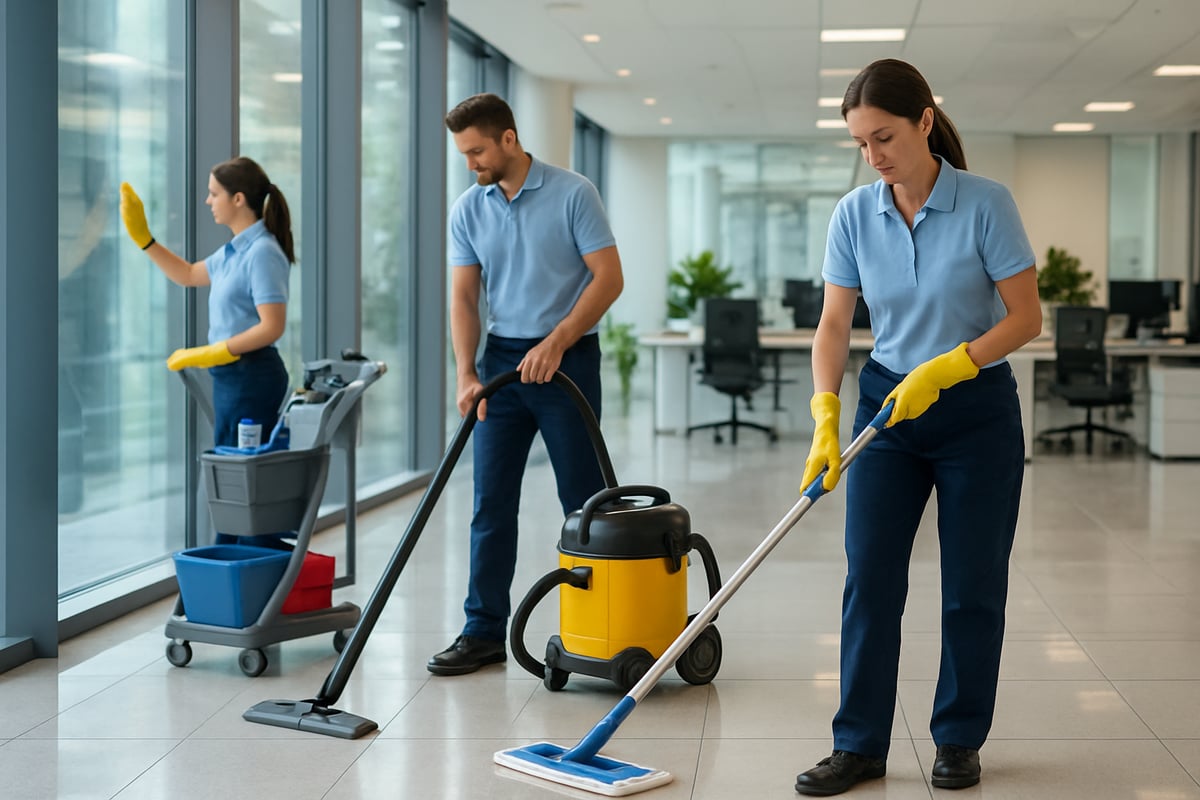
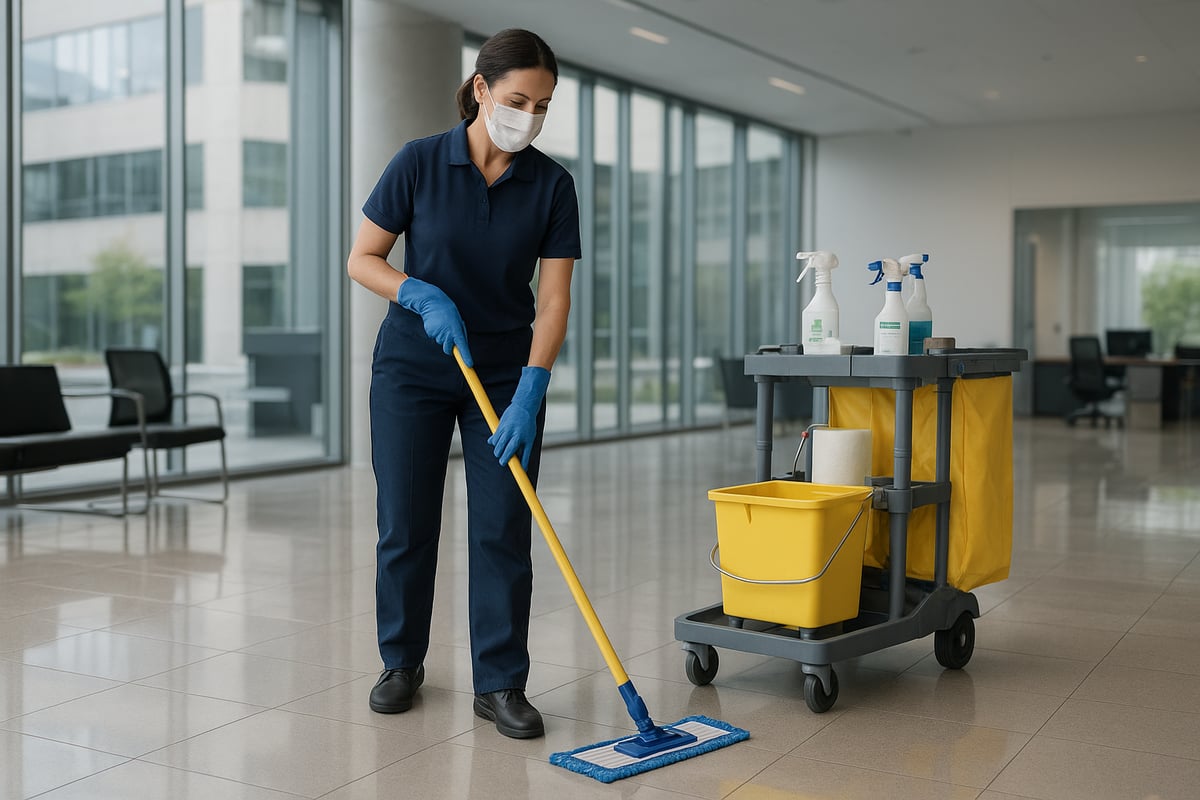
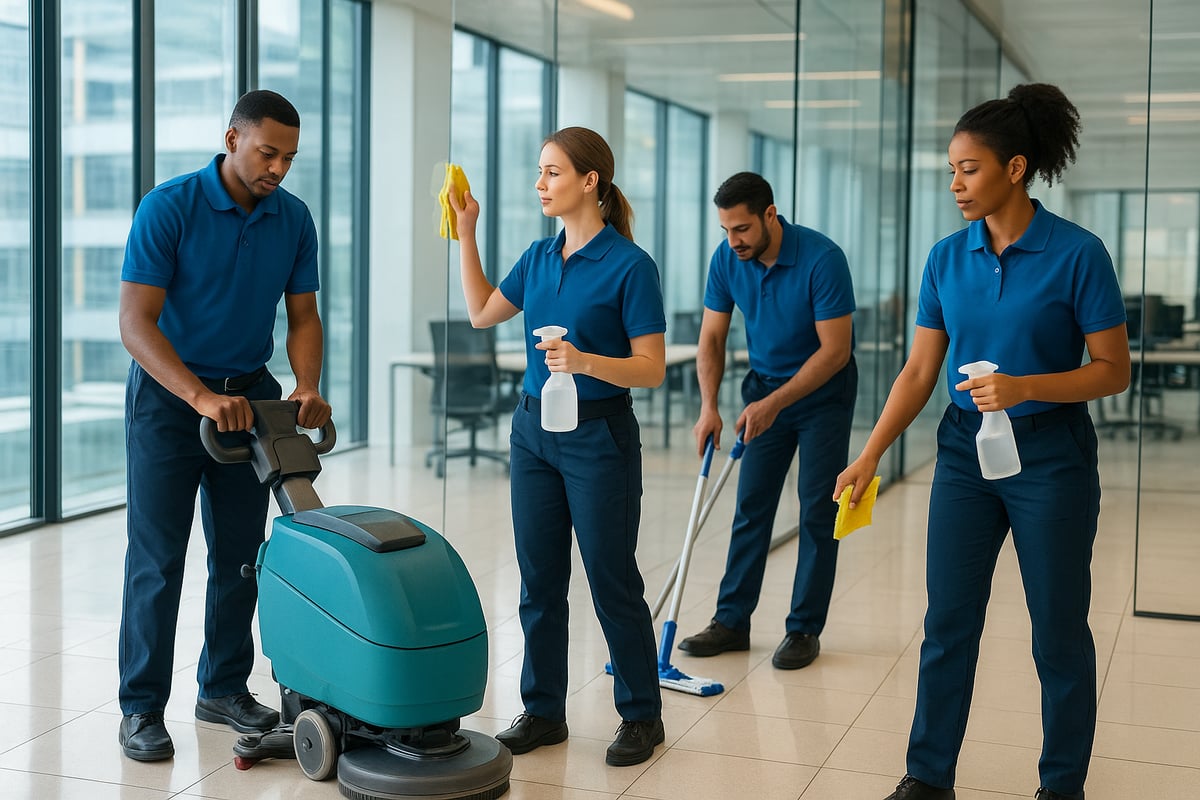
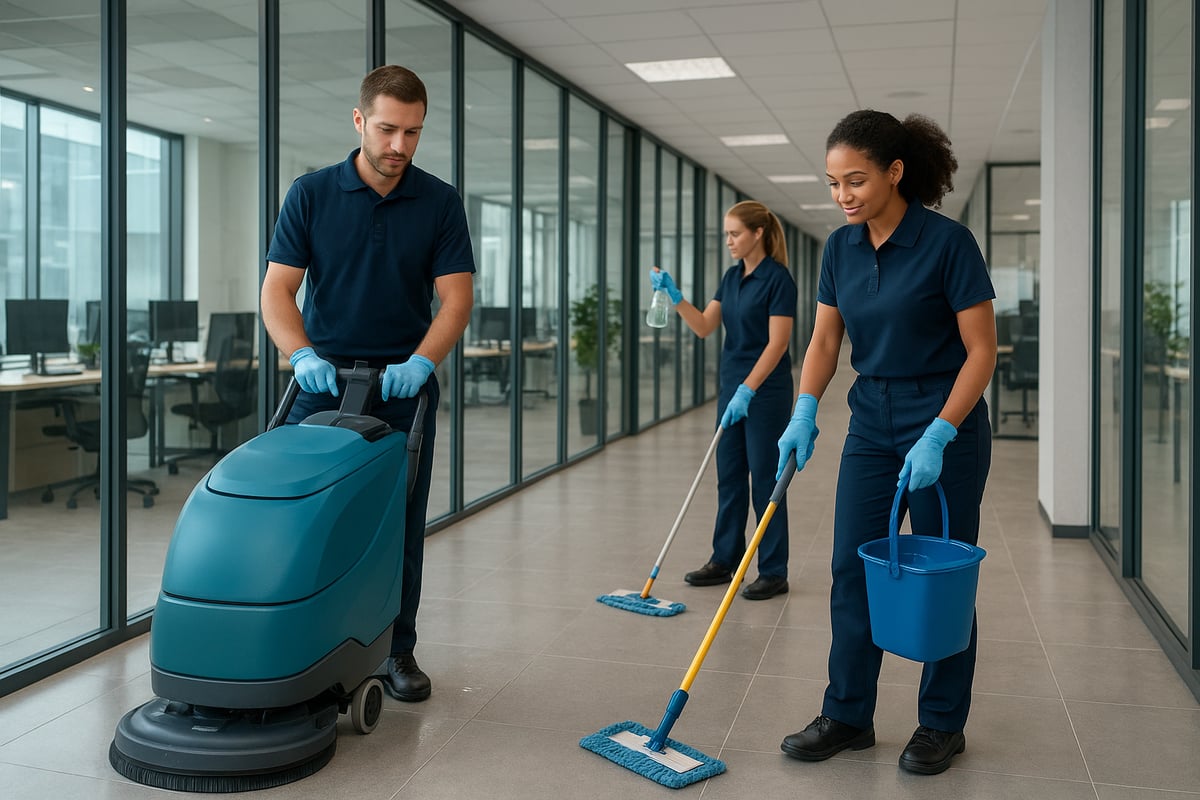
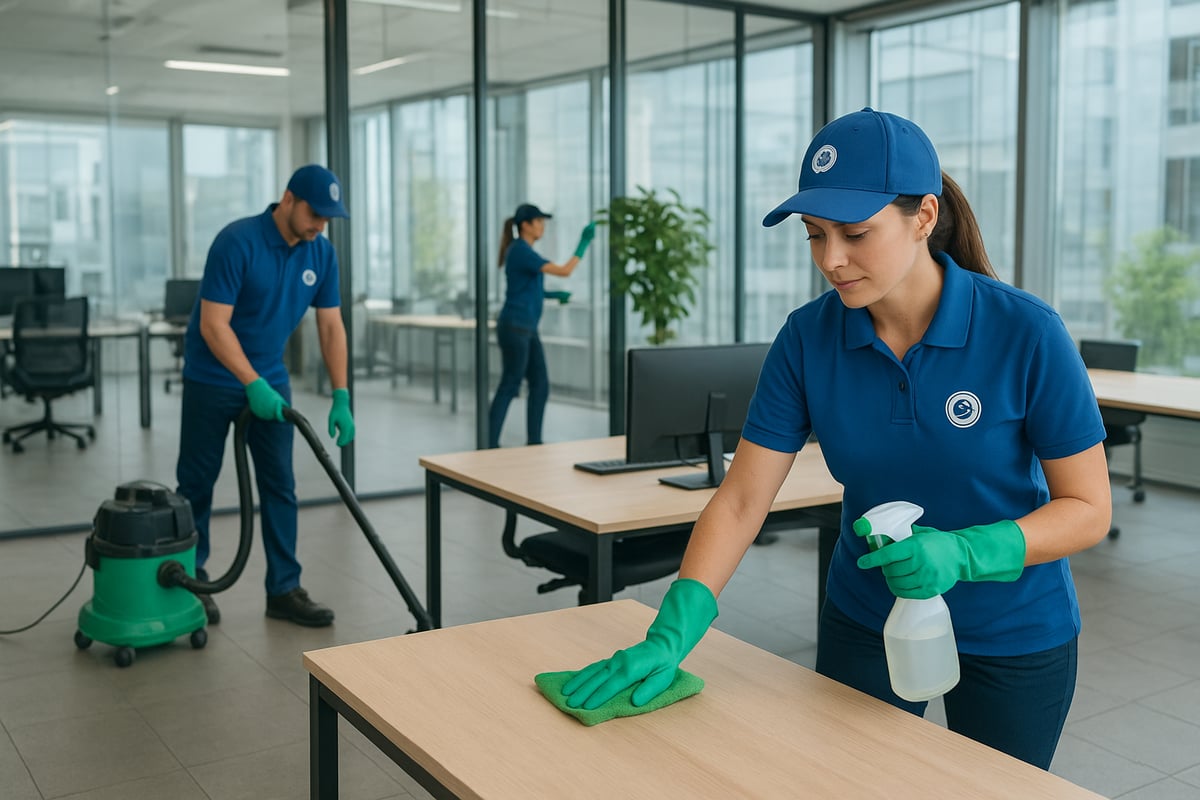
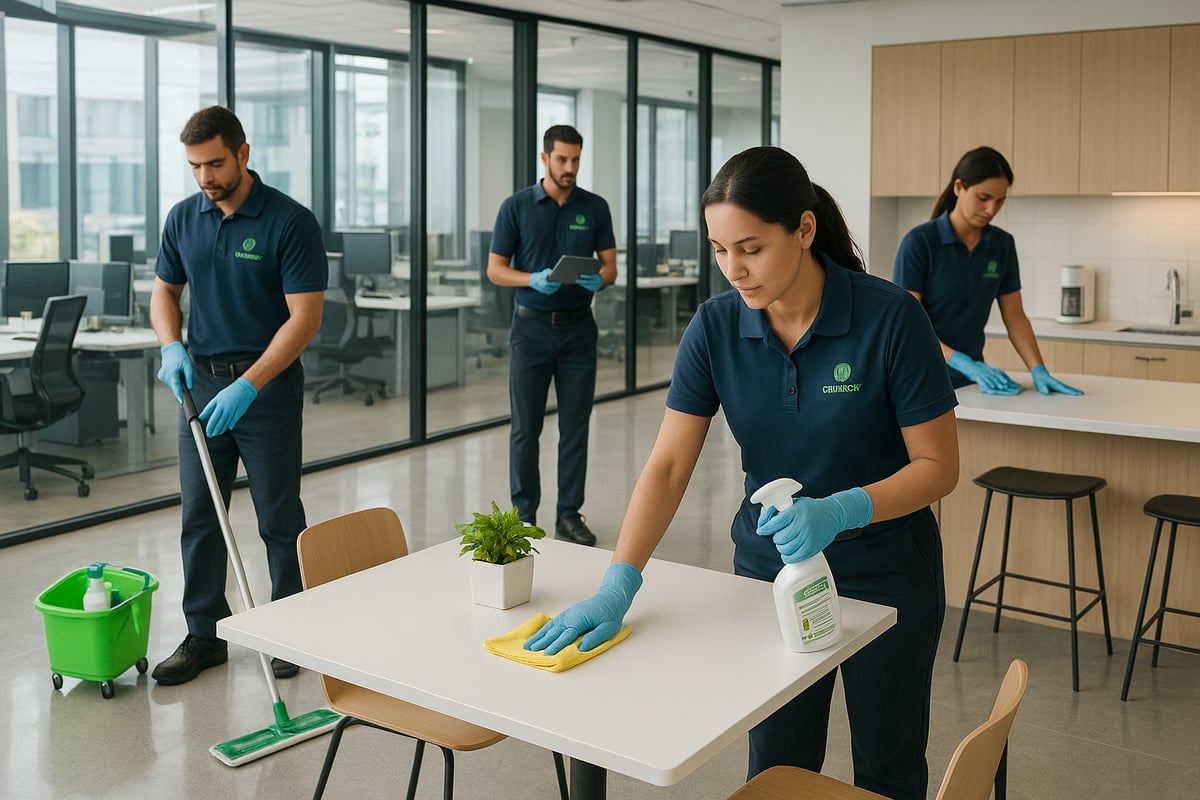
Daily office cleaning, such as dusting, vacuuming, and trash removal
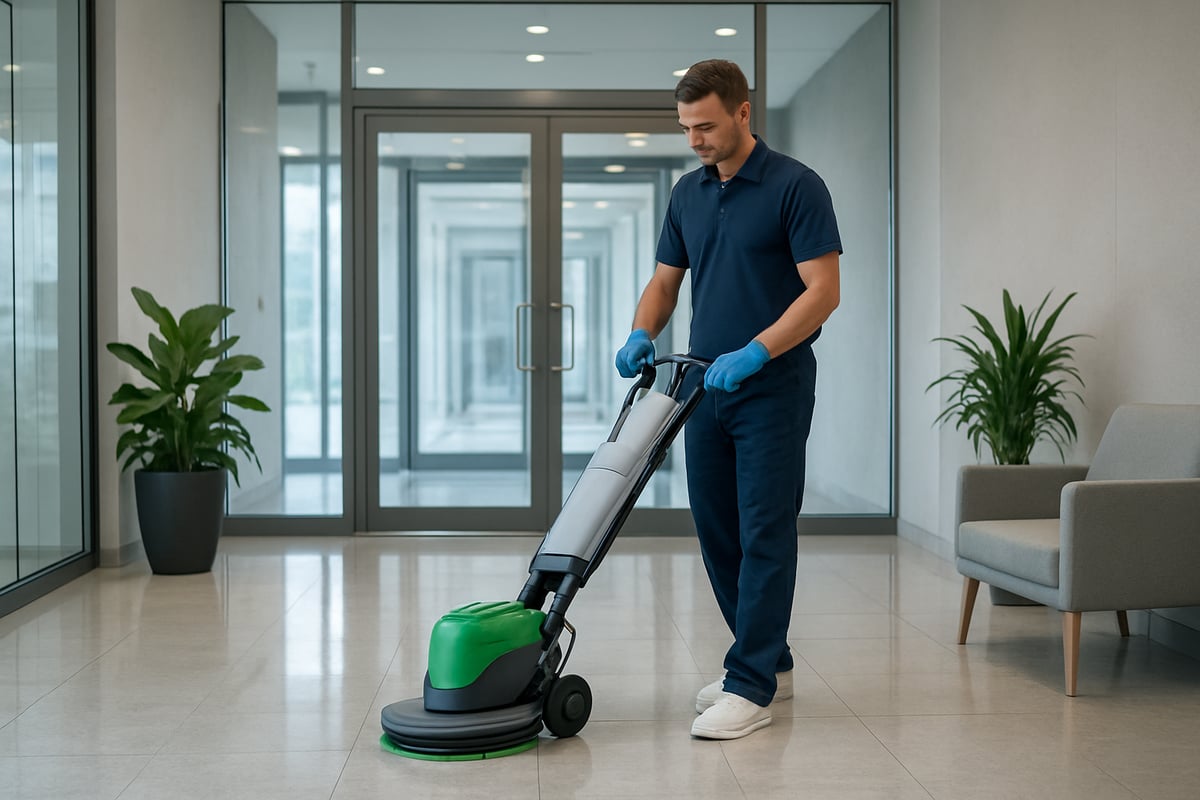
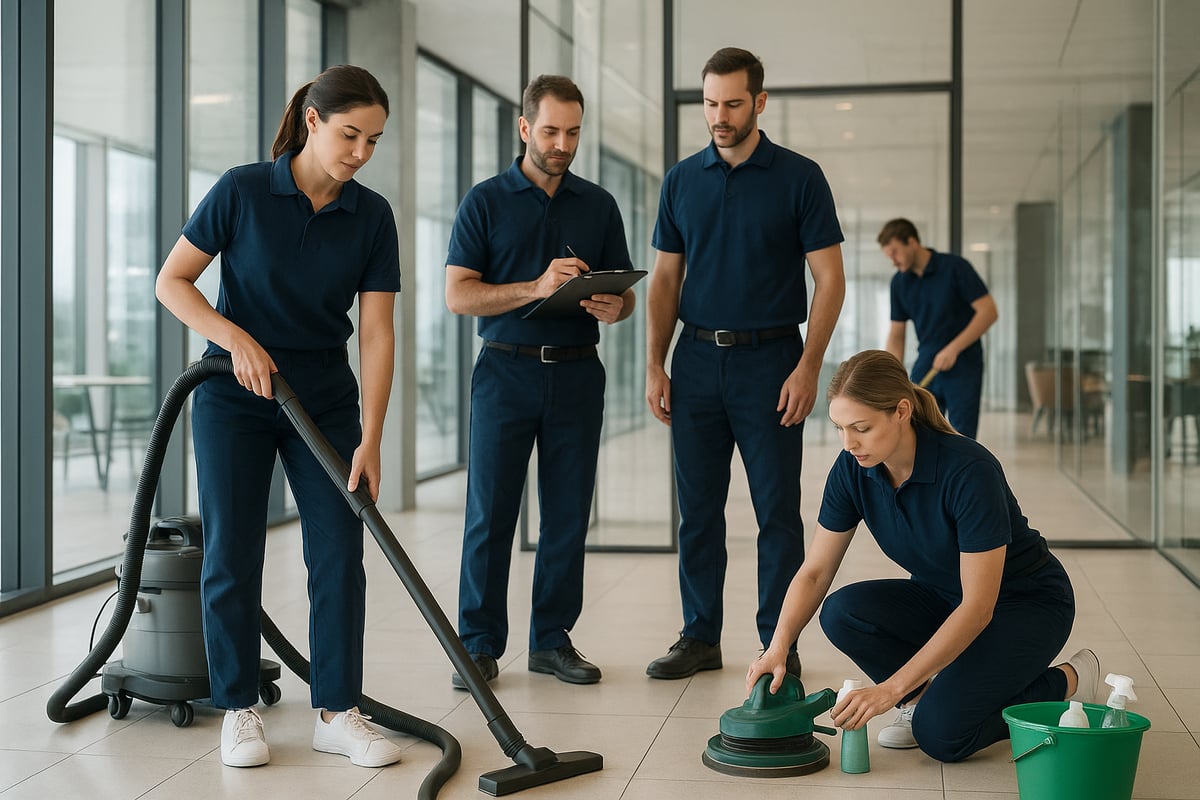
Carpet and floor care, including polishing and maintenance
Window cleaning for both interior and exterior glass
Restroom sanitation and supply restocking
High-touch surface disinfection to reduce the spread of germs
Specialized offerings extend to:
Deep cleaning for seasonal or periodic needs
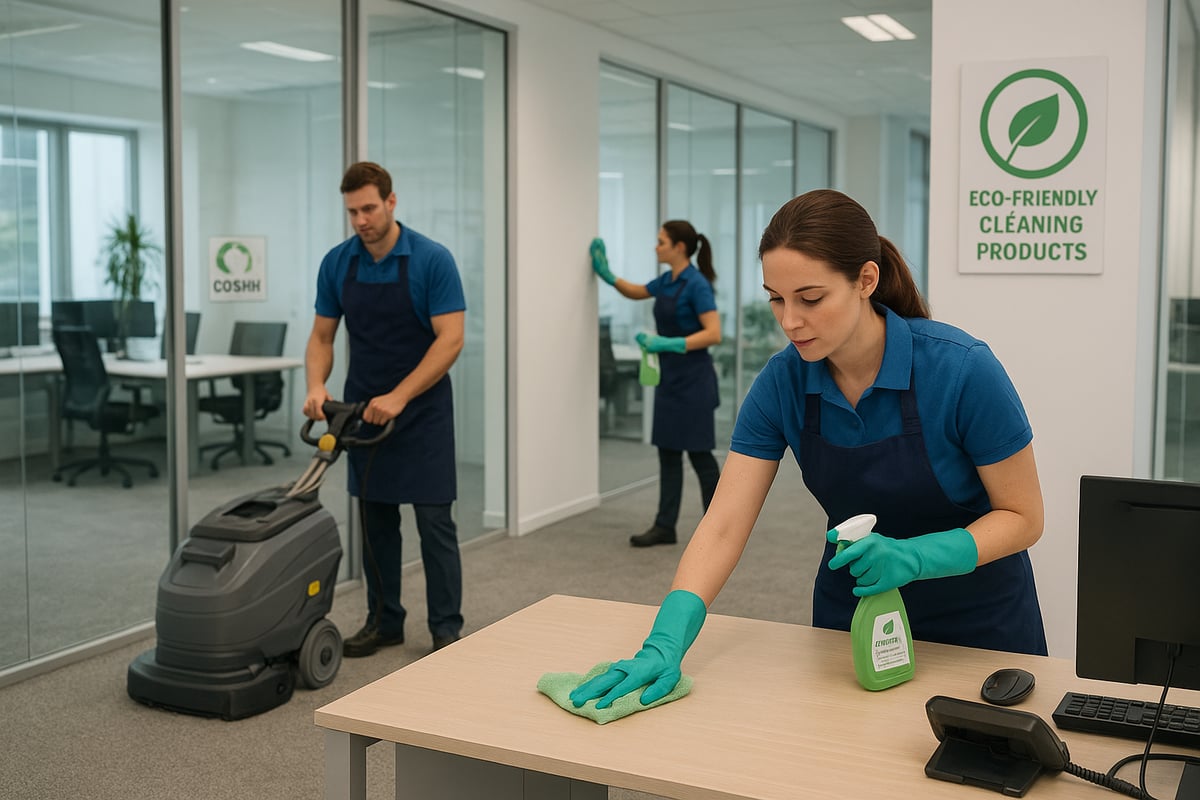
Eco-friendly cleaning that uses biodegradable products and reduces chemical exposure
Emergency response cleaning after spills, accidents, or outbreaks
Clients for cleaning services for commercial buildings are diverse. They include:
Corporate offices and headquarters
Retail stores and shopping centers
Healthcare facilities and clinics
Educational institutions like schools and universities
Industrial sites and warehouses
For example, a large office building may require daily cleaning of workspaces and common areas, with deep cleans scheduled quarterly to maintain hygiene and extend asset life. According to Statista, the global commercial cleaning market is projected to reach $468.2 billion by 2027, reflecting the growing demand for these essential services. To learn more about the range of available solutions, see Office and commercial cleaning services.
Key Benefits of Professional Cleaning
Investing in cleaning services for commercial buildings delivers measurable advantages. A clean environment supports employee productivity and morale, reducing absenteeism linked to illness or poor air quality.
A professionally cleaned facility enhances company image, creating a positive impression for clients, partners, and visitors. Compliance with health and safety regulations, such as COSHH and OSHA, is easier to achieve with expert cleaning teams who understand industry standards.
Preventive maintenance reduces long-term costs by protecting flooring, fixtures, and equipment from premature wear. For instance, a company that implemented regular disinfection protocols saw a significant decrease in sick days among its staff, highlighting the impact of consistent cleaning on overall well-being.
Latest Trends and Innovations in Commercial Cleaning 2025
Staying ahead of the curve is vital for any business relying on cleaning services for commercial buildings. The industry is evolving rapidly, with new approaches, smarter technologies, and stricter hygiene protocols shaping the way facilities are maintained. In 2025, these trends are driving higher standards and better outcomes for organizations of all sizes.
Green and Sustainable Cleaning
Sustainability is now a top priority for companies choosing cleaning services for commercial buildings. Businesses increasingly demand eco-friendly cleaning products, biodegradable supplies, and processes that minimize chemical use. LEED-certified and environmentally conscious buildings require strict adherence to green cleaning protocols.
A recent survey found that 70% of businesses prioritize sustainability when selecting cleaning contracts. Using green cleaning not only supports environmental goals but also ensures a healthier indoor environment for staff and visitors. For example, switching to non-toxic disinfectants and microfiber mops can significantly reduce a facility's carbon footprint. These practices are now a core expectation in the industry.
Technology Integration
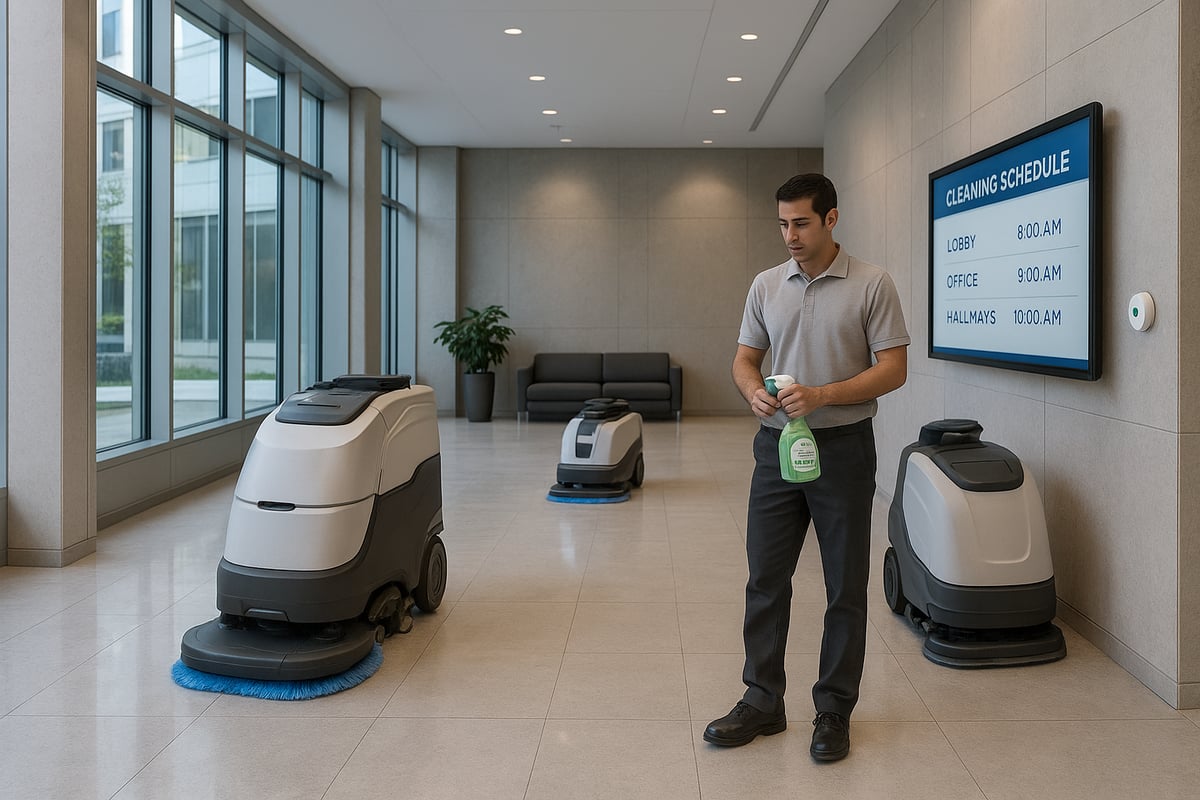
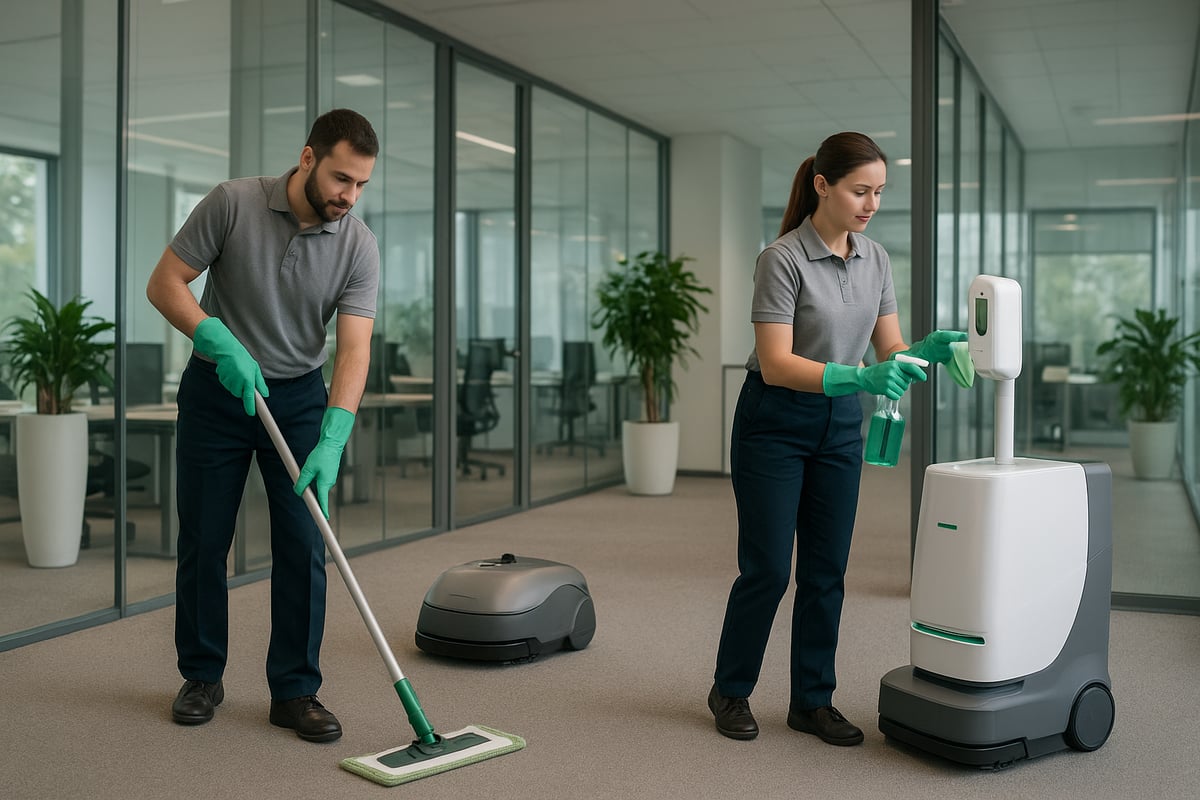
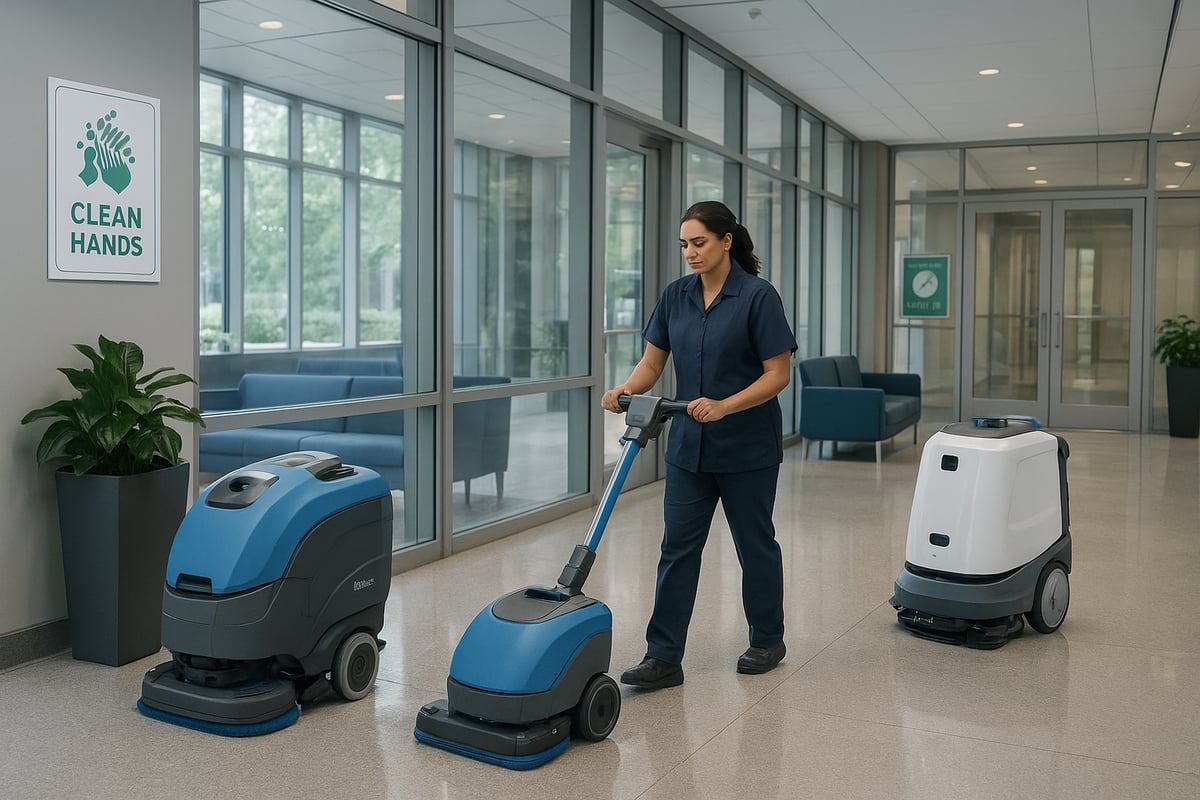
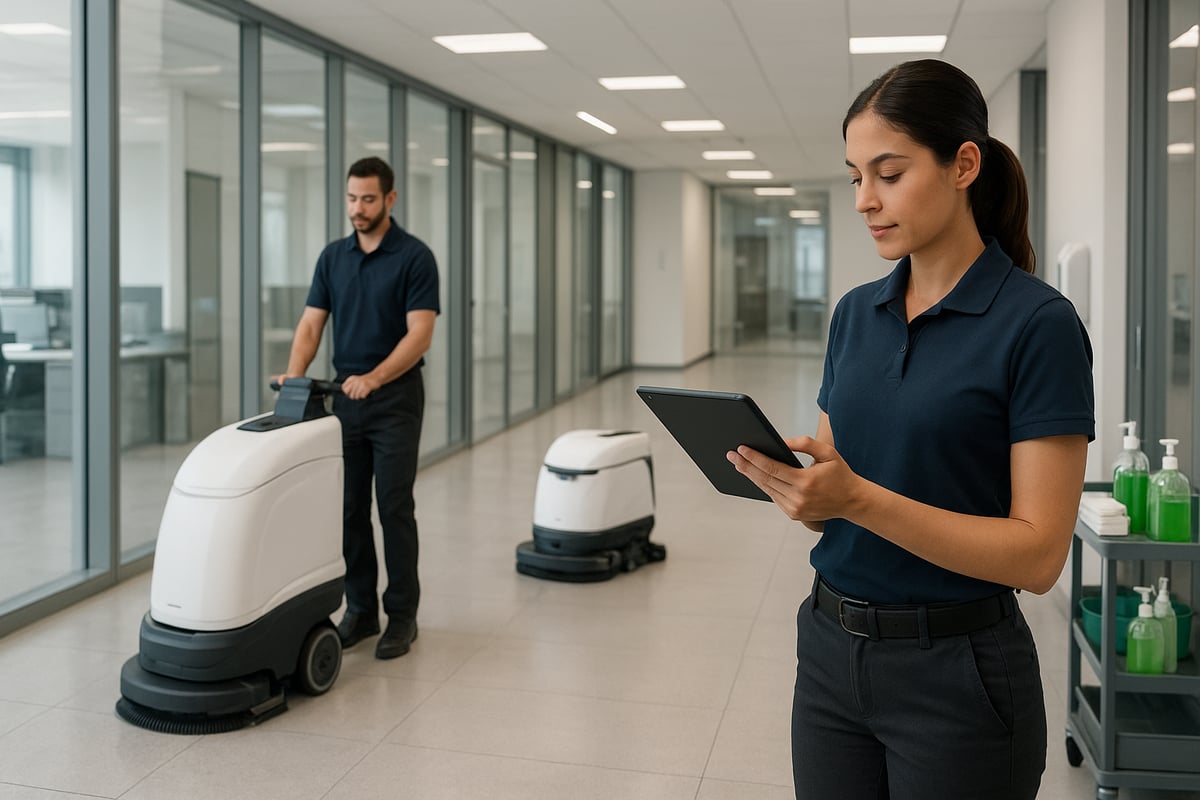
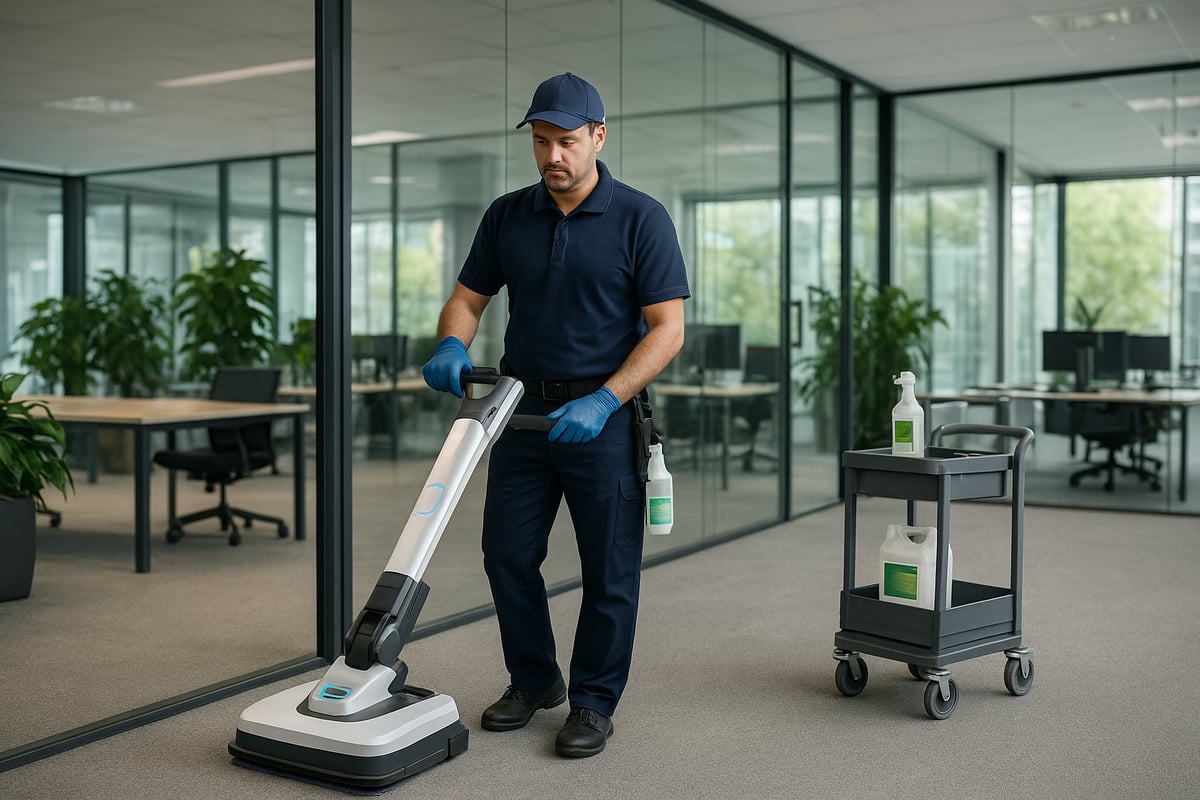
The integration of technology into cleaning services for commercial buildings is transforming efficiency and quality. Automation tools such as robotic vacuums and floor scrubbers are now common in large facilities. Smart sensors monitor cleanliness in real time, alerting teams when high-traffic areas need attention.
Digital apps streamline scheduling and quality control, allowing facility managers to track performance instantly. For instance, sensors in restrooms can trigger cleaning alerts based on usage data. The rise of robotics and artificial intelligence in cleaning is highlighted in Commercial Cleaning Industry Trends 2025, which showcases how these technologies are shaping the future of commercial cleaning.
Post-Pandemic Hygiene Standards
The pandemic has permanently raised expectations for cleaning services for commercial buildings. Enhanced disinfection protocols are now standard, especially for high-touch and high-traffic areas. Touchless cleaning technologies, like electrostatic sprayers, are widely adopted to minimize cross-contamination risks.
Ongoing staff training in infection control is crucial. Regulatory bodies like the CDC and HSE regularly update guidelines, making compliance a moving target. Facility managers must ensure cleaning teams receive continuous education on new procedures and products. This commitment builds trust among building occupants and visitors alike.
Data-Driven Cleaning
Facility managers now rely on analytics to optimize cleaning services for commercial buildings. Smart devices and software track occupancy patterns, revealing peak usage times and high-risk zones. This data enables teams to allocate resources more effectively and adjust schedules based on actual needs.
For example, analytics might show that certain meeting rooms require more frequent attention during busy hours. According to recent reports, 60% of facility managers use data-driven insights to fine-tune cleaning operations. This approach results in better cleanliness, resource savings, and improved satisfaction for everyone using the space.
How to Choose the Right Commercial Cleaning Provider
Selecting the right cleaning services for commercial buildings is a critical decision for any facility manager. The ideal provider will ensure your space remains healthy, safe, and welcoming, while meeting your unique operational needs. Below, you’ll find a step-by-step approach to guide your selection process.
Assessing Your Facility’s Needs
Begin with a thorough audit of your facility. Walk through each area, making note of cleaning requirements for offices, restrooms, kitchens, meeting rooms, and high-traffic zones. Identify spaces that require specialized attention, such as medical suites or food preparation areas.
Determine the frequency and timing of cleaning services for commercial buildings. Some spaces may need daily attention, while others require weekly deep cleans. For example, healthcare facilities benefit from daily disinfection, while standard offices may only need periodic intensive cleaning.
Create a list of high-priority areas and any unique needs. This ensures your cleaning plan is tailored for optimal hygiene and compliance with regulations.
Evaluating Provider Credentials
When researching cleaning services for commercial buildings, always verify the provider’s qualifications. Look for certifications such as ISO or Safe Contractor, which demonstrate adherence to industry standards. Check that the company carries adequate insurance and that all staff undergo background checks and professional training.
Ask for client testimonials and review case studies to gauge the provider’s track record. If your facility operates across multiple sites, select a company experienced in multi-site management. For a comprehensive overview of what to expect from qualified providers, review this commercial cleaning services company overview.
A reputable company will be transparent about their staff vetting process, ongoing training, and ability to adapt to changing requirements.
Comparing Proposals and Contracts
Request detailed proposals from several cleaning services for commercial buildings. Compare pricing models, such as per square foot, per service, or bundled packages. Ensure all costs are clearly outlined to avoid unpleasant surprises.
Carefully review Service Level Agreements and Key Performance Indicators. These documents set expectations for quality, response times, and flexibility in scaling services. Be wary of providers with hidden fees or vague documentation.
Clear communication and well-defined contracts protect your interests and ensure a smooth, professional relationship.
Step-by-Step Guide to Implementing Commercial Cleaning Services
Implementing effective cleaning services for commercial buildings is an organized process that maximizes hygiene, compliance, and cost efficiency. This step-by-step guide outlines how to select, launch, and optimize your cleaning program for lasting results.
Step 1: Needs Assessment and Planning
Begin by conducting a comprehensive walkthrough of your facility. Identify all cleaning zones, from high-traffic entryways to specialized areas like kitchens and restrooms. List specific requirements for each space, such as frequency of disinfection or special equipment needs.
Set measurable cleanliness benchmarks tailored to your industry. Compliance with health and safety standards should be a priority. For cleaning services for commercial buildings, this initial planning phase ensures nothing is overlooked and provides a foundation for accountability.
Step 2: Selecting the Right Provider
Gather proposals from multiple vendors specializing in cleaning services for commercial buildings. Interview candidates and verify credentials, focusing on certifications, insurance, and relevant experience.
Check references and evaluate each provider’s ability to meet your facility’s unique needs, whether you operate a single office or multiple locations. This careful selection process reduces risk and aligns your expectations with the provider’s capabilities.
Step 3: Customizing the Cleaning Plan
Collaborate with your chosen provider to develop a tailored cleaning schedule. Define roles, responsibilities, and clear communication channels. Address contingency plans for emergencies or outbreaks to ensure business continuity.
For cleaning services for commercial buildings, customization allows for flexibility as your operational needs evolve. A detailed plan should specify tasks, timing, and escalation protocols for immediate response to issues.
Step 4: Onboarding and Staff Training
Introduce cleaning staff to your facility layout and safety protocols during onboarding. Provide ongoing training on new cleaning products, advanced equipment, and updated regulations.
Monthly briefings on infection control updates keep staff informed and prepared. Well-trained personnel are essential for maintaining consistent standards and adapting to emerging challenges.
Step 5: Monitoring and Quality Control
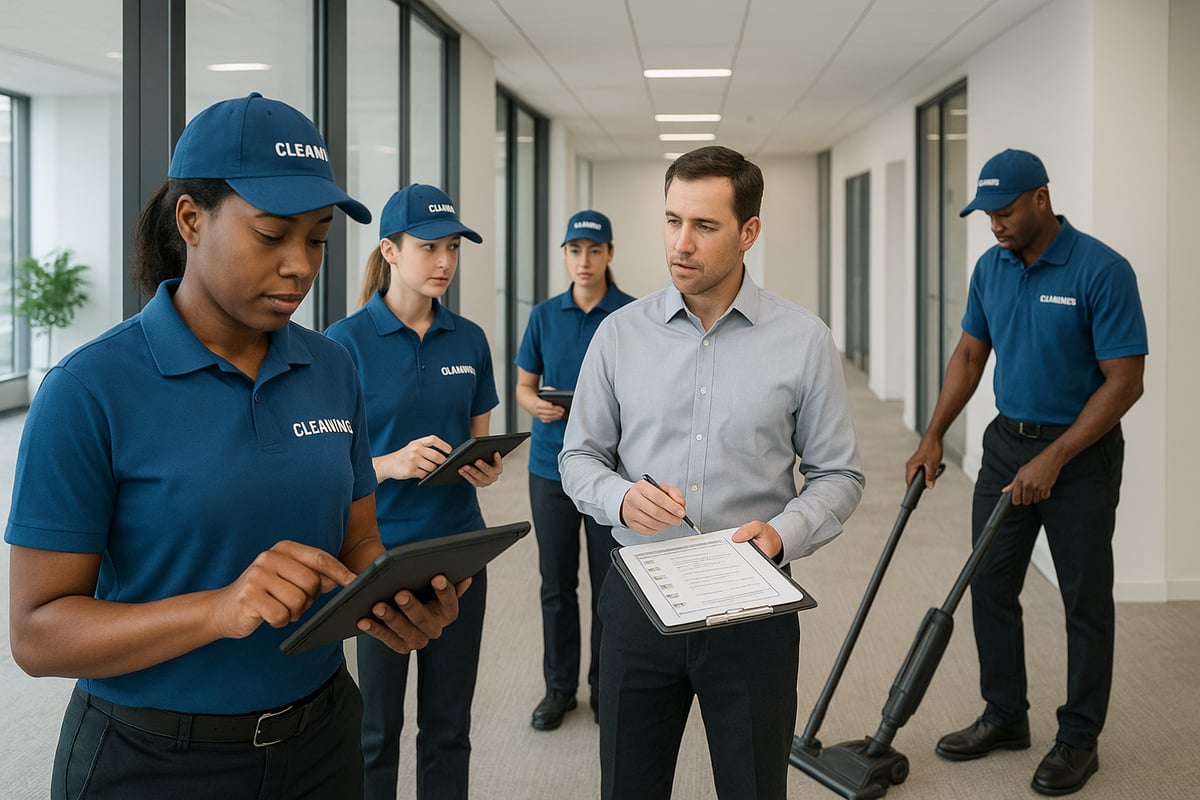
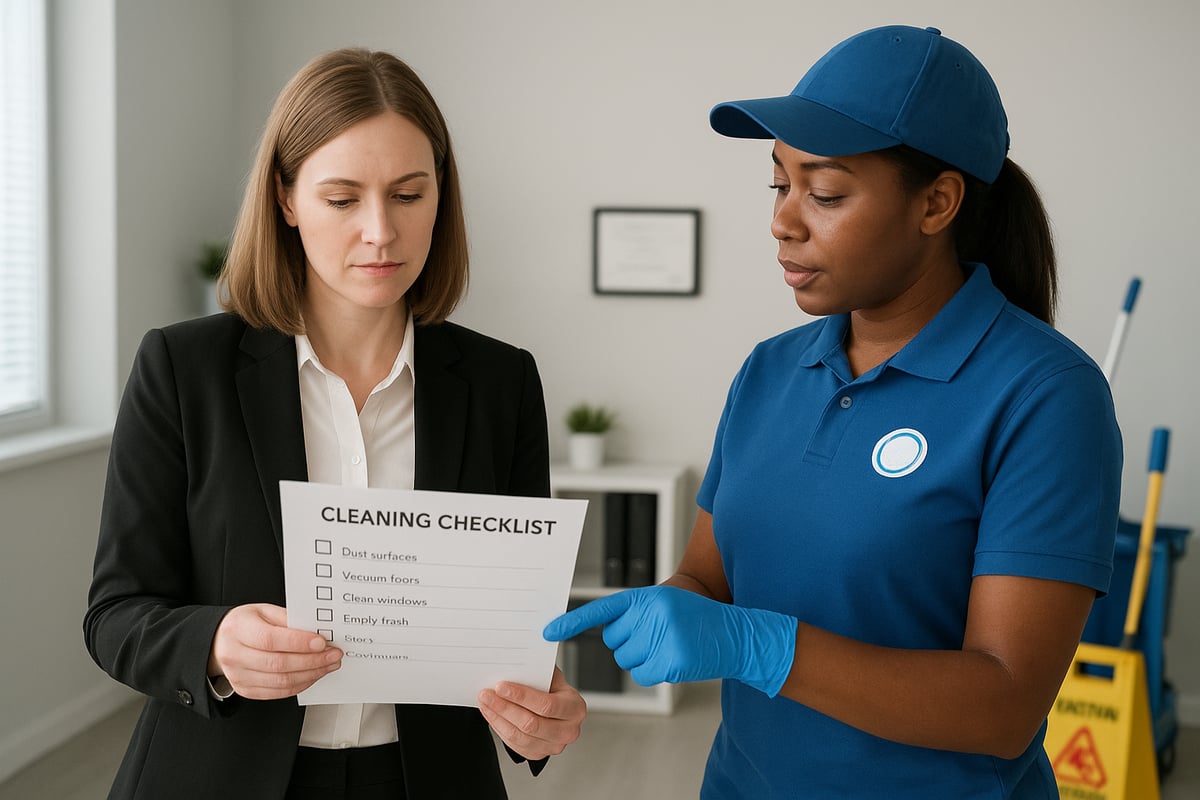
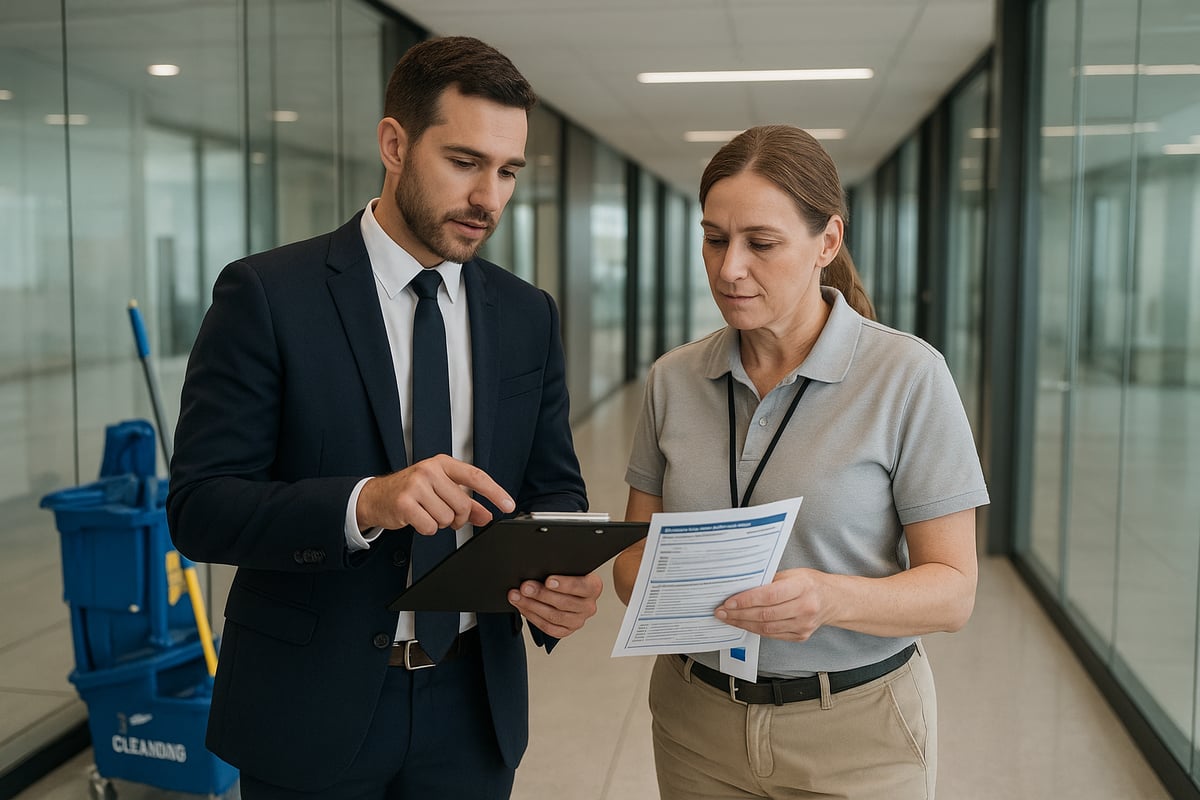
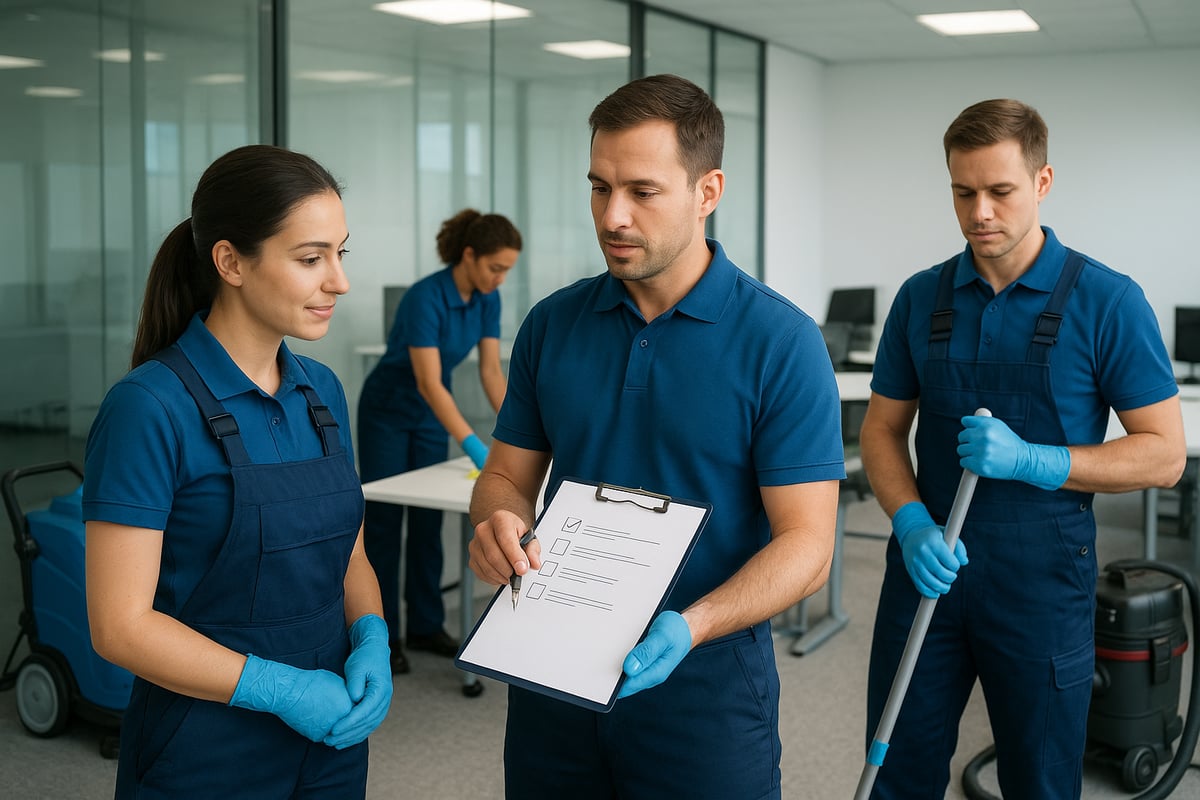
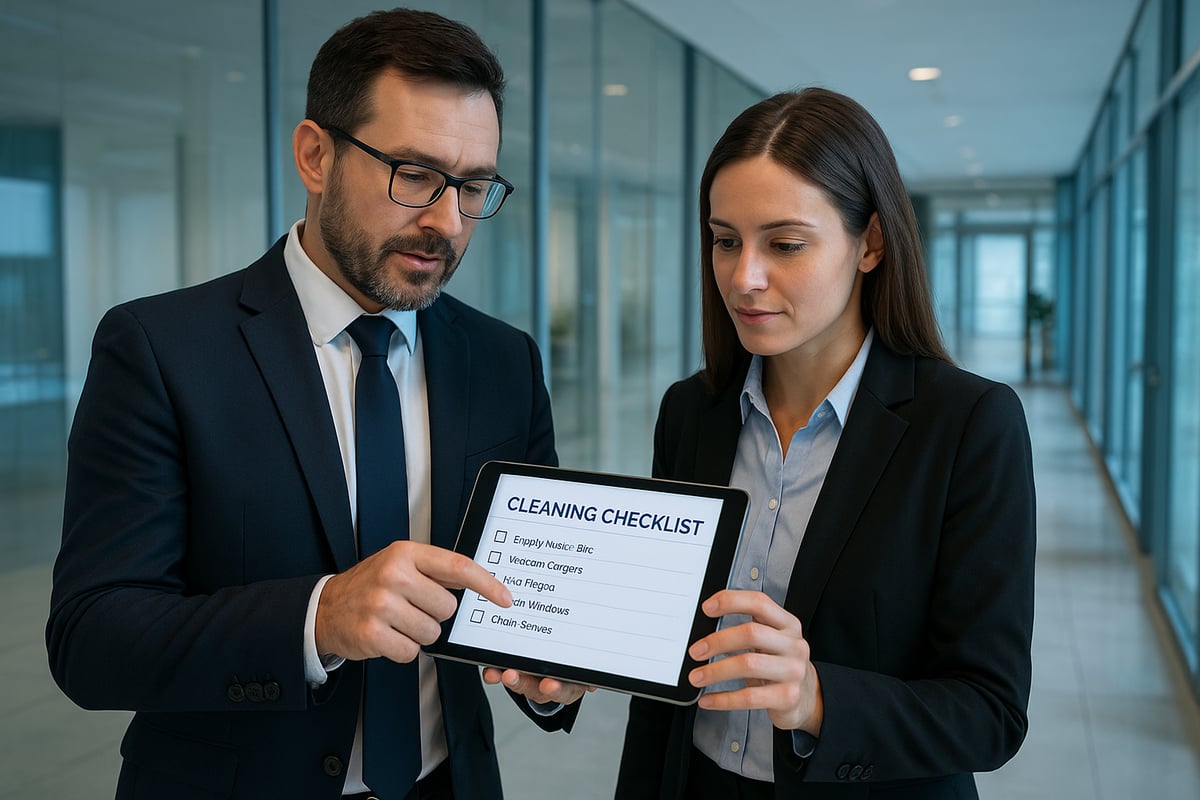
Implement regular inspections and audits using checklists and digital reporting tools. Leverage feedback systems to identify and resolve issues quickly.
Modern facilities benefit from innovations like sensors and smart devices that monitor cleanliness in real time. For more on how technology can improve cleaning outcomes, see Technological Advancements in Cleaning. Continuous monitoring ensures standards are met and adjustments are made promptly.
Step 6: Continuous Improvement
Schedule regular review meetings with your provider to discuss performance and adapt the cleaning plan based on feedback and operational changes. Track industry best practices and encourage a culture of improvement within your facility.
For cleaning services for commercial buildings, ongoing evaluation helps maintain a healthy environment and positions your business ahead of regulatory and industry trends.
Cost Considerations and Budgeting for Commercial Cleaning
Managing expenses for cleaning services for commercial buildings requires a strategic approach. With diverse facility needs, specialized requirements, and evolving industry standards, understanding cost drivers and budgeting effectively is essential for maintaining a clean, healthy environment without overspending.
Factors Affecting Pricing
The price of cleaning services for commercial buildings is shaped by several critical factors. Facility size and layout directly impact the scope of work, with high-rise buildings often demanding more resources than single-floor offices. The complexity of spaces, such as open-plan areas versus segmented rooms, also plays a role.
Frequency and level of service influence costs—routine cleaning differs from periodic deep cleaning or specialized tasks like medical-grade disinfection. Location and accessibility can further affect pricing, especially in urban centers or buildings with strict access controls.
For example, a high-rise office may require daily cleaning and quarterly deep cleans, resulting in a different cost structure compared to a low-rise facility. Understanding these variables helps facility managers anticipate and justify the investment in cleaning services for commercial buildings.
Budgeting Strategies
Developing a sound budget for cleaning services for commercial buildings starts with comparing fixed cost models, such as monthly contracts, against variable options based on service usage. Preventive maintenance can reduce long-term expenses, as regular cleaning minimizes repair needs and extends asset life. In fact, preventive cleaning can lower repair costs by up to 30% (Building Operating Management, 2024).
Bundling services, like combining floor care and restroom sanitation, often results in savings. Organizations focused on sustainability also benefit from eco-friendly approaches, which can be cost-effective over time. For insights on cost-saving sustainable practices, see Sustainable Cleaning Practices 2025.
Getting the Best Value
To maximize value from cleaning services for commercial buildings, balance quality with budget. Insist on clear contracts that detail all services, frequencies, and deliverables. Request detailed invoices to ensure transparency and catch any unexpected charges.
Avoid hidden costs by asking providers to explain all fees and service terms up front. Client testimonials and case studies can help assess a provider’s consistency and reliability. For a practical example of transparent and professional cleaning solutions, review Cleaning services in Exeter to see how clear communication and tailored offerings support better outcomes.
Best Practices for Maintaining Clean and Healthy Commercial Spaces
Maintaining the highest standards of cleanliness is essential for modern commercial environments. Prioritizing best practices not only ensures a safer workspace but also supports the reputation and operational efficiency of your business. Let’s explore the key elements that elevate cleaning services for commercial buildings.
Establishing Cleaning Protocols
Clear cleaning protocols are the foundation of effective cleaning services for commercial buildings. Start by defining which zones need daily, weekly, or deep cleaning. Use color-coded tools for different areas, such as separate mops for restrooms and kitchens, to prevent cross-contamination. Establish detailed cleaning schedules and standards for each space.
Routine checklists help maintain consistency. For example, high-touch surfaces like door handles and elevator buttons should be sanitized multiple times daily. Consistent protocols minimize risks and ensure compliance with industry regulations.
Staff Engagement and Training
Empowering staff is critical to the success of cleaning services for commercial buildings. Provide ongoing training on hygiene practices, proper use of equipment, and new cleaning products. Encourage employees to report cleanliness issues promptly, creating a proactive culture.
Hand hygiene stations placed throughout the facility make it easy for everyone to participate in maintaining a healthy environment. Regular briefings keep staff updated on best practices and regulatory changes, reinforcing high standards.
Leveraging Technology and Innovation
Modern cleaning services for commercial buildings benefit greatly from technology and innovation. Digital checklists and monitoring apps streamline quality control and allow for real-time adjustments. QR codes placed in restrooms or common areas let occupants request cleaning services instantly.
Data analytics help optimize cleaning schedules and resource allocation, as outlined in Data-Driven Cleaning Strategies. These tools ensure cleaning efforts target the busiest areas, improving both efficiency and satisfaction.
Regular Review and Adaptation
Ongoing evaluation is essential for continuous improvement. Schedule periodic assessments to review cleaning outcomes, gather feedback from staff and visitors, and update protocols as needed. Stay informed about the latest cleaning products and regulatory developments.
For more detailed guidance on maintaining shared spaces, reference Communal area cleaning best practices. Adapting your approach ensures your facility meets the evolving demands of cleaning services for commercial buildings.
Now that you have a clearer understanding of what sets exceptional commercial cleaning apart—from the latest green innovations to the crucial role of tailored maintenance—why not take the next step for your own facility? If you want a team with over 30 years of expertise, dedicated to the safety and cleanliness of spaces across Devon and beyond, we’re here to help. Let’s discuss how we can create a solution that perfectly fits your needs and keeps your workplace ahead of industry standards. Contact the team to get started.
Workplace cleanliness has become a critical factor for business success in 2025, with business cleaning services now at the forefront of operational priorities. As companies adapt to evolving standards, maintaining a clean and hygienic environment is no longer optional.
This guide unpacks the essentials of business cleaning services, providing you with expert-backed, actionable strategies to create a safe, productive, and impressive workspace.
You will discover the different types of business cleaning, understand the key benefits, learn how to select the right provider, explore the latest trends, and gain insights into cost considerations and best practices.
With industry expectations shifting fast, now is the time to elevate your workplace hygiene. Let expert guidance help you build a healthier, more successful business environment.
Understanding Business Cleaning Services in 2025
Workplace standards are evolving rapidly, making professional business cleaning services essential for every commercial environment in 2025. A clear understanding of what these services entail, their types, and the latest industry standards helps organizations maintain safe, healthy, and productive spaces.
Defining Business Cleaning Services
Business cleaning services focus exclusively on commercial environments, setting them apart from residential services in both scope and regulations. These services address the unique needs of offices, retail stores, hospitality venues, industrial facilities, and healthcare settings.
Core offerings include daily cleaning routines, deep cleaning, sanitation, and specialty services such as floor care or window washing. The demand for comprehensive solutions has grown since the pandemic, with businesses seeking not only cleanliness but also compliance with health regulations. For a detailed comparison of commercial and residential cleaning, see this commercial and residential cleaning comparison.
Regulatory compliance is now a baseline requirement, ensuring that workplace hygiene meets the latest health and safety standards.
Types of Commercial Cleaning Services
The spectrum of business cleaning services is broad, designed to match the specific needs of different industries. Common services include:
General office cleaning: desks, meeting rooms, and communal spaces
Carpet and hard floor care: vacuuming, stain removal, polishing
Window cleaning: interior and exterior glass surfaces
High-touch surface disinfection: door handles, switches, shared equipment
Specialist services are also available, such as post-construction clean-ups, medical-grade sanitation for healthcare, and eco-friendly cleaning for sustainability-focused businesses. Custom packages are often tailored to the requirements of sectors like retail, hospitality, or manufacturing.
Key Industry Standards and Certifications
Maintaining high-quality business cleaning services requires strict adherence to industry regulations and certifications. Health, safety, and environmental standards such as COSHH (Control of Substances Hazardous to Health) and ISO certifications are now standard for reputable providers.
Certified cleaning professionals use best practices for 2025, including HEPA filtration for improved air quality and non-toxic, sustainable cleaning products. Ongoing training ensures teams stay updated on the latest protocols, helping businesses consistently meet regulatory and health compliance benchmarks.
Benefits of Professional Business Cleaning Services
Maintaining a clean business environment is more than just an aesthetic choice. In 2025, businesses are recognizing that professional cleaning impacts every aspect of workplace performance, from health and safety to client trust and operational efficiency. Investing in business cleaning services delivers measurable results that support your organization's success.
Improved Health, Safety, and Productivity
Routine business cleaning services reduce the spread of germs and allergens, leading to healthier workspaces. Studies show that regular, professional cleaning lowers absenteeism and creates a more productive atmosphere. Clean environments help employees stay focused and feel valued.
Clients and visitors also notice the difference. A hygienic workspace supports a positive brand image, making your business more appealing. For more insights, see this Impact of Professional Cleaning on Employee Productivity article, which highlights direct links between cleanliness and improved staff performance.
Cost Savings and Operational Efficiency
Outsourcing business cleaning services lowers overhead costs by eliminating the need for in-house staff and equipment. Professional teams prevent long-term damage to floors, furniture, and fixtures, saving money on repairs and replacements.
A clean facility also reduces liabilities associated with workplace accidents and health risks. Many businesses see a strong return on investment, as regular cleaning extends the lifespan of assets and minimizes unexpected disruptions.
Enhanced First Impressions and Client Trust
Business cleaning services ensure that first impressions are always positive. A spotless lobby, clean restrooms, and tidy meeting rooms speak volumes to clients, partners, and employees.
Consistent cleanliness demonstrates attention to detail and professionalism. Businesses that prioritize cleaning gain a competitive edge, as a well-maintained environment builds trust and enhances reputation.
Customization and Flexibility for Business Needs
Every business is unique, and business cleaning services can be tailored to fit specific requirements. Providers offer flexible scheduling, whether you need daily, weekly, or specialty services.
Custom plans address your industry's standards, operating hours, and facility size. This flexibility ensures that cleaning never disrupts your workflow or customer experience.
How to Choose the Right Business Cleaning Service Provider
Selecting the best business cleaning services is essential for maintaining a safe, healthy, and impressive workspace. In 2025, the right provider can make a significant difference in employee well-being, customer satisfaction, and operational efficiency. Here is a step-by-step approach to ensure your business makes the smartest choice.
Assessing Your Cleaning Needs
Begin by conducting a thorough audit of your premises. Walk through each area to identify high-traffic zones, sensitive spaces, and problem spots that require extra attention. Involve staff in the process to gather feedback on pain points and overlooked areas.
Create a checklist outlining:
Areas requiring daily, weekly, or monthly cleaning
Special requirements such as disinfection or eco-friendly products
Compliance standards specific to your industry
This detailed overview will help you communicate your expectations clearly when engaging business cleaning services.
Evaluating Providers: Credentials and Experience
When comparing business cleaning services, always verify the provider’s industry credentials. Look for certifications such as ISO standards, proof of insurance, and evidence of comprehensive staff training. Experience in your specific sector (office, retail, healthcare, or industrial) is a valuable asset.
Review client testimonials and case studies to gauge reliability and results. For tailored solutions, consider providers specializing in professional cleaning services for businesses. A reputable provider will be transparent about their track record and offer references upon request.
Comparing Service Packages and Pricing
Understanding pricing models is key to finding value in business cleaning services. Common approaches include hourly rates, per square foot pricing, or fixed contract-based packages. Request detailed, itemized quotes to ensure transparency and avoid hidden fees.
Compare the scope and flexibility of service packages, looking for bespoke options that match your needs. Be wary of offers that seem unusually low, as these may compromise service quality or include unexpected charges down the line.
Communication, Flexibility, and Support
Effective communication is crucial for a successful partnership. Choose business cleaning services that provide clear points of contact, regular updates, and responsive customer support. Flexibility is also important—your provider should accommodate your scheduling needs and be able to respond quickly to urgent requests or feedback.
A provider committed to support and open communication will make ongoing collaboration smoother and more effective, ensuring your workplace remains clean and compliant.
Latest Trends and Innovations in Business Cleaning for 2025
Staying ahead of the curve is essential for organizations seeking the best from business cleaning services. In 2025, the industry is rapidly evolving, driven by sustainability, technology, health concerns, and the need for highly trained staff. Understanding these trends can help your business create a cleaner, safer, and more productive environment.
Green and Sustainable Cleaning Practices
Sustainability is now a top priority in business cleaning services. Companies are adopting eco-friendly products, reducing chemical use, and implementing waste-minimizing practices. Green certifications and sustainability reporting have become standard requirements, reflecting growing environmental awareness among clients.
Examples of green cleaning solutions include biodegradable detergents, refillable dispensers, and microfiber cleaning systems. Many service providers, such as those with office and commercial cleaning expertise, offer tailored eco-friendly packages to meet environmental goals.
By choosing sustainable options, businesses not only support the planet but also create healthier workspaces for employees and visitors.
Technology Integration: Automation and Smart Tools
The integration of technology is revolutionizing business cleaning services. Smart sensors, automated dispensers, and robotics are now commonplace in commercial environments. These innovations help optimize cleaning schedules, track supply levels, and enhance efficiency.
For instance, robotic floor cleaners can handle large areas with minimal supervision, while connected devices monitor restroom supplies and trigger alerts for refills. Data-driven insights allow providers to adjust cleaning routines based on actual usage patterns, reducing costs and improving outcomes.
Embracing these smart tools ensures your business cleaning services remain efficient, consistent, and ready for future demands.
Enhanced Disinfection and Air Quality Measures
Health and safety remain at the forefront of business cleaning services in 2025. Enhanced disinfection protocols target high-touch surfaces, and advanced air purification is becoming a standard expectation.
HEPA filtration systems, UV-C light devices, and hospital-grade disinfectants are widely used to improve indoor air quality and reduce the spread of pathogens. Regular monitoring of air quality helps maintain healthy work environments and reassures employees and clients.
Investing in these advanced measures demonstrates your commitment to workplace wellness and regulatory compliance.
Staff Training and Health Protocols
The effectiveness of business cleaning services depends on the expertise and ongoing training of cleaning staff. Providers are prioritizing regular education in hygiene protocols, safety standards, and the latest cleaning technologies.
Training programs cover proper use of new equipment, safe handling of chemicals, and compliance with evolving health guidelines. This focus on continuous learning ensures teams are prepared for both routine tasks and unexpected challenges.
A well-trained workforce delivers consistent results and upholds the highest standards in business cleaning services.
Step-by-Step Guide: Implementing a Business Cleaning Plan in 2025
A well-structured cleaning plan is the backbone of a safe, healthy, and productive commercial environment. By following this step-by-step approach, organizations can ensure their business cleaning services deliver consistent and measurable results.
Step 1: Conduct a Facility Assessment
Begin by evaluating your entire workspace to determine the current level of cleanliness. Walk through every area, from meeting rooms to restrooms, and note visible issues or recurring problems. Involve key staff who use these areas daily, as their insights help prioritize needs for business cleaning services.
Create a checklist categorizing high-traffic and high-touch zones. Set clear goals, such as reducing dust buildup or improving restroom hygiene, to guide future cleaning strategies.
Step 2: Define Cleaning Objectives and Scope
Clarify what you expect from business cleaning services. Decide how often each area needs attention, which spaces require special care, and what outcomes are non-negotiable. For example, specify daily disinfection for shared equipment or weekly deep cleans for carpets.
Outline all expectations in a written scope of work. This document ensures everyone, from management to cleaning staff, stays aligned on standards and priorities.
Step 3: Select and Onboard a Cleaning Provider
Vetting the right provider is crucial for success. Review credentials, certifications, and experience in your industry. Request references and case studies to understand their track record.
Once selected, conduct an initial walkthrough with your provider. Discuss your objectives, address concerns, and confirm their understanding of your business cleaning services needs before formalizing the contract.
Step 4: Develop a Customized Cleaning Schedule
Work with your provider to build a cleaning timetable that fits your business operations. Consider peak hours, employee shifts, and times when sensitive work occurs. A tailored schedule ensures business cleaning services are performed without disrupting productivity.
Use digital tools or calendars to track service frequency and responsibilities. This transparency helps both parties stay accountable and adaptable.
Step 5: Monitor Performance and Quality Assurance
Regularly inspect cleaned areas to verify quality and consistency. Use standardized checklists and invite staff feedback to catch issues early.
Set measurable performance metrics, such as response time to complaints or percentage of tasks completed on schedule. Schedule periodic meetings with your cleaning provider to review results and make improvements.
Step 6: Address Evolving Needs and Continuous Improvement
Business environments change, so review your cleaning plan often. Reassess needs after office renovations, staff growth, or changes in health guidelines. Adapt your business cleaning services to incorporate new technologies or best practices.
Stay informed about industry trends, such as eco-friendly products or touchless cleaning solutions, to keep your facility ahead of emerging standards.
Step 7: Foster a Clean Culture Among Staff
Encourage employees to take ownership of cleanliness, especially in shared spaces. Provide clear signage, accessible cleaning supplies, and channels for reporting issues.
For communal areas, consider partnering with experts specializing in communal area cleaning solutions to maintain high standards. Empowering staff to participate creates a cleaner, more welcoming environment for everyone.
Expert Tips for Maximizing Business Cleaning Results in 2025
Maintaining a pristine commercial environment in 2025 requires more than just routine upkeep. Businesses that leverage expert strategies for business cleaning services consistently see better health outcomes, improved client perceptions, and stronger operational efficiency.
Focus on High-Traffic and High-Touch Areas
Prioritizing high-traffic and high-touch zones is essential for effective business cleaning services. Areas such as door handles, elevator buttons, shared equipment, and restrooms harbor the most germs.
Regularly disinfect these surfaces throughout the day.
Use EPA-approved, non-toxic products for safety.
Involve cleaning staff in reporting areas needing extra attention.
Schedule Deep Cleans and Specialized Services Regularly
Routine daily cleaning is important, but quarterly deep cleans and specialized services elevate your hygiene standards. Schedule carpet care, floor refinishing, and window cleaning to maintain a polished appearance.
Set up a calendar for deep cleaning tasks.
Address seasonal needs, such as allergy prevention or post-renovation cleanup.
Request documentation to verify completion and quality.
These proactive measures help extend the lifespan of assets and reinforce your commitment to cleanliness.
Leverage Technology for Accountability and Efficiency
Modern business cleaning services integrate digital tools to drive higher quality and transparency. Use cleaning apps, digital checklists, and automated reporting to streamline workflows.
Monitor performance in real time.
Track supply usage and reordering needs.
Generate detailed reports for audits and compliance.
Choose Providers with Transparent Communication and Guarantees
Partner with business cleaning services that offer clear lines of communication and service guarantees. Look for:
24/7 customer support.
Written satisfaction guarantees.
Transparent issue resolution protocols.
A responsive provider quickly adapts to changing needs and demonstrates reliability, which is vital for business continuity.
Stay Updated on Industry Guidelines and Innovations
The cleaning industry evolves rapidly, especially in response to new regulations and technology. Stay current on:
Updated health and safety protocols.
Innovations in cleaning equipment and products.
Industry certifications and best practices.
Remaining proactive with business cleaning services ensures compliance and positions your business as a leader in workplace hygiene.
Invest in Staff Training and Awareness
Continuous training is crucial for both cleaning teams and general staff. Foster a culture of cleanliness by:
Providing ongoing education on hygiene practices.
Sharing updates on new cleaning procedures or technologies.
Encouraging staff to report issues promptly.
Empowered employees contribute to a consistently clean and healthy workspace.
After exploring the latest trends, expert strategies, and the importance of maintaining a spotless, healthy workplace in 2025, you can see how much value a reliable cleaning partner brings to your business. At Ablou Facilities, we understand the unique needs of businesses across Devon and beyond, offering flexible, fully qualified support every step of the way. Whether you need tailored cleaning schedules, advanced disinfection, or a team that’s always there when you need them, we’re here to help you create a space that impresses both staff and clients. Ready to take the next step? Contact the team today.
In 2025, the spotlight on workplace hygiene and cleanliness has never been brighter for businesses. Maintaining a clean and safe commercial environment is now directly linked to employee well-being, higher productivity, and a stronger brand reputation. As standards evolve, commercial cleaning services are adapting with advanced technologies, stricter compliance, and rising client expectations.
Partnering with an expert commercial cleaning services company is essential to navigate these new demands efficiently. In this guide, you will discover what services these companies provide, how to choose the right provider, the latest industry trends, and what to expect from commercial cleaning in the year ahead.
What Are Commercial Cleaning Services?
Commercial cleaning services are professional solutions designed to maintain cleanliness, hygiene, and safety in business environments. Unlike residential cleaning, these services address the unique demands of offices, schools, healthcare facilities, retail stores, and industrial sites. A commercial cleaning services company tailors its approach to meet the specific needs and compliance standards of each business sector.
Core offerings from a commercial cleaning services company typically include office cleaning, floor care, carpet cleaning, window washing, and restroom sanitation. Many providers also deliver specialized services such as kitchen deep cleans, post-construction cleaning, and infection control measures. These solutions are essential for supporting day-to-day operations and ensuring a welcoming, health-focused environment.
Different business types require distinct cleaning strategies. For example, healthcare facilities demand rigorous disinfection protocols, while schools and offices focus on high-traffic area maintenance. Retail spaces prioritize presentation and safety for customers and staff. Industrial sites benefit from tailored cleaning to manage hazardous materials and comply with strict safety regulations. To explore how these solutions apply across sectors, review professional cleaning services for businesses.
Regulatory compliance is central to every commercial cleaning services company. Providers must adhere to standards such as OSHA and COSHH, as well as industry-specific guidelines. This ensures not only legal compliance but also the health and safety of employees, customers, and visitors. Cleaning also plays a vital role in infection prevention, especially as new post-pandemic standards shape expectations for hygiene in public and work spaces.
After COVID-19, businesses relied on commercial cleaning services company expertise to implement robust disinfection protocols, enabling safe reopening. In fact, a 2023 industry survey revealed that over 90% of facility managers increased their cleaning frequency post-pandemic, highlighting the renewed focus on workplace hygiene.
A clean work environment delivers measurable economic benefits. It reduces employee absenteeism, enhances morale, and reinforces a positive brand image. Investing in the right commercial cleaning services company is therefore a strategic decision for any organization aiming to protect its people and reputation.
Key Services Offered by Commercial Cleaning Companies
A commercial cleaning services company delivers a suite of professional solutions tailored to keep modern workplaces safe, hygienic, and visually appealing. With rising standards and expectations, these companies offer a broad range of services designed to meet the unique needs of offices, schools, healthcare, and industrial facilities.
Routine Cleaning and Maintenance
Routine cleaning forms the backbone of any commercial cleaning services company. Most providers offer daily or weekly schedules, ensuring every area remains spotless and presentable. Typical tasks include dusting, vacuuming, emptying bins, and surface sanitization.
For large office buildings, this service may involve multi-floor coordination and after-hours cleaning to minimize disruption. Consistent maintenance keeps environments healthy and professional, supporting both staff morale and a positive first impression for visitors.
Beyond routine tasks, a commercial cleaning services company also provides periodic deep cleans and specialized solutions. Deep cleaning targets carpets, floors, and high-touch surfaces with advanced techniques like carpet extraction or floor waxing.
Specialized services include kitchen deep cleans, post-construction cleaning, and infection control—essential for high-traffic or sensitive settings such as healthcare and education. For example, schools often schedule an annual deep clean before a new term to ensure a healthy start for students and staff.
Green and Sustainable Cleaning Solutions
Sustainability is now a key expectation for any commercial cleaning services company. Providers increasingly use eco-friendly products and adopt sustainable practices to reduce environmental impact and improve indoor air quality.
Clients benefit from reduced chemical exposure and compliance with green standards. In 2024, 70 percent of businesses preferred eco-friendly providers, and certifications like Green Seal or ISO 14001 are becoming industry benchmarks.
Technology-Driven Cleaning Innovations
Innovation is transforming what a commercial cleaning services company can offer. Automated equipment, IoT sensors, and digital scheduling software are streamlining operations and quality assurance.
Robotic floor cleaners are now common in warehouses, delivering consistent results while freeing up staff for detail-oriented tasks. These advances mean greater efficiency, better transparency, and higher service standards for clients.
How to Choose the Right Commercial Cleaning Services Company
Selecting a commercial cleaning services company is a pivotal decision for any business aiming to maintain high standards of hygiene, safety, and professionalism. The right provider will align with your unique facility requirements and deliver consistent value. Here is a structured approach to ensure you make an informed choice.
Assessing Business Needs and Scope
Begin by evaluating the precise needs of your facility. Consider the size of your premises, the nature of your business, and areas with specific hygiene requirements. For example, a medical office will have different standards compared to a retail store or a large office block.
Make a list of all spaces that require cleaning, such as lobbies, restrooms, kitchens, or sensitive equipment zones. Determine the frequency needed—daily, weekly, or periodic deep cleans. Consult with department heads and staff to gather input on pain points or special needs.
Regional expertise matters, especially for multi-site businesses or those in regulated sectors. If your business operates in the South West, choosing a Cleaning services in Exeter provider ensures local knowledge and rapid response. By clearly defining your requirements, you lay a strong foundation for selecting the best commercial cleaning services company.
Evaluating Experience, Certifications, and Compliance
A reputable commercial cleaning services company should have a proven track record in your industry. Check for relevant certifications such as ISO standards or Safe Contractor status, which demonstrate commitment to best practices and safety.
Ask about staff training programs and background checks to ensure all personnel are qualified and trustworthy. It is critical that the company complies with local and national health and safety regulations. Poorly trained cleaners can increase compliance risks, especially in healthcare or food service environments.
Request references or case studies to verify experience with facilities similar to yours. An experienced commercial cleaning services company will help you avoid costly compliance issues and uphold your brand’s reputation.
Service Customization and Communication
Every business is unique, so a one-size-fits-all approach rarely delivers optimal results. Look for a commercial cleaning services company that offers tailored cleaning plans, adjusting scope and schedules as your needs evolve.
Effective communication is essential. Choose a provider that responds promptly to queries, offers regular reporting, and is proactive about feedback. For example, you may need to ramp up cleaning before special events or during flu season—your provider should adapt seamlessly.
Ask how the company handles changes in requirements or urgent requests. This flexibility ensures your facility remains clean and safe under any circumstance, reinforcing the value of a trusted commercial cleaning services company partnership.
Cost Transparency and Value
Understanding the pricing model is crucial when comparing providers. Commercial cleaning companies may charge per hour, per square foot, or on a contract basis. Always request detailed quotes that specify services, frequencies, and any additional costs.
Pricing Model
Description
Hourly
Charges based on time spent
Per Square Foot
Based on facility size
Contract-Based
Fixed fee for agreed services
Watch for hidden fees, such as charges for out-of-hours work or special equipment. A reputable commercial cleaning services company will provide clear, upfront pricing and demonstrate how their services add long-term value to your business.
Trends Shaping Commercial Cleaning in 2025
As businesses look ahead to 2025, the commercial cleaning services company landscape is transforming rapidly. New priorities around health, technology, and sustainability are shaping how cleaning providers operate and deliver value. These trends are driven by evolving client expectations, regulatory changes, and the need for safer, greener workplaces.
Health, Hygiene, and Infection Control
Enhanced health and hygiene protocols remain central for any commercial cleaning services company. Post-pandemic, businesses expect more frequent touchpoint disinfection and comprehensive restroom sanitation. Air quality monitoring is also becoming standard, especially in high-traffic environments.
Visible hygiene practices, such as hand sanitizer stations and clear signage in office lobbies, reassure employees and visitors alike. Many companies now require detailed cleaning logs and transparent reporting to ensure compliance with health regulations. For example, after the pandemic, regular surface disinfection and proactive infection control helped offices welcome staff back safely.
With these heightened standards, the role of a commercial cleaning services company in infection prevention has never been more critical.
Technology and Automation
Technology is revolutionizing how a commercial cleaning services company operates. Robotics, AI-driven scheduling, and digital inspection tools improve efficiency and consistency across large facilities. Automated floor scrubbers and IoT sensors enable real-time monitoring of cleaning quality and supply levels.
Some organisations use QR code-based feedback systems in restrooms, allowing staff to respond quickly to cleaning requests. These advancements reduce manual labor and provide valuable data for performance tracking. According to the 2024 Commercial Cleaning Industry Trends Report, such technologies are becoming standard, helping companies deliver higher quality at a lower cost.
Technology is now integral to meeting client expectations and maintaining competitive advantage in the commercial cleaning services company sector.
Sustainability and Green Initiatives
Sustainability is a top priority for every commercial cleaning services company in 2025. Clients increasingly demand eco-friendly cleaning products, zero-waste practices, and energy-efficient equipment. Many providers have adopted biodegradable supplies and green-certified chemicals to reduce environmental impact.
Government incentives further encourage the use of sustainable cleaning methods. In 2024, 58% of UK businesses set specific sustainability goals for their facilities management. Green initiatives not only help the environment but also attract clients who value responsible business practices. These changes demonstrate a significant shift in how the commercial cleaning services company operates day-to-day.
Flexible and Integrated Facilities Management
Flexibility is another key trend for the modern commercial cleaning services company. Many clients seek integrated solutions, bundling cleaning with other facilities services under a single contract. This approach streamlines communication, reduces costs, and ensures consistent service delivery.
Integrated management allows businesses to adapt cleaning schedules for special events or seasonal needs without renegotiating contracts. The result is a more responsive and efficient partnership that supports both operational goals and workplace well-being. As 2025 approaches, flexibility and integration are becoming essential features for any successful commercial cleaning services company.
[Ablou Facilities: A Trusted Partner for Commercial Cleaning in Devon and the South West]
With more than 30 years of experience, Ablou Facilities stands out as a leading commercial cleaning services company serving offices, schools, and public sector organizations across Devon and the South West. Our team delivers tailored cleaning solutions to meet the unique needs of businesses in Exeter, Torquay, Plymouth, Tiverton, Newton Abbot, Exmouth, and Taunton.
Clients trust our commercial cleaning services company for highly trained staff, 24/7 availability, and strict adherence to industry standards and accreditations. We focus on building strong relationships, offering integrated services and local expertise for every client. Schedule a free consultation to receive a customized cleaning plan that matches your requirements. Learn more about Ablou Facilities
Step-by-Step Guide: Engaging a Commercial Cleaning Services Company in 2025
Selecting the right commercial cleaning services company in 2025 requires a strategic, step-by-step approach. As workplace standards and expectations rise, businesses must ensure they partner with providers who can deliver consistent, high-quality results. Here is a practical guide to help you navigate the process efficiently.
Step 1: Define Your Cleaning Requirements
Begin by outlining your facility’s unique cleaning needs. Identify all areas requiring attention, such as offices, restrooms, break rooms, and communal spaces. Specify the frequency for each task, whether daily, weekly, or monthly.
Engage key stakeholders to gather input on specific concerns or priorities. For example, sensitive equipment or high-traffic zones may need extra care. A clear, detailed list of requirements will help you communicate effectively with any commercial cleaning services company.
Step 2: Research and Shortlist Providers
With your requirements set, start researching local providers. Look for a commercial cleaning services company with a solid reputation, proven track record, and relevant industry experience. Online reviews and client testimonials can offer valuable insights into reliability and service quality.
Consider the rapid growth of the cleaning industry, which is projected to expand by 6.2% through 2025 according to Commercial cleaning industry poised for 6.2% growth. This growth means more options, but also greater need to vet companies carefully.
Step 3: Request Proposals and Compare Services
Contact your shortlisted vendors and request detailed proposals. Ask each commercial cleaning services company for a comprehensive quote that includes a breakdown of services, pricing models, and proof of insurance or certifications.
Compare how each provider customizes their offerings to match your business needs. Evaluate flexibility, service scope, and the ability to accommodate special requests. Transparent proposals make it easier to identify the best value for your investment.
Step 4: Conduct Site Walkthroughs and Interviews
Invite the top candidates for a site walkthrough of your facility. This gives the commercial cleaning services company a firsthand look at your environment and allows you to discuss unique requirements, schedules, and expectations.
Use this opportunity to ask about their staff training, quality control processes, and how they handle special circumstances. Direct interaction helps assess professionalism and communication skills.
Step 5: Finalize Contract and Onboarding
Once you have selected your provider, review the contract terms in detail. Ensure all expectations, key performance indicators, and escalation procedures are clearly defined. Schedule onboarding meetings to introduce the cleaning team to your facility and communicate protocols to your staff.
A smooth onboarding process sets the foundation for a successful, long-term partnership. Regular reviews and open communication will help maintain high standards over time.
What to Expect from a Professional Commercial Cleaning Partnership
Partnering with a commercial cleaning services company brings more than just spotless spaces. It builds a foundation for a healthier, more efficient work environment. Understanding what to expect ensures you get maximum value and peace of mind from your partnership.
Service Level Agreements and KPIs
A reputable commercial cleaning services company sets clear expectations through detailed Service Level Agreements (SLAs). These contracts outline precise cleaning standards, response times, and reporting methods. SLAs ensure measurable outcomes, so you know exactly what is being delivered.
Here is a sample table of typical KPIs monitored:
KPI Type
Example Metric
Target Standard
Cleanliness Rating
Audit Scores
95%+
Response Time
Urgent Requests
Within 2 hours
Reporting Frequency
Service Reports
Weekly or Monthly
These KPIs hold a commercial cleaning services company accountable. According to Commercial Cleaning Services by the Numbers, regular performance reviews and transparent metrics are now industry standards. This approach helps clients track results and address any service gaps quickly.
Communication and Issue Resolution
Effective communication is the backbone of a successful partnership with a commercial cleaning services company. Expect regular check-ins, clear reporting, and open channels for feedback. This structure supports quick responses to concerns or changes in requirements.
A professional provider will offer multiple ways to reach their team, whether by phone, email, or digital platforms. When urgent issues arise, a well-defined escalation process ensures they are handled promptly. This proactive approach minimizes disruptions and maintains consistent quality.
Continuous Improvement and Adaptation
A forward-thinking commercial cleaning services company never settles for the status quo. Continuous improvement is built into the partnership, with ongoing staff training, adoption of new technologies, and regular process reviews.
For example, as new regulations or business needs emerge, your provider should adapt cleaning protocols without delay. This flexibility ensures your facility stays compliant and benefits from the latest industry innovations. Clients appreciate a partner who evolves with their needs, not just follows a fixed routine.
Value Beyond Cleaning
The relationship with a commercial cleaning services company brings value that extends far beyond cleanliness. Enhanced employee satisfaction, a strong corporate image, and improved operational efficiency are just a few long-term benefits. Investing in a reliable partner supports your business goals and fosters a positive work environment.
Now that you understand how the right commercial cleaning partner can elevate your workplace—boosting hygiene, safety, and your brand’s reputation—why not take the next step toward a cleaner, healthier environment With over 30 years of expertise across Devon and the South West, we at Ablou Facilities are ready to tailor our services to fit your exact needs Whether you’re managing an office, school, or public sector space, you deserve a solution that brings peace of mind and lasting results If you’re ready to see what a professional partnership can do for your business, Contact the team today
In 2025, maintaining spotless commercial spaces defines business excellence and resilience. The demands of modern workplaces make commercial residential cleaning a top priority for productivity, health, and reputation.
This essential guide empowers business owners and facility managers to master every aspect of commercial residential cleaning. Discover the latest industry standards, innovative technologies, proven procedures, and compliance essentials you need to thrive.
Ready to elevate your workspace? Explore actionable strategies and expert insights that help you select the right provider and build a robust cleaning program for long-term success.
The Importance of Commercial Cleaning in 2025
Keeping your workplace spotless is no longer just about looking tidy. In 2025, commercial residential cleaning directly affects your business reputation, employee health, and even your bottom line. As expectations keep rising, understanding why cleanliness matters has never been more crucial.
The Evolving Role of Cleanliness in Business Success
Cleanliness is now a core brand value for most businesses. Customers and staff expect commercial residential cleaning to be visible and consistent throughout the day. The impact of recent global health events has sharpened the focus on hygiene, making health and safety compliance a top priority.
A clean workspace is linked to happier, more productive employees. Studies show that offices with robust cleaning protocols experience up to 30% fewer sick days, according to ZenMaid. Visible cleaning routines reassure visitors and staff, building trust and confidence in your business. As a result, commercial residential cleaning is no longer an afterthought but a strategic investment in workplace wellbeing.
Regulatory and Industry Standards
Businesses must stay on top of evolving cleanliness regulations for commercial spaces, both in the UK and globally. In 2025, compliance requirements are stricter than ever. Standards like COSHH, BSI, and Safe Contractor accreditation are now essential for commercial residential cleaning providers.
Failing to meet these standards can result in significant penalties. For example, regulated industries face fines for inadequate cleaning or poor record-keeping. Staying compliant not only protects your business from legal risks but also demonstrates your commitment to safety and quality. For a detailed overview of the latest requirements, see the 2025 UK Cleaning Compliance Standards. Proactive compliance is a key element of any successful commercial residential cleaning strategy.
Economic and Environmental Impacts
Investing in preventive cleaning and maintenance leads to measurable cost savings. Regular commercial residential cleaning reduces repairs, extends the lifespan of fixtures, and minimises downtime from illness or hazards. Sustainable cleaning practices bring additional business benefits, such as lower waste disposal costs and improved public image.
Data shows that companies using green cleaning methods can cut waste by up to 25%. Eco-friendly products and equipment also reduce your environmental footprint. By prioritising sustainability, businesses not only save money but also appeal to environmentally conscious clients and staff.
Case Example: Commercial Cleaning in Educational Facilities
The role of commercial residential cleaning is especially clear in educational settings. Schools and colleges require thorough, consistent cleaning to maintain healthy learning environments. ACE School Tiverton, for instance, saw improved learning outcomes and reduced absenteeism after upgrading its cleaning protocols. This case highlights how commercial residential cleaning supports both wellbeing and performance across all types of facilities.
Key Components of an Effective Commercial Cleaning Program
A successful commercial residential cleaning program is built on a foundation of rigorous planning, skilled staff, modern equipment, and consistent quality checks. Each element supports the next, ensuring that your workplace remains healthy, productive, and ready to meet the challenges of 2025.
Essential Cleaning Tasks and Schedules
An effective commercial residential cleaning program starts with a detailed cleaning schedule tailored to each workspace. Daily cleaning focuses on high-traffic areas like lobbies, restrooms, and communal spaces, while weekly and monthly routines address deeper cleaning needs.
For example, office buildings may require different cleaning frequencies compared to retail or leisure spaces. By customizing schedules, businesses can ensure optimal hygiene without unnecessary disruption. According to industry data, commercial properties often need cleaning from one to seven times per week, depending on footfall and usage.
For shared spaces and high-touch zones, specialized routines are crucial. Explore communal area cleaning solutions to see how targeted approaches keep these environments safe and presentable. When designing your cleaning plan, make sure commercial residential cleaning is at the heart of every procedure.
Staff Training and Qualifications
The backbone of any commercial residential cleaning program is a skilled, trustworthy team. All cleaning staff should receive comprehensive COSHH training and ongoing development to stay updated on best practices and regulations.
Vetting processes, including thorough background checks and reference verification, ensure only reliable personnel are employed. For specialist tasks, such as handling hazardous materials, additional qualifications may be required. Companies investing in staff training consistently report higher client satisfaction levels.
Regular upskilling not only keeps staff motivated but also ensures that commercial residential cleaning standards never slip. This commitment to excellence reflects in the cleanliness and safety of your workplace.
Equipment and Product Standards
State-of-the-art equipment is essential for efficient and thorough commercial residential cleaning. Industrial-grade vacuums, floor scrubbers, and microfiber tools help deliver consistent results, even in large or complex environments.
Eco-friendly cleaning agents are becoming the standard, offering effective sanitization without compromising indoor air quality. Regular maintenance and timely upgrades of cleaning tools prevent breakdowns and ensure compliance with evolving standards.
By prioritizing safe, sustainable products and reliable equipment, your commercial residential cleaning program will support both business goals and environmental responsibility.
Quality Assurance and Inspection Protocols
To maintain high standards, regular audits and detailed checklists are vital. Supervisors should conduct inspections to verify that cleaning outcomes meet or exceed expectations.
Incorporating client feedback into quality improvement processes helps address concerns quickly and fosters a culture of continuous improvement. These protocols ensure your commercial residential cleaning efforts consistently deliver a spotless, healthy environment.
Latest Technologies and Innovations in Commercial Cleaning
Innovation is redefining how commercial residential cleaning delivers safe, efficient, and consistent results. In 2025, businesses are adopting advanced tools and strategies to meet higher standards, reduce costs, and improve hygiene throughout every workspace.
Automation and Smart Cleaning Solutions
Automation is a game changer for commercial residential cleaning in busy environments. Robotic cleaners and automated floor scrubbers now handle repetitive tasks, freeing human staff for more detailed work. IoT-enabled sensors monitor supply levels and cleanliness in real time, ensuring nothing is overlooked.
A recent industry report shows that 20 percent of UK businesses plan to invest in cleaning automation by 2025. These systems boost efficiency, deliver consistent results, and provide valuable data for managers. For a deeper dive into these emerging trends, see the Future of UK Cleaning: 2025 Trends.
Digital Scheduling, Communication, and Reporting Tools
Digital tools are streamlining commercial residential cleaning operations across the UK. Apps now handle everything from booking and scheduling to team coordination and client communication. Real-time updates and digital checklists help supervisors track progress and quickly resolve issues.
Platforms like ZenMaid reduce administrative errors and improve workflow transparency. This digital transformation means service providers can respond faster, keep clients informed, and maintain high standards of cleanliness in every commercial setting.
Sustainable and Green Cleaning Technologies
Sustainability is becoming central to commercial residential cleaning programs. Businesses are choosing biodegradable cleaning products and water-saving equipment to reduce their environmental footprint. Many are also pursuing green certifications to attract eco-conscious clients.
Data shows businesses using green cleaning strategies cut waste by up to 25 percent. Not only does this support the environment, but it also enhances brand reputation and demonstrates a commitment to corporate responsibility.
Touchless and Antimicrobial Solutions
Touchless technology is now standard in commercial residential cleaning. Facilities are installing touchless dispensers, doors, and fixtures to minimize the spread of germs. High-touch surfaces are being coated with antimicrobial materials for extra protection.
These solutions foster a safer and more hygienic environment for employees and visitors alike. As a result, visible cleaning practices continue to be a top priority for businesses seeking to reassure staff and clients.
Choosing the Right Commercial Cleaning Service Provider
Selecting the ideal provider for commercial residential cleaning is a strategic decision that impacts your business image, compliance, and daily operations. The right partner brings not only expertise, but also reliability and peace of mind. Before signing any agreement, consider several essential criteria to ensure your chosen service aligns with your business needs.
Criteria for Selecting a Commercial Cleaning Partner
When evaluating providers, industry experience and strong accreditations are vital. Established companies often demonstrate proven reliability, with some offering 30+ years of expertise. Look for providers who tailor services to your sector, whether you manage offices, educational institutions, or retail spaces.
Flexibility is also essential. Your cleaning partner should offer custom solutions and the ability to respond to urgent needs, including 24/7 availability. Check for positive client feedback and a trustworthy reputation. For a deeper understanding of professional solutions, visit Office and commercial cleaning services to see how leading providers approach commercial residential cleaning.
What to Look for in Contracts and Service Agreements
A transparent contract is the foundation of any successful commercial residential cleaning relationship. Insist on clear pricing structures, with all services and materials itemized to avoid hidden costs. The scope of work should be specific, detailing cleaning frequencies and areas covered.
Performance metrics are crucial for accountability. Ensure your agreement includes regular assessments and client feedback mechanisms. Many leading companies offer free consultations and tailored quotes to help you make informed decisions. For example, providers that offer initial assessments demonstrate their commitment to understanding your unique requirements.
Evaluating Staff Qualifications and Vetting Processes
The quality of a commercial residential cleaning service depends on the expertise and integrity of its staff. Look for providers whose teams are fully trained in COSHH regulations and receive ongoing professional development. SIA licensing is important for specialist services.
Thorough background checks and regular vetting processes reduce risk and ensure only trustworthy personnel are on site. Companies that invest in continuous training and skill upgrades consistently report higher client satisfaction. Always verify staff credentials and ask about upskilling initiatives as part of your evaluation.
Ablou Facilities: Commercial Cleaning Expertise in the South West
Ablou Facilities stands out as a trusted leader in commercial residential cleaning across Devon and the South West. With over 30 years of experience, the company employs fully qualified staff and offers around-the-clock support for urgent requirements.
Their tailored solutions are designed for businesses, educational institutions, and public sector clients, ensuring every environment receives the highest standard of care. Ablou Facilities’ commitment to excellence, flexibility, and compliance makes them a preferred choice for organizations seeking reliable, accredited cleaning services.
Implementing and Managing Your Commercial Cleaning Program
A robust commercial residential cleaning program is vital for maintaining healthy, productive business environments. Implementation requires careful planning, ongoing management, flexibility, and measurable outcomes. By following best practices, businesses can ensure consistent cleanliness and meet rising expectations in 2025.
Step-by-Step Implementation Process
Launching a commercial residential cleaning program begins with a thorough site assessment. Facility managers and providers evaluate high-traffic zones, sensitive areas, and unique business needs. This assessment forms the basis for a tailored cleaning plan, outlining daily, weekly, and monthly tasks.
Next, staff onboarding and comprehensive training are essential. Proper induction ensures each cleaner understands protocols, safety regulations, and specific client requirements. Providers often use initial walkthroughs to pinpoint risk areas and set clear expectations.
For businesses in Devon, partnering with a specialist provider can streamline these steps. Cleaning services for businesses in Devon offer expert site assessments and customized solutions, making commercial residential cleaning implementation seamless and efficient.
Ongoing Management and Supervision
Once your commercial residential cleaning program is running, effective supervision is crucial. Assigning dedicated supervisors helps maintain accountability and ensures the plan is executed as designed.
Regular inspections and performance reviews keep standards high. Supervisors use checklists and audits to track quality, while clear reporting lines facilitate timely issue resolution. Open channels for client feedback allow for quick adjustments and foster trust.
Consistent communication between management, staff, and clients supports a responsive, high-quality cleaning environment. With ongoing oversight, commercial residential cleaning standards remain reliable and measurable.
Adapting to Changing Needs and Emergencies
Flexibility is a core strength of any commercial residential cleaning program. Seasonal changes, special events, or new health guidance may require schedule adjustments or specialized cleaning techniques.
Rapid response protocols are vital for emergencies such as spills or outbreaks. Providers should offer 24/7 availability to address urgent needs promptly, minimizing disruption to business operations.
By staying adaptable, businesses can ensure their commercial residential cleaning solutions remain effective, compliant, and ready for any scenario.
Measuring Success: KPIs and Continuous Improvement
Tracking performance is essential for long-term success. Key performance indicators (KPIs) such as cleanliness scores, incident rates, and client satisfaction provide objective measures.
Continuous improvement relies on gathering feedback and analyzing data. Regular reviews help identify trends, address gaps, and refine processes, ensuring your commercial residential cleaning program evolves with your business needs.
Compliance, Health, and Safety in Commercial Cleaning
Maintaining high standards of compliance, health, and safety is at the core of every effective commercial residential cleaning program. In 2025, staying updated with regulations and best practices is essential for business protection and reputation. Adhering to these principles not only safeguards your workforce but also demonstrates a commitment to operational excellence.
Understanding Legal Requirements and Best Practices
Legal compliance is non-negotiable for commercial residential cleaning providers. Key UK regulations, such as COSHH and HSE guidelines, set clear expectations for safe chemical use and workplace hygiene. Accredited standards like Safe Contractor and BSI assure clients of proven practices. For 2025, staying ahead of evolving legislation, including waste management rules, is vital. For example, the Preparing for 2025 UK Waste Regulations resource helps businesses understand upcoming changes. Falling short on compliance can result in penalties and reputational damage, making proactive management a must.
Risk Management and Hazard Prevention
Risk management is a cornerstone of commercial residential cleaning. Identifying hazards — such as chemical spills, slip and fall risks, and biohazards — is crucial. Effective strategies include:
Comprehensive staff training on safe handling
Use of personal protective equipment (PPE)
Clear signage in wet or hazardous areas
These measures reduce incidents and keep operations running smoothly. Companies that prioritize risk prevention create safer environments for both employees and building occupants. Proper planning and regular reviews further enhance workplace safety.
Documentation and Record-Keeping
Accurate documentation is essential for audit readiness and ongoing compliance in commercial residential cleaning. Maintaining up-to-date cleaning logs, incident reports, and inspection records supports transparency. Digital solutions make it easier to store, retrieve, and analyze records, streamlining compliance checks. Staying informed about product standards, such as those governed by the Product Regulation and Metrology Act 2025, ensures cleaning agents meet legal criteria. Well-organized records not only satisfy inspectors but also support continuous quality improvement.
Promoting a Culture of Safety and Accountability
Building a culture of safety requires consistent staff engagement in commercial residential cleaning. Encourage open communication about safety concerns and reward proactive behaviors. Recognizing staff for following protocols reinforces accountability and motivates ongoing vigilance. When everyone is invested in maintaining high standards, safety becomes an integral part of daily operations. This approach leads to fewer accidents and a stronger sense of workplace trust.
As we look ahead to 2025, maintaining a spotless and secure commercial environment isn’t just about appearances—it’s about creating a safe, welcoming space for everyone who walks through your doors. With over 30 years of expertise, Ablou Facilities understands the latest standards, technologies, and compliance requirements that keep your business ahead. If you’re ready to elevate your cleaning strategy or simply want guidance tailored to your unique needs, we’re here to help. Let’s work together to create cleaner, healthier spaces across Devon and the South West. Contact the team
A spotless and healthy work environment has never been more critical than in 2025. Businesses now recognize that a clean workspace directly impacts employee well-being, productivity, and the overall reputation of their organization.
With rising expectations and stricter regulations, the demand for reliable office and commercial cleaning services continues to grow. Post-pandemic awareness has transformed cleaning standards, making thorough hygiene practices a daily necessity rather than an afterthought.
Professional cleaning services offer more than basic tidiness. They provide peace of mind, ensure regulatory compliance, and help companies stand out in a competitive market.
Curious about the options, trends, and best ways to choose the right provider? This guide will walk you through the types of office and commercial cleaning services available, the latest innovations, selection tips, best practices, and how to get the best value for your investment.
Understanding Office and Commercial Cleaning Services
A clear understanding of office and commercial cleaning services is essential for businesses aiming to maintain healthy, productive environments in 2025. These services have evolved to meet new industry standards and expectations, offering more than just basic cleaning.
Definition and Scope of Commercial Cleaning
Office and commercial cleaning services encompass a wide range of solutions tailored to workplaces and business premises. While office cleaning typically focuses on administrative areas, commercial cleaning covers diverse sectors such as retail, healthcare, schools, and leisure facilities. Each industry has specific hygiene needs, especially in areas like medical clinics or food service environments. For a detailed breakdown of services, see the Commercial cleaning services overview.
Types of Services Offered
Modern office and commercial cleaning services provide daily or regular cleaning, deep cleaning, carpet and upholstery care, window cleaning, and floor maintenance. Many businesses now require specialized solutions like disinfection and high-touch area sanitization. Notably, the frequency of deep cleaning in offices has increased by 40 percent since 2020, reflecting heightened hygiene priorities.
Daily office cleaning
Deep cleaning
Carpet and upholstery cleaning
Window and glass cleaning
Floor maintenance
Disinfection and sanitization
Key Benefits for Businesses
Choosing professional office and commercial cleaning services delivers measurable advantages for organizations. Regular cleaning improves employee health and can reduce sick days by 20 percent, according to the CDC. Businesses also benefit from a stronger company image and better client perception. Importantly, compliance with health and safety regulations is easier to achieve with expert support.
Fewer employee sick days
Improved workplace reputation
Regulatory compliance
Professional Standards and Certifications
Reputable office and commercial cleaning services meet strict industry standards. Certifications such as COSHH, ISO, and BICSc signal a provider’s commitment to best practices. Staff training and thorough vetting are essential, ensuring consistent results and safety for all. In fact, 60 percent of UK businesses now require providers to be certified before awarding contracts.
COSHH compliance
ISO accreditation
BICSc membership
Ongoing staff training
Common Misconceptions
Many believe that cleaning is just a surface-level task or that in-house teams are always more cost-effective. In reality, professional commercial cleaning delivers deeper, more consistent results and ensures better compliance with regulations. Outsourcing often leads to improved efficiency and fewer hidden costs, making it a smart investment for most businesses.
Latest Trends and Innovations in Commercial Cleaning (2025)
In 2025, office and commercial cleaning services are rapidly evolving, setting new standards for hygiene, efficiency, and sustainability. Businesses are seeking solutions that address both modern health concerns and environmental responsibilities. Staying ahead of these trends is crucial for maintaining safe, attractive, and compliant workplaces.
Smart Cleaning Technologies
The integration of technology is transforming office and commercial cleaning services. IoT-enabled devices now allow for real-time monitoring of cleaning schedules and supply levels. Smart sensors track restroom usage and alert staff when attention is needed, resulting in more efficient resource allocation.
Data analytics optimize cleaning routes and tasks, reducing both time and costs. According to recent reports, 35% of large UK offices deploy smart sensors for restroom maintenance. For a deeper dive into these innovations, see Facility Management and Commercial Cleaning Trends 2025.
Eco-Friendly and Sustainable Practices
Sustainability is a top priority for office and commercial cleaning services in 2025. Providers are adopting green cleaning products, chemical-free solutions, and energy-efficient equipment. The industry is moving toward biodegradable supplies to minimize environmental impact.
Businesses now demand eco-certified cleaning partners. In fact, half of UK companies prefer providers with strong sustainability credentials. This shift not only meets regulatory expectations but also appeals to environmentally conscious clients.
Enhanced Disinfection and Hygiene Protocols
Enhanced hygiene protocols remain central in office and commercial cleaning services. High-touch areas such as doorknobs, elevator buttons, and shared equipment receive frequent disinfection. Touchless technologies, including automated dispensers and entry systems, are widely adopted to reduce contamination risks.
Advanced tools like electrostatic sprayers and UV-C disinfection devices ensure deeper, more consistent cleaning. Regulatory updates in 2025 require stricter hygiene standards for all shared workspaces, prompting businesses to update their protocols regularly.
Customization and Flexible Service Models
Flexibility is now expected from office and commercial cleaning services. Providers offer tailored schedules that adjust to workplace occupancy and usage patterns. On-demand and hybrid service models are popular, especially for businesses with fluctuating staffing levels.
Nearly 45% of companies have transitioned to flexible contracts, allowing them to scale services during busy periods or special events. This adaptability ensures cleaning remains consistent and cost-effective year-round.
Staff Training and Well-being
Ongoing staff development is essential to delivering high-quality office and commercial cleaning services. Training covers the latest equipment, PPE usage, and updated safety protocols. Providers also focus on employee mental health, recognizing its impact on service consistency and morale.
Skilled, motivated teams lead to safer, more hygienic environments for everyone. Regular upskilling and support help maintain high standards across all sites.
Step-by-Step Guide to Choosing a Commercial Cleaning Provider
Selecting the right partner for office and commercial cleaning services is vital for maintaining a productive, safe, and welcoming business environment. With so many providers available, a structured approach ensures you find a solution that fits your needs and delivers consistent results.
Assessing Your Business’s Cleaning Needs
Begin by conducting a thorough cleaning audit of your premises. Identify the different space types, such as open-plan offices, meeting rooms, restrooms, and communal areas. Evaluate how each area is used and note high-risk zones that require extra attention.
Involve key stakeholders, including department heads and facilities staff, to gather a full spectrum of needs. Encourage employee feedback about current pain points or desired improvements. This process helps define the scope, frequency, and priorities for office and commercial cleaning services, ensuring nothing is overlooked.
Researching and Shortlisting Providers
Next, start your search for reputable office and commercial cleaning services by consulting industry directories, requesting referrals, and checking accreditations. Look for providers with proven experience in your sector, relevant certifications, and proper insurance.
Ask key questions about staff training, background checks, and service flexibility. For specialized needs, consider companies offering tailored solutions, such as Professional cleaning for businesses. Shortlist providers who demonstrate a strong track record and clear understanding of your business requirements.
Comparing Proposals and Services
Request detailed proposals from your shortlisted office and commercial cleaning services providers. Compare quotes based on scope of work, cleaning methods, materials used, and flexibility in scheduling.
A site visit allows providers to tailor their solutions to your actual space and needs. Review each proposal for transparency and alignment with your audit. Use a comparison table to weigh the pros and cons of each option, ensuring you select a provider who offers both value and comprehensive service.
Evaluating Compliance and Safety Standards
Prioritize providers who adhere to strict compliance and safety standards. Verify COSHH compliance, staff vetting procedures, and adequate insurance coverage. Request to see proof of certifications and staff training records.
This diligence ensures your chosen office and commercial cleaning services provider meets regulatory requirements and reduces risk. Regularly review compliance documentation to maintain high standards and adapt to any regulatory changes relevant to your industry.
Ablou Facilities: Trusted Commercial Cleaning in Devon and the South West
Ablou Facilities stands out with over 30 years of experience in delivering trusted office and commercial cleaning services. Available 24/7, they offer tailored solutions for offices and businesses across Exeter, Torquay, Plymouth, Tiverton, Newton Abbot, Exmouth, and Taunton.
Their fully trained staff comply with COSHH and hold key industry accreditations. Ablou Facilities provides a free consultation to assess your needs and deliver reliable, high-quality cleaning tailored to your business. Choose a provider committed to professionalism, flexibility, and ongoing excellence.
Best Practices for Maintaining a Clean and Healthy Workplace
Maintaining a clean and healthy environment is a top priority for businesses relying on office and commercial cleaning services. Adopting structured routines and collaborative approaches helps ensure the workplace remains safe, productive, and welcoming for everyone.
Daily, Weekly, and Monthly Cleaning Checklists
Structured cleaning checklists are vital for effective office and commercial cleaning services. Daily tasks should include emptying bins, wiping desks, sanitizing high-touch points, and cleaning restrooms. Weekly routines add deeper carpet cleaning and communal area disinfection, while monthly tasks focus on window cleaning and floor maintenance. These regular cycles, paired with communal area cleaning expertise, ensure consistent hygiene standards. Documentation and digital checklists help track progress, ensuring nothing is missed.
Engaging Employees in Cleanliness
A culture of shared responsibility is essential when using office and commercial cleaning services. Encourage staff to keep their workspaces tidy, separate waste properly, and promptly report any maintenance or cleanliness issues. This engagement not only supports cleaning teams but also strengthens workplace morale. Regular reminders and visual cues can motivate employees to contribute positively, making commercial spaces healthier for everyone.
Communication with Cleaning Providers
Open communication is crucial for maximising the benefits of office and commercial cleaning services. Set clear expectations from the outset and establish feedback loops for ongoing improvement. Monthly review meetings and incident reporting processes help address concerns quickly. Transparent dialogue ensures your cleaning provider understands your evolving needs, leading to higher satisfaction and a safer, cleaner business environment.
Monitoring and Quality Control
Monitoring the outcomes of office and commercial cleaning services is vital for continuous improvement. Use regular inspections, digital checklists, and key performance indicators (KPIs) to track standards. Address any issues as they arise to maintain compliance and workplace safety. Consistent quality control measures ensure service reliability and protect your business reputation.
Adapting to Changing Needs
Business environments and regulations continually evolve, so flexibility in cleaning routines is key. Scale up office and commercial cleaning services during peak periods, after events, or in response to outbreaks. Adjust cleaning schedules for hybrid work patterns and stay informed about new hygiene protocols to keep your workplace compliant and resilient.
Cost Considerations and Value for Money in Commercial Cleaning
Making informed decisions about office and commercial cleaning services requires a clear understanding of cost factors and value. With budgets under pressure, businesses must balance affordability with quality to ensure a healthy workplace.
Factors Affecting Cleaning Costs
Several factors influence the final cost of office and commercial cleaning services. The size and type of your premises play a major role, as larger or more complex spaces require more time and resources. Frequency of cleaning, whether daily, weekly, or monthly, also impacts pricing. Special requirements, such as deep disinfection or high-touch area maintenance, can increase costs. Regional price differences are common. For example, prices in London are typically higher than in the South West, where you can find competitive cleaning services in Exeter tailored to local needs.
Understanding Pricing Models
Providers of office and commercial cleaning services may offer different pricing models to suit your business. Common options include:
Model
Description
Pros
Cons
Hourly Rates
Pay per hour of cleaning
Flexible, easy to track
May lack cost predictability
Fixed Contracts
Set price for regular service
Budget-friendly, predictable
Less flexibility
Per-Square-Foot
Charged by area size
Scales with business needs
May not suit small spaces
Each model has its advantages and drawbacks. Consider your space, usage patterns, and service expectations when choosing.
Balancing Cost and Quality
Choosing office and commercial cleaning services based solely on price can lead to hidden costs and poor standards. The cheapest provider may cut corners, use substandard products, or employ untrained staff. This can result in inadequate cleaning, compliance risks, or even damage to your premises. Value-added services, such as regular inspections and tailored cleaning plans, often lead to long-term savings and a healthier environment.
Tips for Maximizing ROI
To get the most from your investment in office and commercial cleaning services, consider bundling multiple services or negotiating flexible contracts. Integrated cleaning and maintenance packages can reduce costs by up to 15 percent. Leverage your provider’s expertise for recommendations on scheduling and products. Always request detailed proposals and compare included services before making a final decision.
Hidden Costs and Avoiding Pitfalls
Watch for hidden costs when selecting office and commercial cleaning services. Unclear terms, overtime charges, or unexpected supply expenses can inflate your bill. Insist on transparent quotes and service level agreements to protect your business. Regularly review performance and costs to ensure you continue receiving value.
As you look to elevate your workplace standards in 2025, it’s clear that a clean, healthy environment is more vital than ever—for your team’s well-being, productivity, and your business’s reputation. With new technologies, eco-friendly practices, and evolving regulations, choosing the right commercial cleaning partner can make all the difference. At Ablou Facilities, we combine over 30 years of expertise with local knowledge to deliver tailored, compliant cleaning solutions across Devon and the South West. If you’re ready to experience the benefits of a safer, spotless workspace, Contact the team today and discover how we can help.
To provide the best experience, we use cookies to store and/or access device information. Consenting to these technologies will allow us to process data such as browsing behaviour or unique IDs on this site. Not consenting or withdrawing consent, may adversely affect certain features and functions.
Functional
Always active
The technical storage or access is strictly necessary for the legitimate purpose of enabling the use of a specific service explicitly requested by the subscriber or user, or for the sole purpose of carrying out the transmission of a communication over an electronic communications network.
Preferences
The technical storage or access is necessary for the legitimate purpose of storing preferences that are not requested by the subscriber or user.
Statistics
The technical storage or access that is used exclusively for statistical purposes.The technical storage or access that is used exclusively for anonymous statistical purposes. Without a subpoena, voluntary compliance on the part of your Internet Service Provider, or additional records from a third party, information stored or retrieved for this purpose alone cannot usually be used to identify you.
Marketing
The technical storage or access is required to create user profiles to send advertising, or to track the user on a website or across several websites for similar marketing purposes.